Small Space Vegetable Garden Ideas That Actually Work
Dreaming of fresh, homegrown vegetables but only have a tiny patch of land, a patio, or even just a balcony? Don’t despair! A small space doesn’t mean you can’t have a productive vegetable garden. The key is to be strategic, think vertically, and choose the right plants. You can grow a surprising amount of food even with limited square footage.
This post may contain affiliate links and is not intended as medical advice. For more information please see our disclaimer.
Here are some small space vegetable garden ideas that actually work:
1. Go Vertical
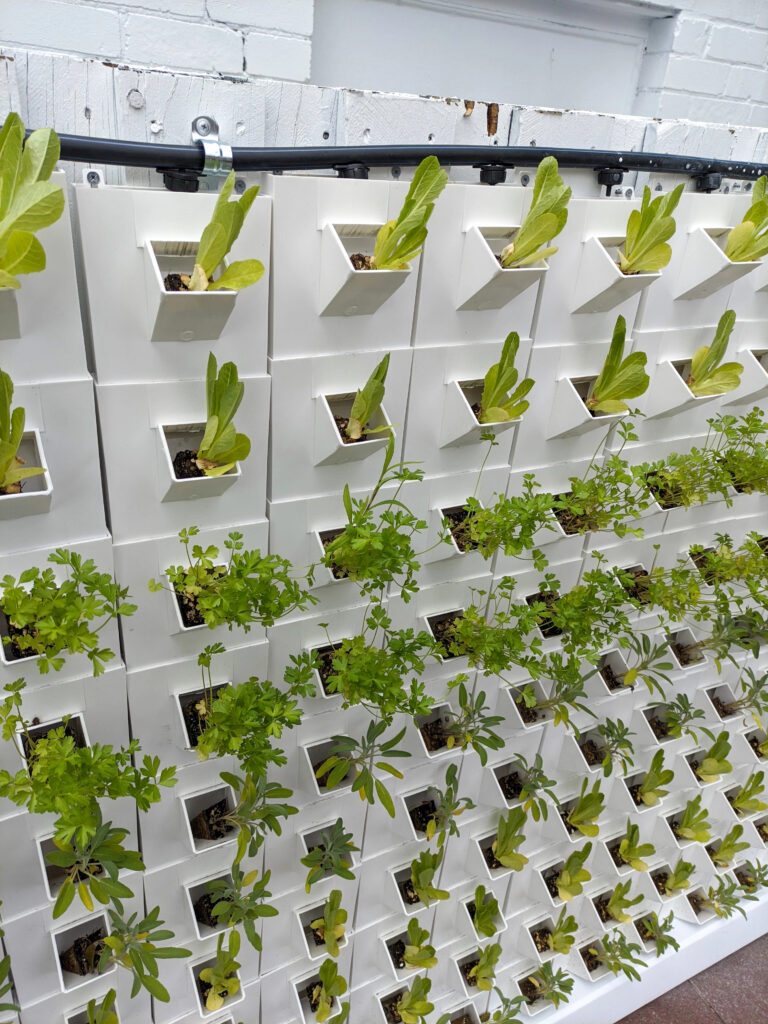
This is perhaps the most crucial strategy for small spaces. Instead of spreading out, build up.
- Trellises and Stakes: Grow vining plants like cucumbers, pole beans, peas, and even some smaller varieties of squash and melons up trellises. This saves ground space and can improve air circulation, reducing disease.
- Tiered Planters: Stacked planters allow you to grow multiple plants in a small footprint. They’re great for herbs, strawberries, or leafy greens.
- Pocket Planters/Vertical Gardens: Wall-mounted fabric planters or shelving units with pots can turn a blank wall into a productive garden. Ideal for greens, herbs, and small root vegetables.
2. Choose Compact and Bush Varieties
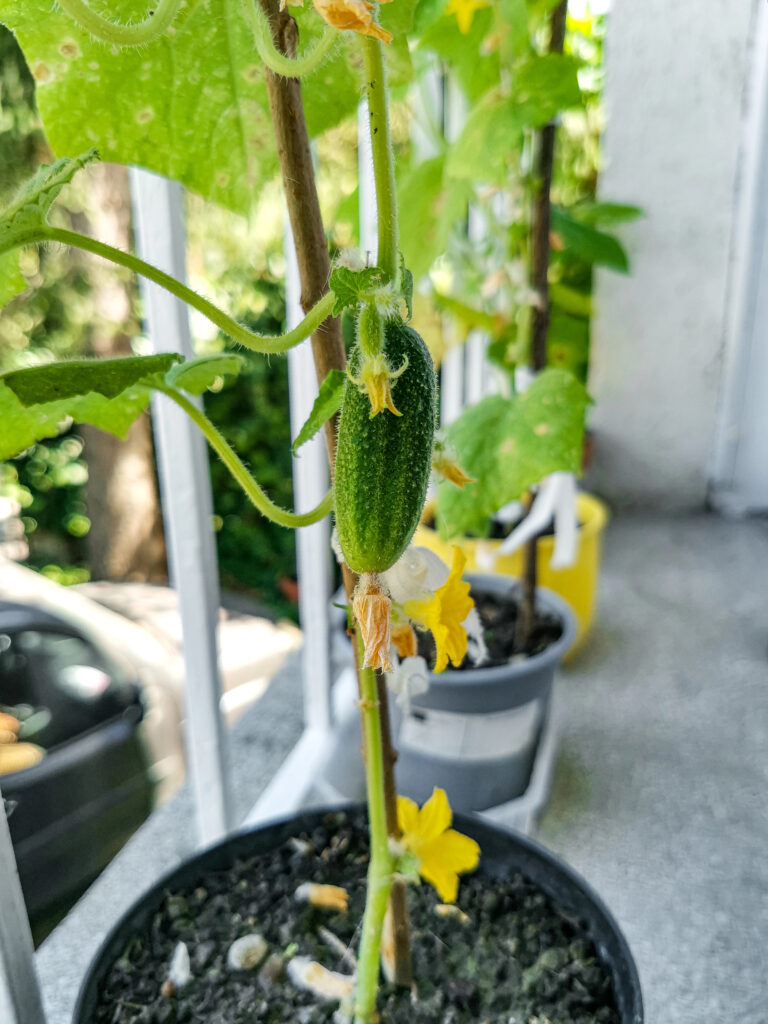
Many vegetables now come in “dwarf,” “bush,” or “patio” varieties specifically bred for smaller spaces.
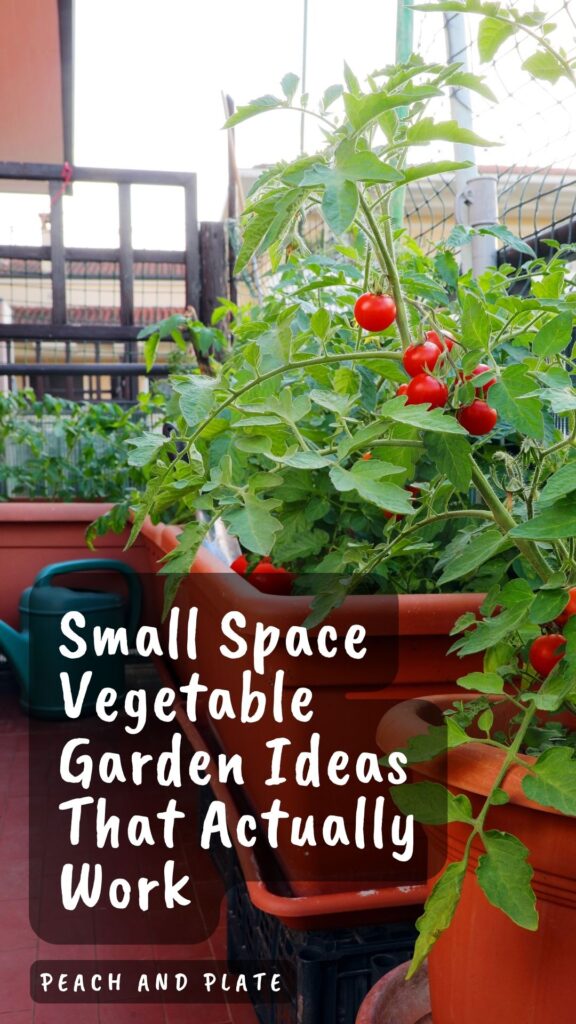
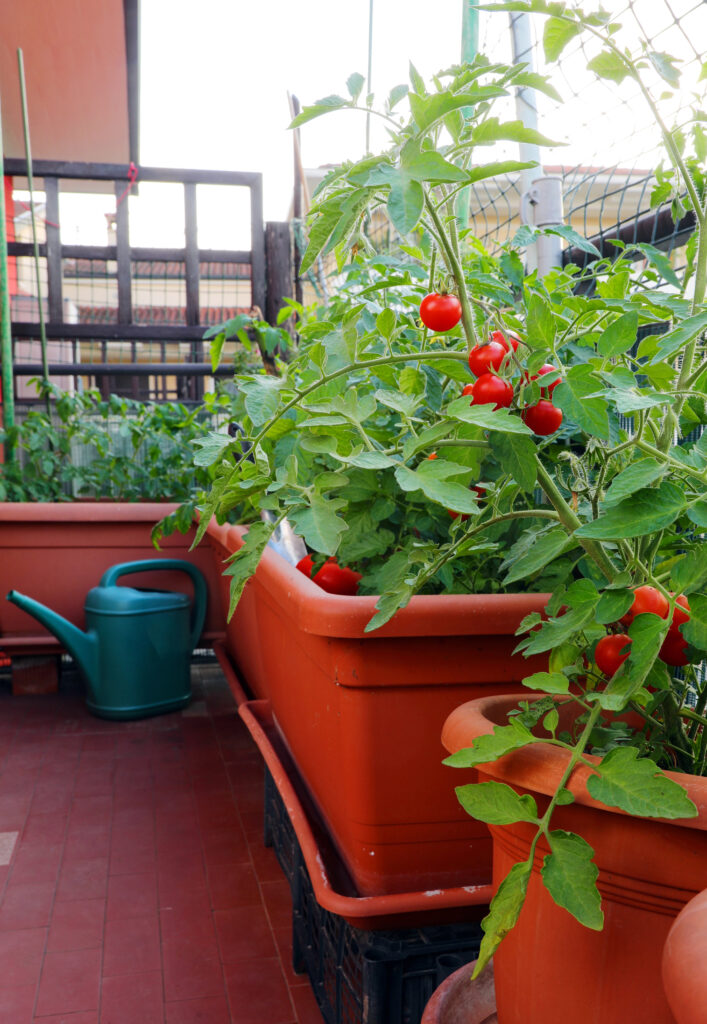
- Tomatoes: Look for “patio,” “bush,” or “determinate” varieties like ‘Celebrity,’ ‘Bush Goliath,’ or cherry tomatoes, which grow more compactly than vining types.
- Cucumbers: ‘Bush Pickle,’ ‘Spacemaster,’ or ‘Patio Snacker’ are good choices that don’t sprawl as much.
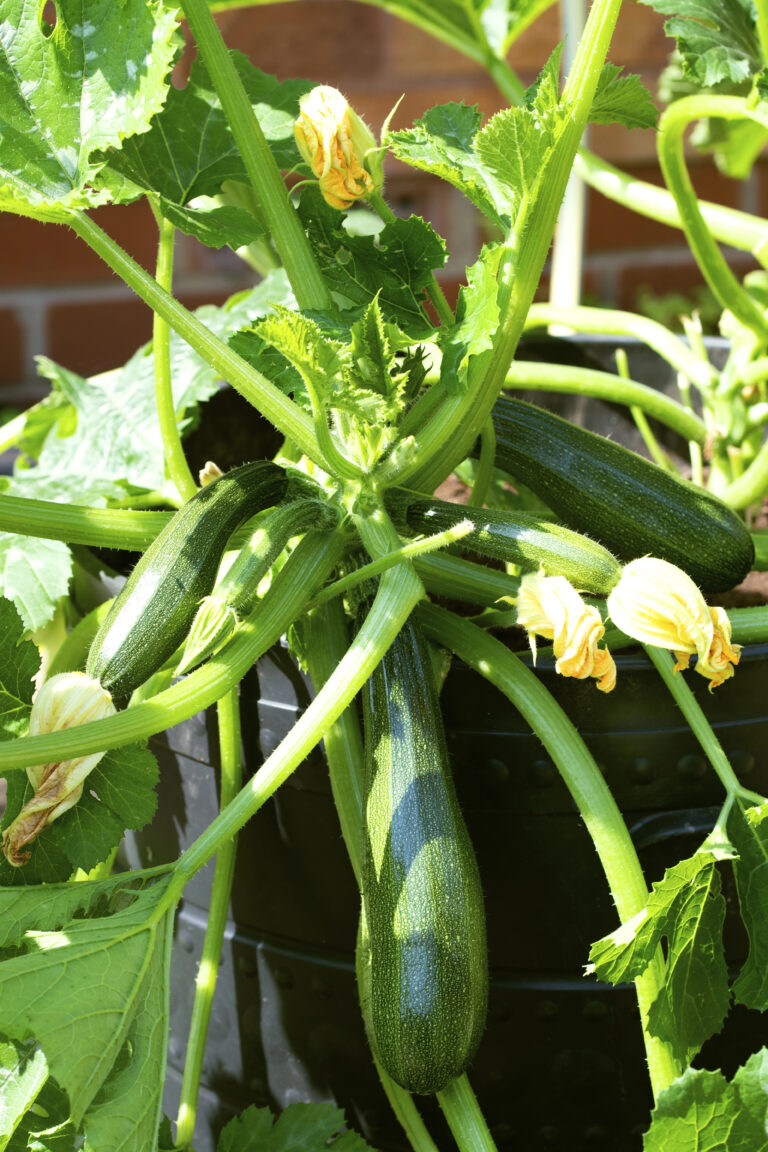
- Squash/Zucchini: Opt for bush varieties like ‘Bush Zucchini’ or ‘Bush Acorn Squash’ instead of their sprawling counterparts.
3. Embrace Container Gardening
Pots, grow bags, buckets – nearly anything can be a container. This offers flexibility, allowing you to move plants to optimize sunlight or protect them from weather.
- Size Matters: Ensure containers are large enough for the mature plant’s root system. A 5-gallon bucket is a good minimum for tomatoes, peppers, or eggplants.
- Drainage: All containers must have drainage holes to prevent waterlogging.
- Watering: Container plants dry out faster than in-ground plants, so check them daily, especially in hot weather.
4. Practice Succession Planting
Don’t let empty spots linger! As one crop finishes, plant another in its place.
- Quick Growers: Focus on fast-maturing crops like radishes, lettuce, spinach, and bush beans.
- Rotate Crops: Plant a different type of vegetable after the first harvest to help replenish soil nutrients. For example, follow a leafy green with a legume.
5. Prioritize High-Yield, Space-Efficient Crops
Some vegetables simply give you more bang for your buck in a small space.
- Leafy Greens: Lettuce, spinach, arugula, kale, and Swiss chard grow quickly and can often be harvested “cut-and-come-again.”
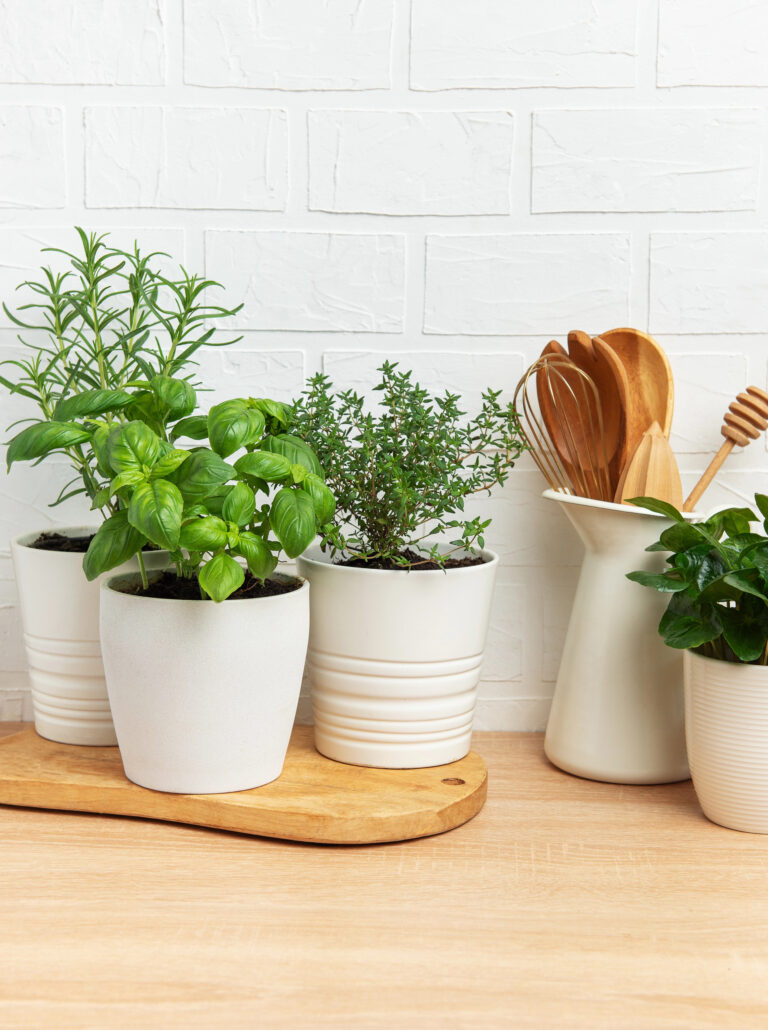
- Herbs: Mint, basil, parsley, cilantro, and chives are incredibly productive and can be grown in small pots.
- Radishes: Go from seed to harvest in as little as 3-4 weeks.
- Bush Beans & Peas: Provide good yields without taking up too much horizontal space, especially if trellised.
- Peppers & Eggplants: Produce multiple fruits per plant and grow relatively upright.
6. Consider Raised Beds with Square Foot Gardening
If you have a small patch of ground, a raised bed combined with the square foot gardening method is incredibly efficient.
- Maximize Space: Divide your bed into 1-foot by 1-foot squares and plant a specific number of plants per square (e.g., 1 tomato plant, 4 lettuce plants, 9 spinach plants, 16 radishes).
- Better Soil: You control the soil mix, ensuring it’s rich and well-draining, which helps plants thrive in close quarters.
7. Utilize Window Boxes and Railing Planters
Don’t overlook railings or window ledges. These spots are perfect for small, shallow-rooted vegetables and herbs.
- Good for: Lettuce, spinach, radishes, carrots (short varieties), chives, basil, and other herbs.
- Accessibility: Easy to reach for daily harvesting.
With a little creativity and smart plant choices, your small space can become a productive vegetable garden, providing you with fresh produce right outside your door.