Turn Your Garden into a Spice Empire: Best Spices to Grow and Sell from Home
There is always a demand for fresh, high-quality spices, and growing them yourself can be a rewarding business. Not only do homegrown spices offer superior flavor and freshness compared to store-bought, but they also represent a niche market for local sales. For those looking to turn their green thumb into green cash, choosing the right spices is key. You’ll want varieties that are relatively easy to cultivate, offer a good yield, and have strong market appeal.
This post may contain affiliate links and is not intended as medical advice. For more information please see our disclaimer.
Here are some of the best spices to consider growing at home and selling:
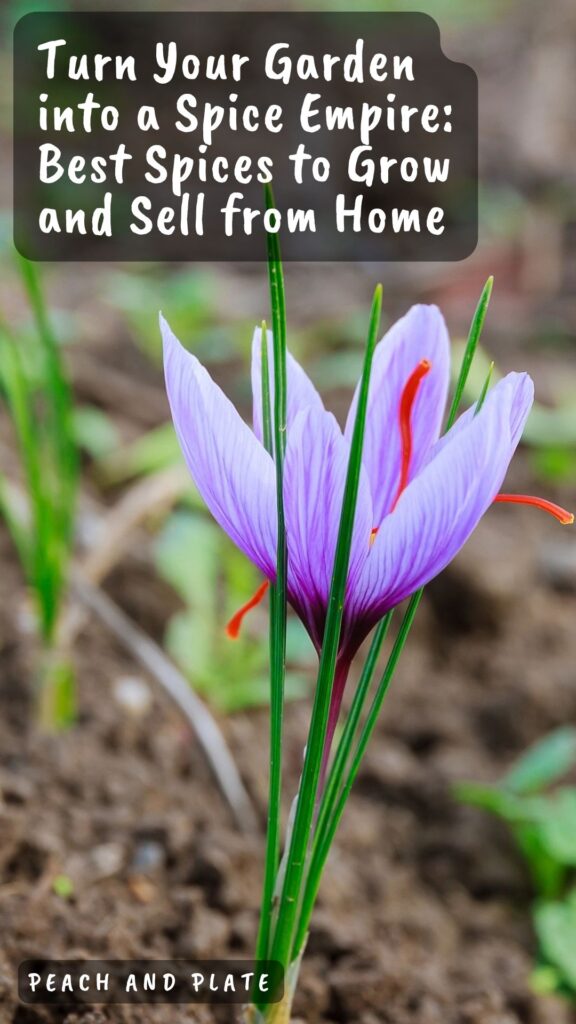
1. Saffron
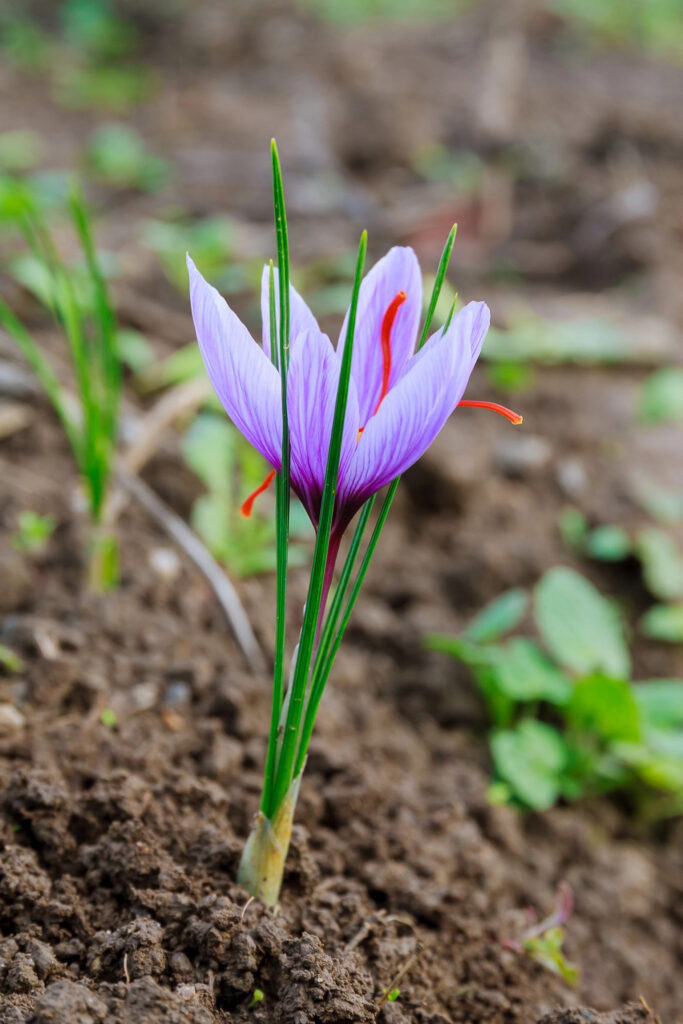
Often called “red gold,” saffron is the most expensive spice in the world by weight, and for good reason. It comes from the delicate stigmas of the saffron crocus flower (Crocus sativus).
- Why it’s good for selling: High market value due to labor-intensive harvesting. A small amount goes a long way for buyers.
- Growing tips: Grows from corms (bulbs) planted in late summer. Requires full sun and well-drained soil. Blooms in autumn, and the stigmas must be hand-picked immediately after the flowers open. It’s an annual harvest, but the corms multiply.
2. Turmeric
This vibrant yellow-orange rhizome (Curcuma longa) is a staple in many cuisines and highly valued for its health benefits.
- Why it’s good for selling: Popular in health food markets and for culinary use. It’s a relatively easy-to-grow root crop that offers a substantial yield per plant.
- Growing tips: Grows from rhizomes planted in spring. Prefers warm climates, partial shade, and rich, well-drained soil. Harvest in late fall/early winter once the leaves start to yellow and die back.
3. Ginger
Another rhizome (Zingiber officinale) widely used in cooking, baking, and traditional medicine.
- Why it’s good for selling: Consistent demand for fresh ginger. It’s a robust plant that can be grown in containers in cooler climates, making it adaptable for home growers.
- Growing tips: Plant pieces of fresh ginger rhizome with “eyes” (buds) in spring. Requires warm temperatures, partial shade, and moist, fertile soil. Harvest 8-10 months later when leaves begin to yellow.
4. Paprika/Chili Powder (from dried peppers)
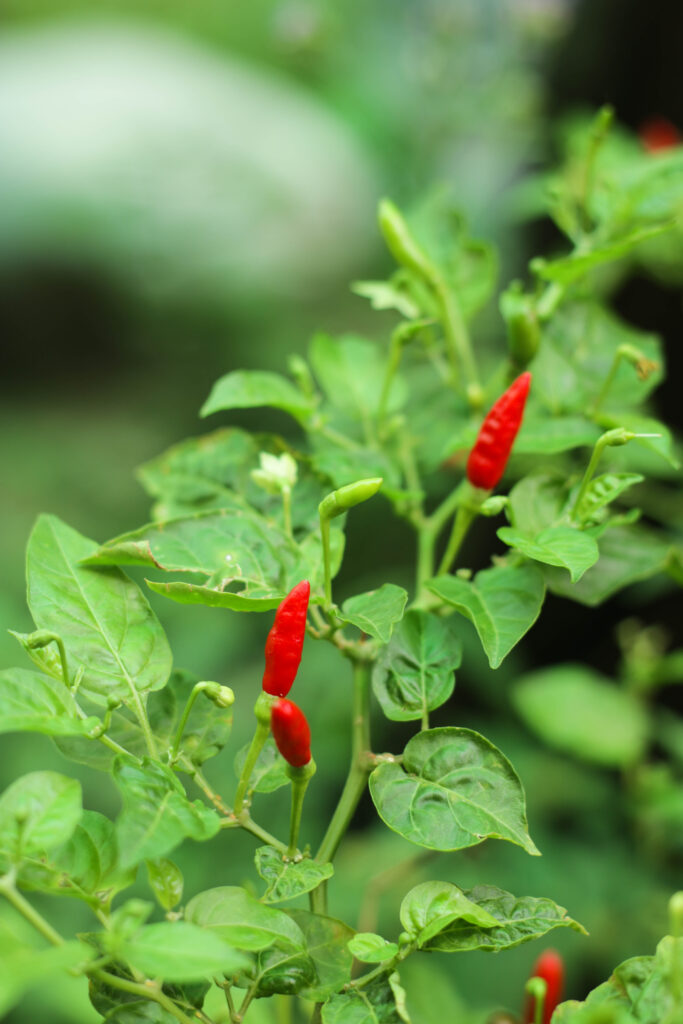
While not a single plant, the ingredients for these popular spice blends – various types of chili peppers (Capsicum annuum) – are excellent for growing and processing.
- Why it’s good for selling: High demand for dried peppers, flakes, and ground powders. Many varieties offer different heat levels and flavor profiles. Peppers are productive plants.
- Growing tips: Grow from seeds or starts in full sun after the last frost. Requires warm temperatures and consistent watering. Harvest when peppers are fully ripe and then dry them (air dry, dehydrator, or oven) before grinding into powder or flaking.
5. Coriander Seeds
Coriander (Coriandrum sativum) is a dual-purpose herb; its leaves are cilantro, and its dried seeds are coriander spice.
- Why it’s good for selling: Both fresh cilantro and dried coriander seeds are in constant demand. The seeds are easy to harvest and process.
- Growing tips: Plant seeds in spring. Prefers full sun and well-drained soil. Allow some plants to “bolt” (go to seed) for coriander production. Harvest seeds when they turn brown and dry on the plant.
6. Fennel Seeds
The seeds of the common fennel plant (Foeniculum vulgare) are a distinct spice with a sweet, anise-like flavor.
- Why it’s good for selling: A staple in some cuisines and for making spice blends. It’s an attractive plant that produces a good quantity of seeds.
- Growing tips: Plant seeds in spring or late summer. Prefers full sun and well-drained soil. Allow the plant to flower and produce seed heads. Harvest when seeds are mature, dry, and easily fall from the head.
7. Dill Seeds
Similar to coriander, dill (Anethum graveolens) is valued for both its feathery leaves (dill weed) and its aromatic seeds.
- Why it’s good for selling: Both forms are popular. Dill seeds have a unique flavor often used in pickling and baking. Easy to grow and seeds are simple to collect.
- Growing tips: Plant seeds in spring. Prefers full sun and well-drained soil. Allow plants to flower and produce large, flat seed heads. Harvest when the seeds have matured and turned light brown.
When planning to sell, remember to research local regulations, consider packaging, and focus on consistent quality to build a successful home-based spice business.