How to Grow Hibiscus at Home (Beginner Guide)
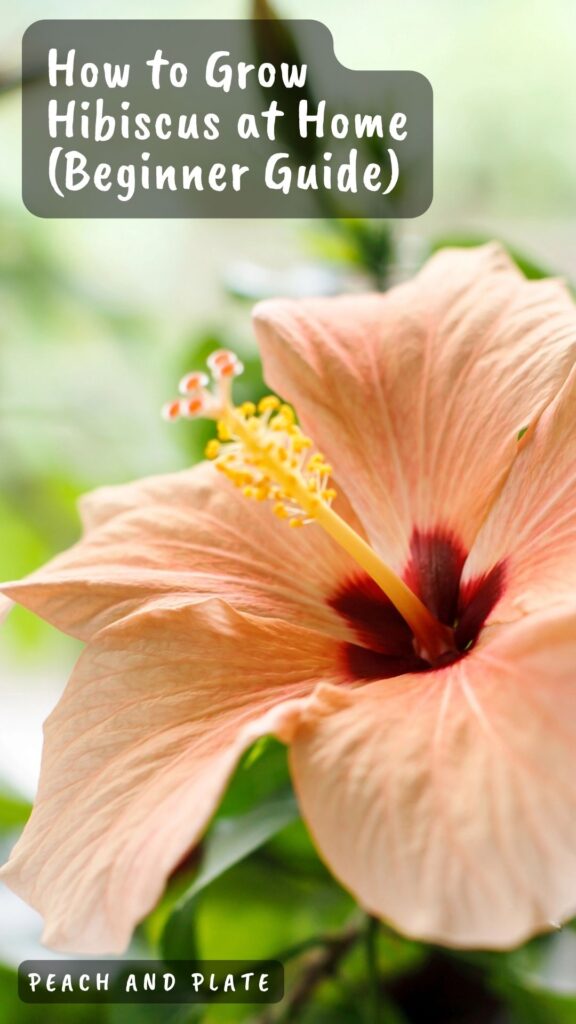
Hibiscus flowers are truly showstoppers, known for their large, vibrant, and exotic-looking blooms. Whether you’re dreaming of a tropical feel on your patio or a dramatic addition to your garden, growing hibiscus at home can be a rewarding experience. While they look exotic, many varieties are surprisingly easy to grow, making them suitable even for beginner gardeners.
This post may contain affiliate links and is not intended as medical advice. For more information please see our disclaimer.
This guide will walk you through the basics of successfully growing hibiscus.
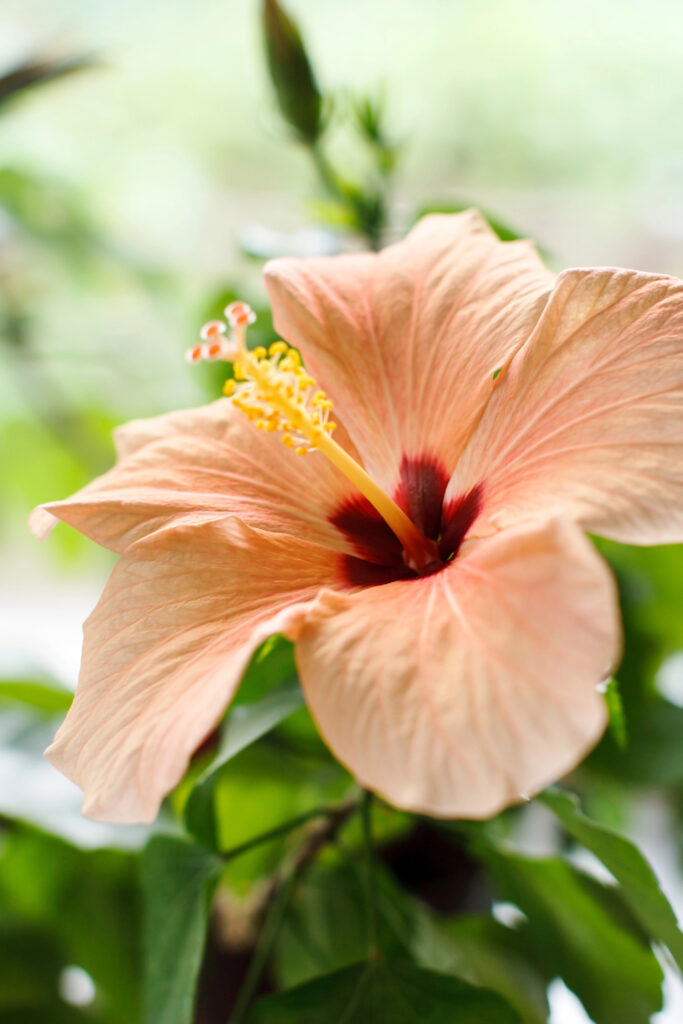
1. Choose Your Hibiscus Type
There are two main types of hibiscus commonly grown:
- Tropical Hibiscus (Hibiscus rosa-sinensis): These are the ones with the big, showy, brightly colored flowers. They are sensitive to cold and are typically grown as annuals outdoors, or as potted plants brought indoors during winter in most climates.
- Hardy Hibiscus (Hibiscus moscheutos or Hibiscus syriacus – Rose of Sharon): These are cold-tolerant perennials that can survive winter outdoors in many temperate zones. Their flowers are often large and vibrant, though perhaps not as dramatically ruffled as some tropical varieties. Rose of Sharon is a large shrub or small tree.
For beginners, a potted tropical hibiscus is often the easiest start, as you can control its environment by moving it indoors.
2. Sunlight: The Key to Blooms
Hibiscus are sun-loving plants. They need plenty of bright light to produce those magnificent flowers.
- Outdoor: Plant or place your hibiscus in a spot that receives at least 6 hours of direct sunlight per day. More sun generally means more blooms.
- Indoor: If growing indoors, place your potted hibiscus in your brightest window, preferably south or west-facing. Supplement with a grow light if natural light is insufficient.
3. Soil: Well-Draining is Essential
Hibiscus prefer rich, well-draining soil.
- Potted Plants: Use a good quality potting mix designed for flowering plants or tropical plants. A mix that retains some moisture but still drains well is ideal.
- In-Ground: If planting hardy hibiscus in your garden, amend your soil with compost to improve fertility and drainage. Heavy clay soil can lead to root rot.
4. Watering: Consistent Moisture, But Not Soggy
Hibiscus are thirsty plants, especially when actively growing and blooming.
- During Growing Season (Spring to Fall): Water thoroughly when the top inch or two of soil feels dry to the touch. Ensure water drains out of the bottom of potted plants. Don’t let them sit in standing water.
- Indoor/Winter: Reduce watering in winter when growth slows. Allow the soil to dry out more between waterings.
- Signs of Thirst: Wilting leaves can indicate a need for water, but also sometimes overwatering. Check the soil moisture before watering.
5. Fertilizing: Fuel for Flowers
Hibiscus are heavy feeders and benefit from regular fertilization.
- During Growing Season: Use a balanced fertilizer or one higher in potassium (the third number in the NPK ratio) to encourage blooms. Avoid fertilizers too high in phosphorus, which can be detrimental to hibiscus. Follow the package directions, typically fertilizing every 2-4 weeks.
- Winter: Stop fertilizing when the plant is dormant or growth has slowed indoors.
6. Pruning: For Shape and More Blooms
Pruning encourages bushier growth and more flowers.
- Tropical Hibiscus: Lightly prune throughout the growing season to maintain shape and encourage branching. A more significant prune can be done in late winter or early spring before new growth begins, especially if bringing indoors.
- Hardy Hibiscus: Prune in late winter or early spring. They bloom on new wood, so cutting them back encourages more blooms.
7. Pests and Problems
Keep an eye out for common pests like aphids, whiteflies, and spider mites.
- Inspection: Regularly inspect the undersides of leaves.
- Treatment: A strong spray of water can dislodge many pests. For more persistent infestations, use insecticidal soap, following product instructions carefully.
8. Winter Care (for Tropical Hibiscus)
If you’re growing tropical hibiscus in a pot, you’ll need to bring it indoors before the first frost.
- Before Moving Indoors: Inspect thoroughly for pests and treat if necessary. Give it a good prune.
- Indoor Spot: Place in a bright window. Reduce watering and stop fertilizing. Don’t be alarmed if some leaves drop – this is common as they adjust to indoor conditions.
By providing plenty of sun, consistent water, and regular feeding, you’ll be well on your way to enjoying the spectacular beauty of hibiscus right in your own home.