Beginner Homestead Garden Layout Ideas: Getting Started with Self-Sufficiency
Starting a homestead garden can feel like a big step towards self-sufficiency, but the idea of laying it all out can seem daunting. The good news is, you don’t need a sprawling farm or complex designs to begin. For beginners, the best approach is to keep it simple, functional, and scalable. A well thought out layout from the start can save you a lot of effort and lead to more success.
This post may contain affiliate links. For more information, please see our disclaimer.
Here are some beginner friendly homestead garden layout ideas that focus on practicality and ease of management:
1. The Simple Row Garden
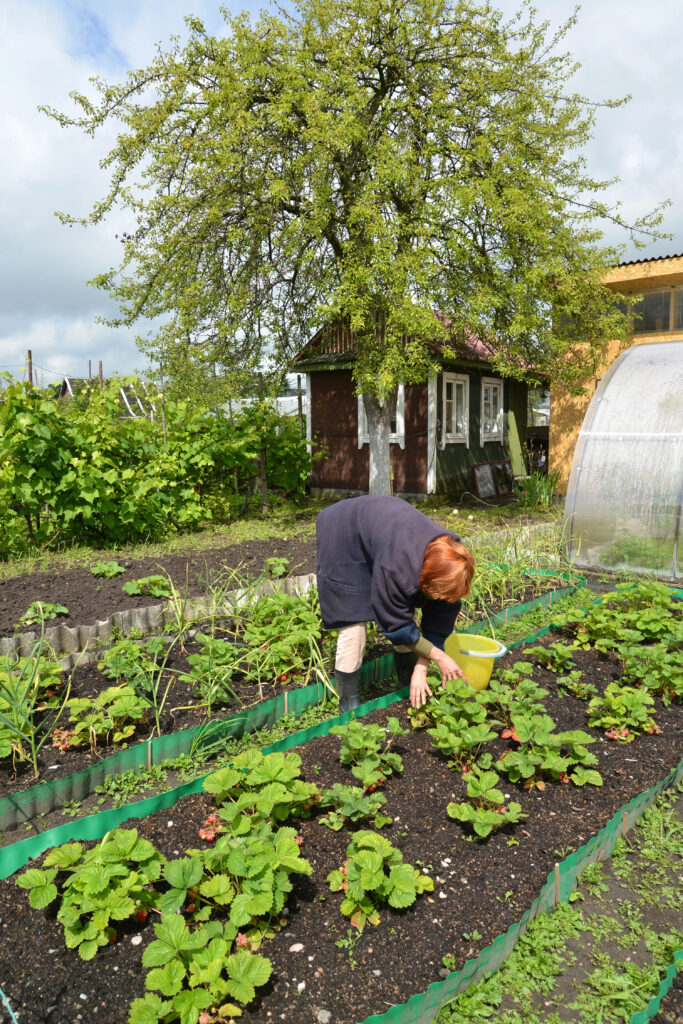
This is the most traditional and straightforward layout, perfect for beginners. It involves planting vegetables in long, straight rows with pathways between them.
- Why it’s good for beginners: It’s easy to plan, plant, and manage. Watering is simple, and harvesting is clear-cut. You can easily expand by adding more rows as you gain experience.
- Key Considerations: Ensure rows run north to south to maximize sun exposure for all plants. Leave enough space between rows for walking, weeding, and future growth of plants.
2. Raised Beds
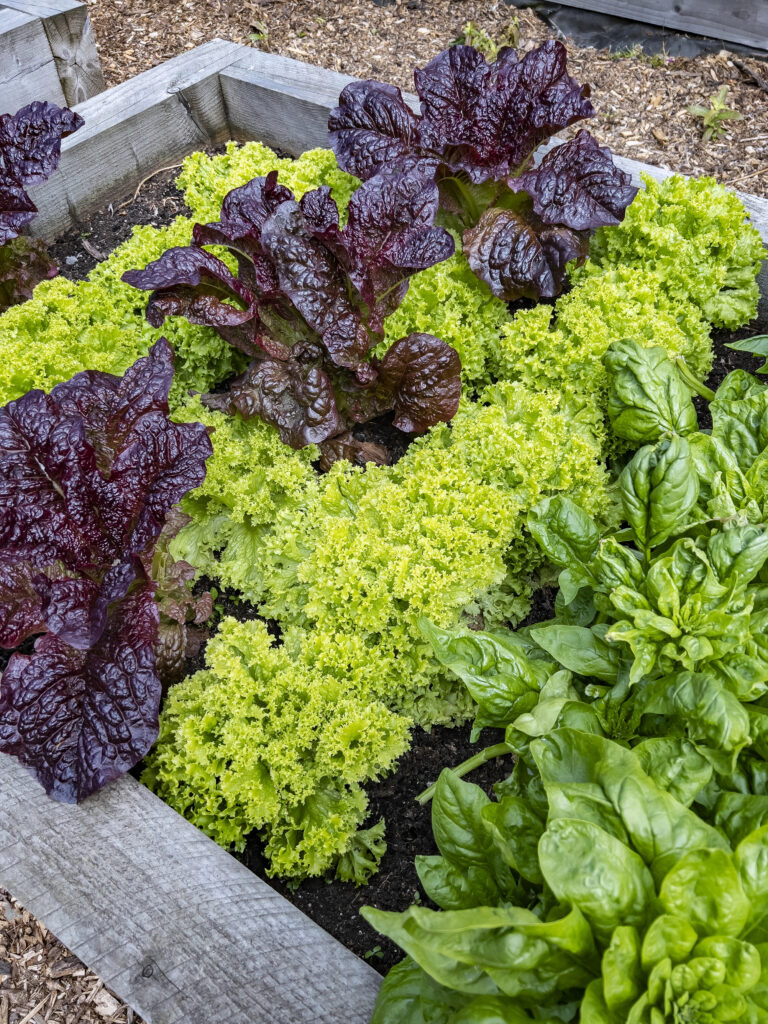
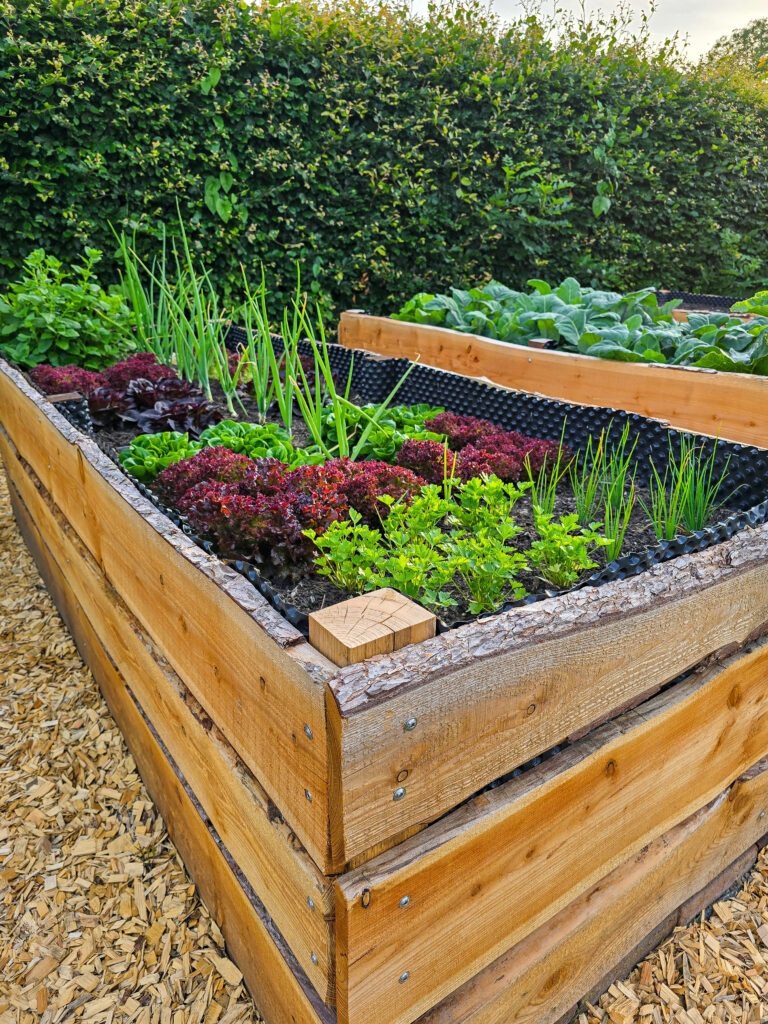
Raised beds are essentially contained garden plots built above ground level, typically with wooden, stone, or metal sides.
- Why it’s good for beginners: They offer excellent drainage, which many vegetables prefer. You have better control over soil quality, as you can fill them with custom soil mixes. They warm up faster in spring, extending your growing season, and often reduce weeding and bending.
- Key Considerations: Start with a few beds (e.g., 4×8 feet is a common size) and leave paths wide enough for a wheelbarrow. Think about accessibility and how many beds you can realistically maintain.
3. Square Foot Gardening
This method involves dividing a raised bed (or an in-ground plot) into a grid of one-foot by one-foot squares. Each square is then planted with a specific number of plants based on their size.
- Why it’s good for beginners: It’s incredibly efficient for small spaces and maximizes yield. It reduces waste of seeds and water and makes planning very visual and easy. You can plant a wide variety of crops in a small area.
- Key Considerations: This works best with well-prepared, loose soil. Careful planning of what goes in each square is important to avoid overcrowding.
4. Permaculture-Inspired Zone System (Simplified)
A full permaculture design can be complex, but beginners can adopt a simplified zone system. This involves placing plants based on how often you interact with them.
- Why it’s good for beginners: It ensures your most-used herbs and vegetables are close at hand, reducing daily trips. Less-frequently accessed crops or larger plants can be further away.
- Key Considerations:
- Zone 1 (Closest to Home): Herbs, salad greens, frequently picked vegetables.
- Zone 2 (A Little Further): Bush beans, peppers, tomatoes, squash – plants needing regular attention but not daily.
- Zone 3 (Farthest): Corn, potatoes, fruit trees, or larger perennial crops that need less frequent visits.
5. Edible Landscaping
Integrate your food-producing plants directly into your existing ornamental landscaping.
- Why it’s good for beginners: It allows you to start small by swapping out some flowers for edibles. This method can also make your garden look beautiful while being productive.
- Key Considerations: Choose edibles that are also visually appealing, such as colorful Swiss chard, bush beans, or flowering herbs like borage. Ensure the location provides adequate sunlight for the chosen food crops.
6. Container Gardening (for Small Spaces or Patios)
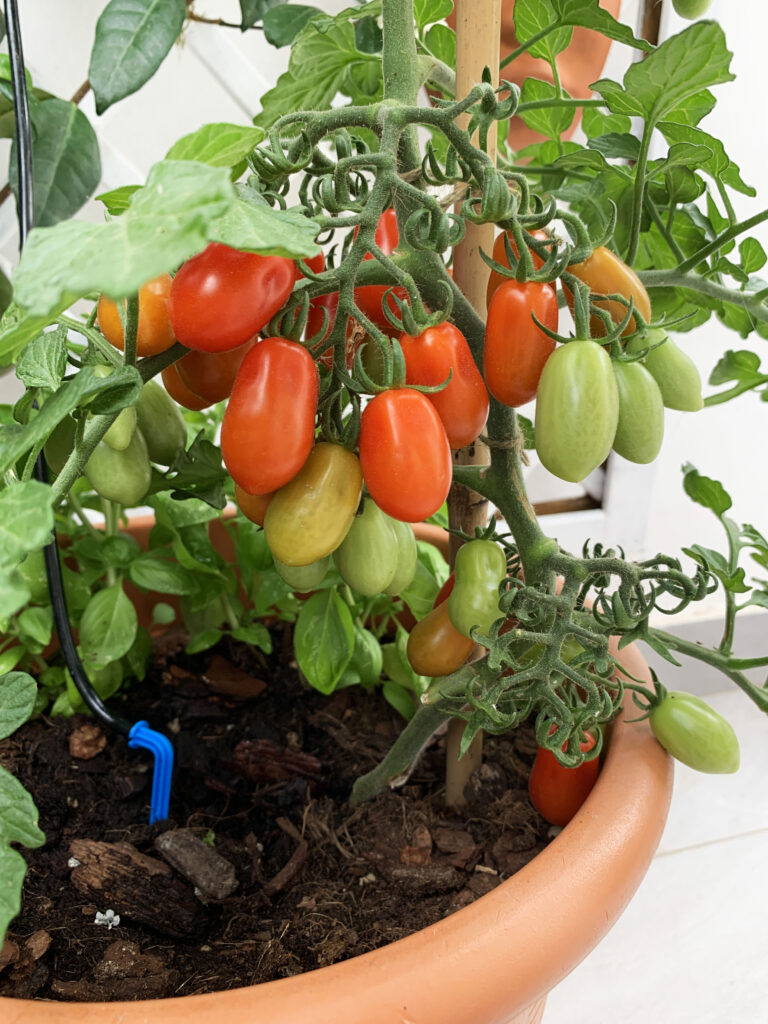
If you have very limited ground space, containers are your friend. You can grow a surprising amount of food in pots, grow bags, or even repurposed items.
- Why it’s good for beginners: It’s highly flexible and allows you to move plants to optimize sunlight or protect from weather. It’s also great for urban homesteaders or those with poor soil.
- Key Considerations: Choose appropriately sized containers for the plants. Ensure good drainage, and be aware that container plants often need more frequent watering and feeding than in-ground plants.
7. The Keyhole Garden
A keyhole garden is a raised bed with a cut-out section on one side, allowing easy access to the center. The center typically houses a composting basket, which feeds nutrients directly to the surrounding plants.
- Why it’s good for beginners: It’s efficient for watering and fertilizing (the compost acts as a self-feeding system). The circular shape is space-saving, and the easy access point means less bending and stretching.
- Key Considerations: Best suited for growing a variety of smaller, frequently harvested crops around the compost core. It’s a great choice for areas with poor soil or water scarcity.
No matter which layout you choose, remember that the most important step is to just get started. Begin with a few plants you love, observe how they grow, and adapt your garden as you learn. Your homestead garden will evolve with you.