Best Vegetables To Grow In Containers: A Practical Guide For Small Spaces
You don’t need a big backyard to enjoy homegrown vegetables. With the right containers and a bit of planning, you can harvest crisp greens, juicy tomatoes, and crunchy peppers from a balcony, patio, or even a sunny doorstep.
This post may contain affiliate links. For more information, please see our disclaimer.
Container gardening is ideal for renters, small-space dwellers, and anyone who wants low-maintenance, high-reward harvests. The key is choosing vegetables that thrive in pots and giving them what they need to produce well.
Below, you’ll find the best vegetables to grow in containers, plus simple tips to help you get started today.
Leafy Greens: Fast, Forgiving, And Productive
Leafy greens are some of the easiest and most rewarding vegetables for containers. They grow quickly, tolerate partial shade, and don’t need deep soil.
- Great choices: lettuce, spinach, arugula, kale, Swiss chard, Asian greens (bok choy, mizuna)
- Container size: at least 6–8 inches deep, wider is better for more plants
- Ideal conditions: cool weather, consistent moisture, and good drainage
- Harvest style: cut outer leaves and let the center regrow for continuous harvests
Use a high-quality potting mix and avoid garden soil, which compacts easily in pots. Water regularly so the soil stays evenly moist but not soggy, and add a light, balanced liquid fertilizer every 2–3 weeks.
Action tip: Start with a wide, shallow container of mixed salad greens so you can harvest your own salad bowl within 3–4 weeks.
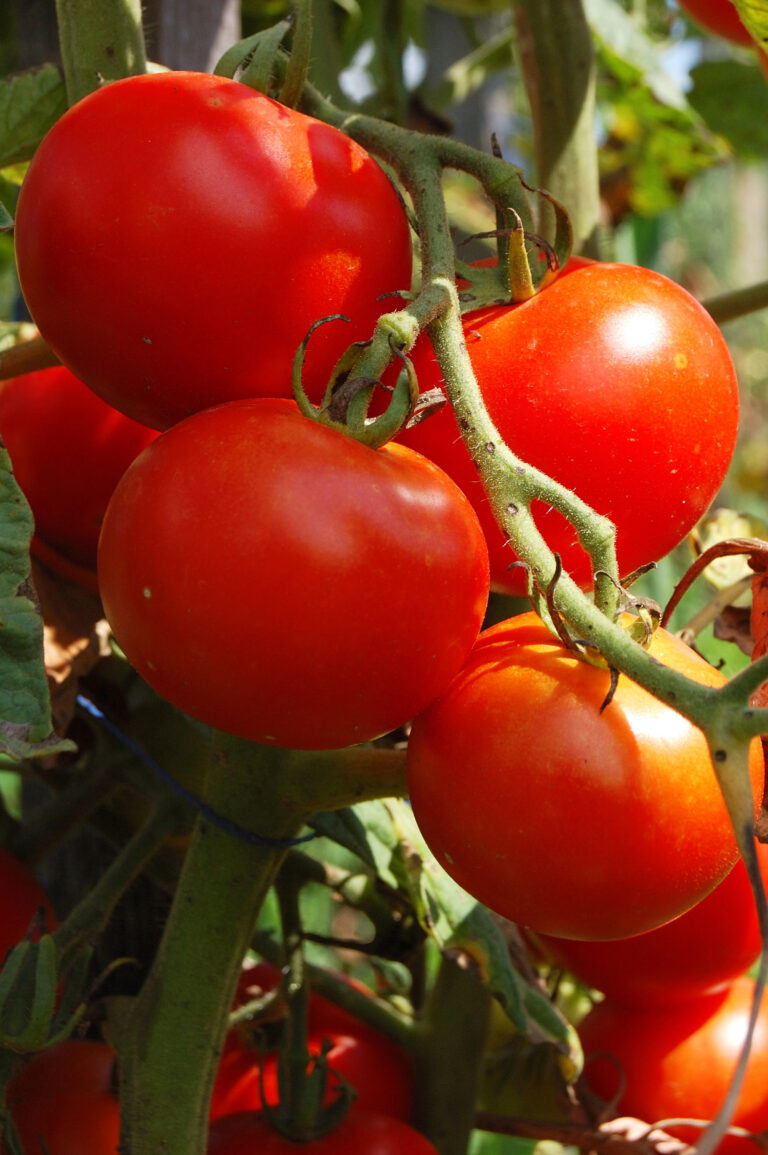
Tomatoes, Peppers, And Eggplants: Compact Power Producers
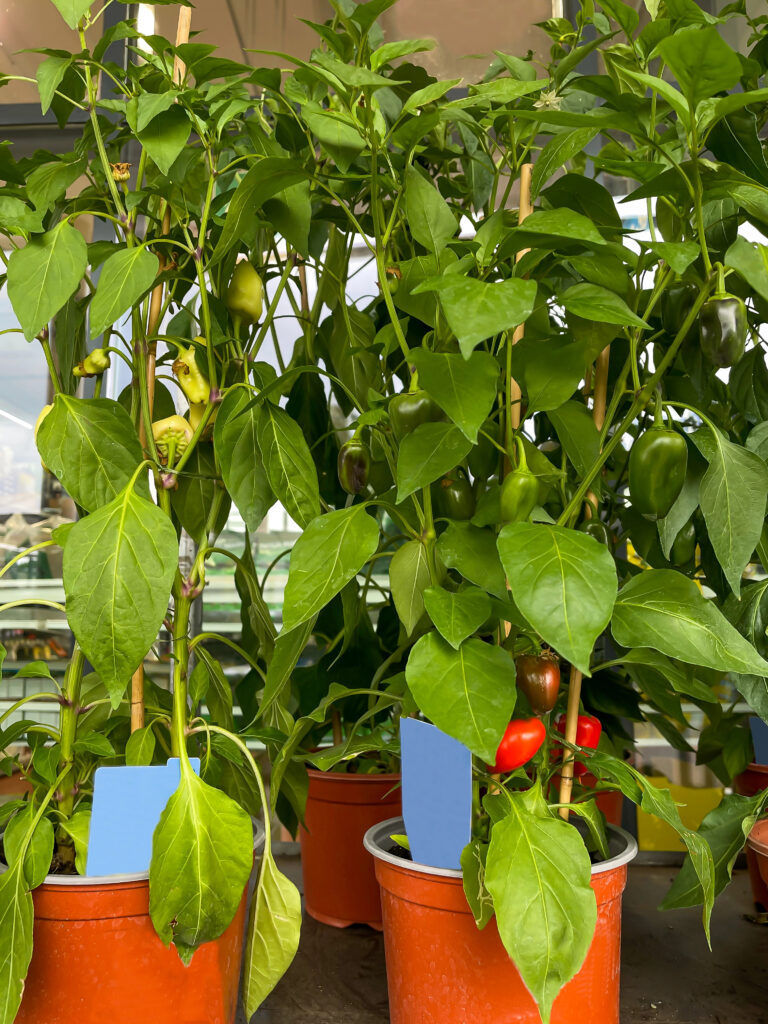
Warm-season crops like tomatoes, peppers, and eggplants can thrive in containers if you choose compact or dwarf varieties and give them enough root space.
- Best types: patio or dwarf tomatoes, cherry tomatoes, mini bell peppers, jalapeños, compact eggplants
- Container size: 5-gallon bucket or larger per plant (about 12 inches wide and deep)
- Support: stakes, cages, or trellises to keep plants upright
- Sun needs: at least 6–8 hours of direct sunlight per day
Use a rich potting mix and add slow-release fertilizer at planting. Water deeply whenever the top inch of soil feels dry, and avoid letting containers dry out completely, which can cause blossom drop and cracked fruit.
Action tip: Plant a single dwarf tomato in a 5-gallon container with a small cage, and place it in the sunniest spot you have for maximum harvest.
Root Vegetables: Compact Carrots, Radishes, And Beets
Many root vegetables do surprisingly well in containers, as long as they have enough depth and loose soil to grow straight and tender.
- Best choices: radishes, baby or round carrots, beets, green onions, turnips
- Container size: at least 8–12 inches deep for most roots
- Soil needs: loose, stone-free potting mix so roots can expand easily
- Sowing method: direct seed into the container instead of transplanting
Thin seedlings to give each root space to size up, and keep the soil consistently moist to avoid woody or split roots. Radishes and baby carrots mature quickly, making them perfect for impatient gardeners.
Action tip: Fill a deep window box with potting mix and sow a mix of radishes and baby carrots for staggered, steady harvests.
Bush Beans, Peas, And Compact Vining Crops
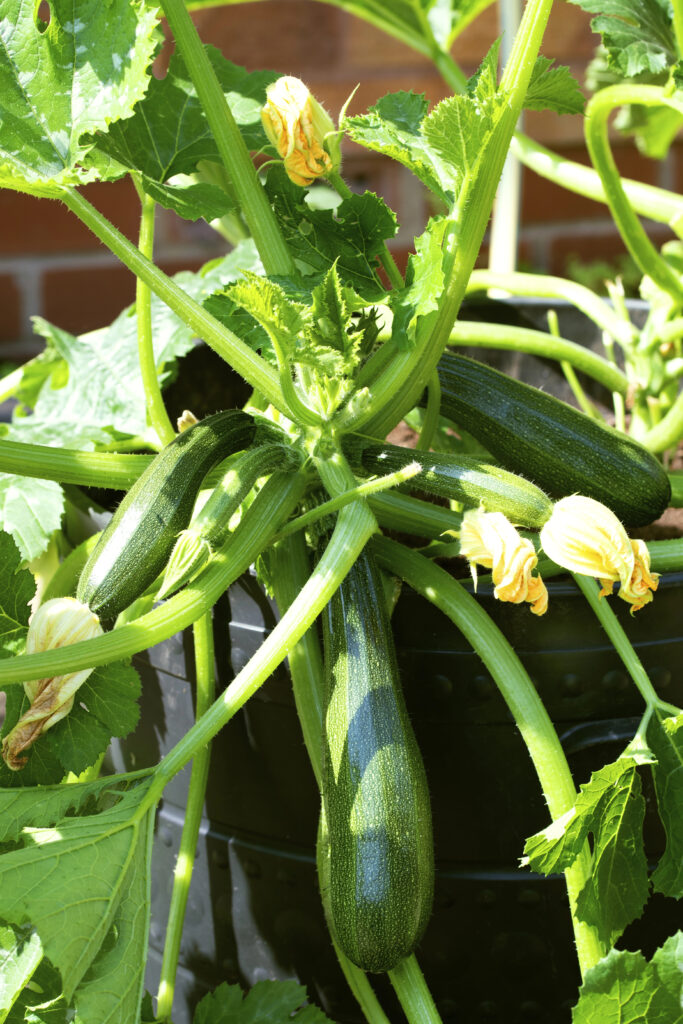
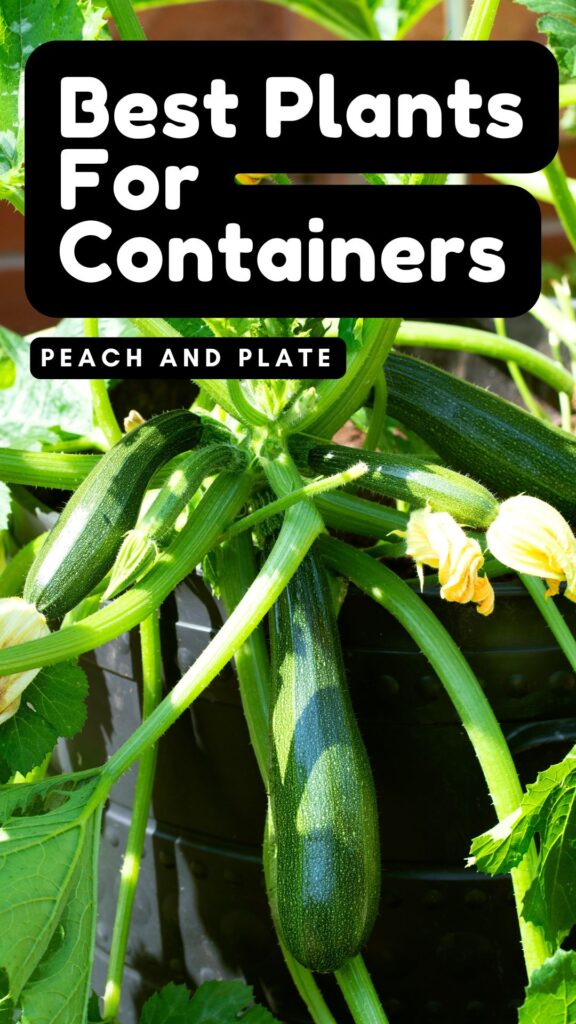
Beans, peas, and even some cucumbers and zucchinis can produce heavily in containers when you choose bush or compact varieties and provide vertical support.
- Best choices: bush beans, dwarf peas, patio cucumbers, compact zucchinis
- Container size: 10–12 inches deep and wide, or larger for multiple plants
- Support options: small trellis, bamboo teepee, or railing for peas and cucumbers
- Sun needs: at least 6 hours of direct sunlight daily
Beans and peas fix some of their own nitrogen, so avoid over-fertilizing with high-nitrogen products, which can cause leafy growth but fewer pods. Harvest regularly to encourage more production.
Action tip: Plant bush beans in a medium pot and add a small trellis behind peas or cucumbers in another container to create a vertical, edible screen.
Herbs And Companion Plants To Boost Your Harvest
While not vegetables, herbs make excellent container companions and help you get more flavor and pest control from a small space.
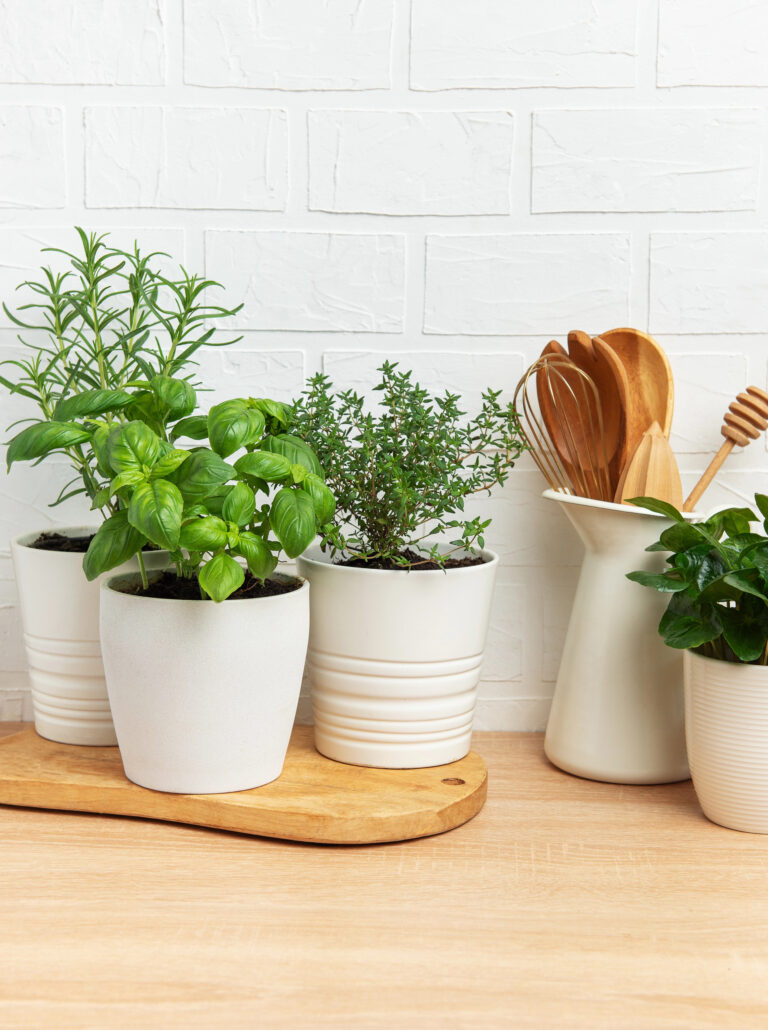
- Great herb choices: basil, parsley, cilantro, chives, thyme, oregano, mint (in its own pot)
- Benefits: attract pollinators, deter pests, and add fresh flavor to your harvests
- Placement: near tomatoes, peppers, and greens for easy harvesting
- Care: pinch or cut regularly to keep plants compact and productive
Mixing herbs with vegetables can create attractive, multi-purpose containers. Just be sure water and sun needs are similar for everything sharing a pot.
Action tip: Create a “pizza pot” with a dwarf tomato, basil, and oregano in a large container for an all-in-one, themed harvest.
Conclusion
Container gardening makes it possible to grow fresh, healthy vegetables in almost any space, from balcony railings to sunny front steps. By choosing varieties that suit pots—like leafy greens, compact tomatoes and peppers, root vegetables, and bush beans—you can enjoy impressive harvests with minimal ground space.
Start with a few containers, a quality potting mix, and the vegetables that match your light conditions. With consistent watering and simple care, you’ll be harvesting your own homegrown produce in just a few weeks.