Smart Growing: The Best Edible Plants to Grow Together for Natural Pest Control (Companion Planting!)
Every gardener dreams of a bountiful harvest, but pests can quickly turn that dream into a nightmare. Chemical sprays are one solution, but many home growers prefer a more natural approach. That’s where companion planting comes in! This age-old technique involves placing specific plants next to each other to create a mutually beneficial relationship – often by deterring pests without any sprays.
This post may contain affiliate links. For more information, please see our disclaimer.
It’s like building a helpful neighborhood in your garden, where each plant plays a role in protecting its buddies. Here are some of the best edible plants to grow next to each other to keep those pesky invaders at bay:
1. Tomatoes & Basil
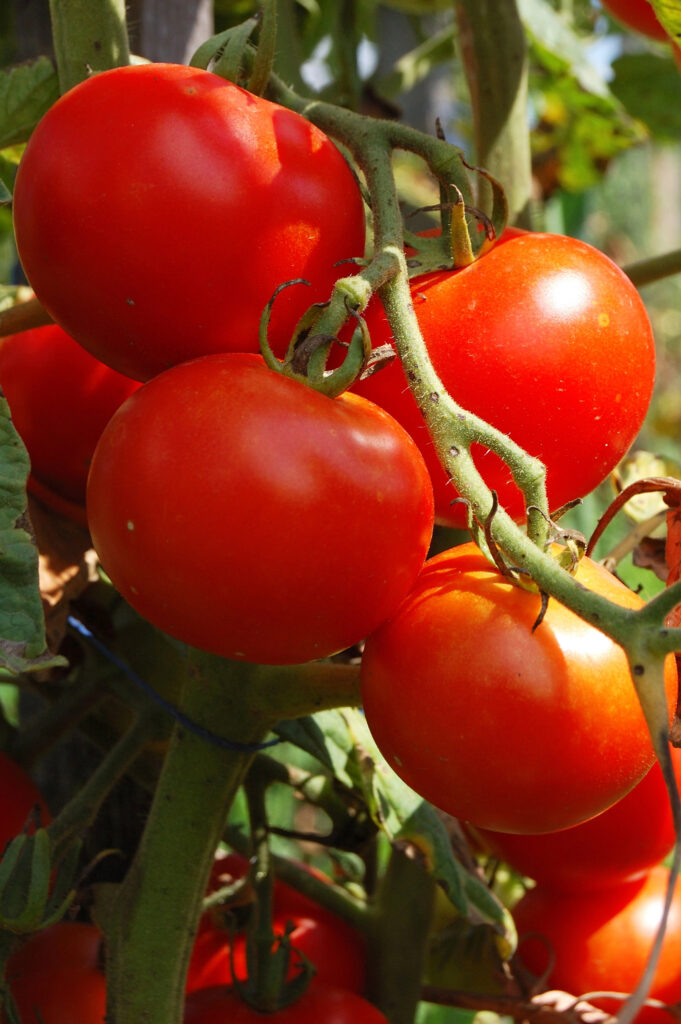
This is perhaps one of the most classic and effective companion planting pairs, both in the garden and in the kitchen.
- The Benefit: Basil is thought to deter tomato hornworms and flies, while some gardeners also claim it improves the flavor of tomatoes.
- Grow Together: Plant basil around the base of your tomato plants.
2. Carrots & Rosemary
Protect your carrots from those tiny, destructive carrot rust flies with the aromatic power of rosemary.
- The Benefit: The strong scent of rosemary can confuse and repel carrot rust flies, which are attracted to the scent of carrots.
- Grow Together: Plant rosemary bushes nearby or intersperse smaller rosemary plants along your carrot rows.
3. Cabbage Family (Broccoli, Kale, Cabbage) & Mint
Members of the cabbage family are often plagued by cabbage moths and flea beetles. Mint can be a helpful guardian.
- The Benefit: Mint’s strong aroma can mask the scent of brassicas, confusing pests like the cabbage moth.
- Grow Together: Plant mint in pots around your cabbage family plants (mint can be invasive if planted directly in the ground). Other good brassica companions include dill and chamomile, which attract beneficial insects.
4. Corn & Squash & Beans (The “Three Sisters”)
This traditional Native American companion planting technique is a powerhouse of pest deterrence and mutual support.
- The Benefit: Corn provides a stalk for beans to climb, keeping them off the ground. Squash leaves shade the soil, suppressing weeds and retaining moisture, while also deterring pests with their prickly leaves. Beans, as legumes, fix nitrogen in the soil, benefiting the corn and squash.
- Grow Together: Plant corn first, then beans once the corn is a few inches tall. Plant squash around the base of the corn, leaving space for it to spread.
5. Cucumbers & Nasturtiums
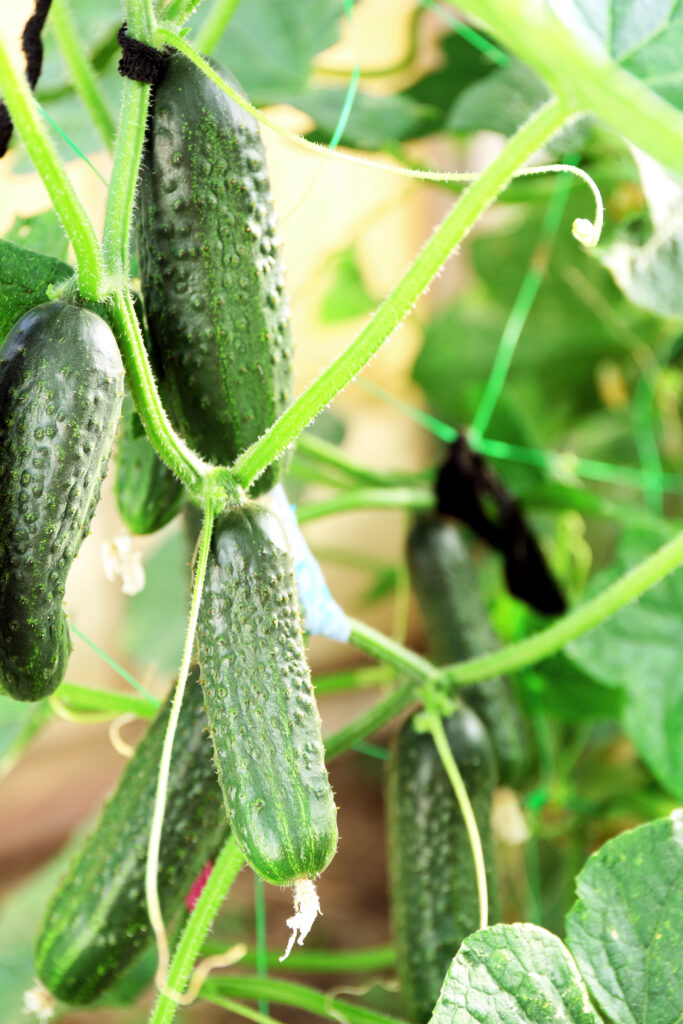
Nasturtiums are not only beautiful with their vibrant flowers and lily pad-like leaves, but they’re also a secret weapon against cucumber pests.
- The Benefit: Nasturtiums act as a “trap crop,” attracting aphids away from your cucumbers and other vegetables. You can then easily remove the nasturtiums (and the aphids) or let them do their job. Their flowers and leaves are also edible!
- Grow Together: Plant nasturtiums around your cucumber plants or other susceptible crops.
6. Potatoes & Marigolds (French Marigolds)
Marigolds are famous for their pest-repelling abilities, especially certain types of nematodes that attack root crops.
- The Benefit: French marigolds (Tagetes patula) release compounds from their roots that deter harmful nematodes in the soil, which can damage potato crops.
- Grow Together: Plant French marigolds throughout your potato patch and other root vegetable beds.
7. Peppers & Radishes
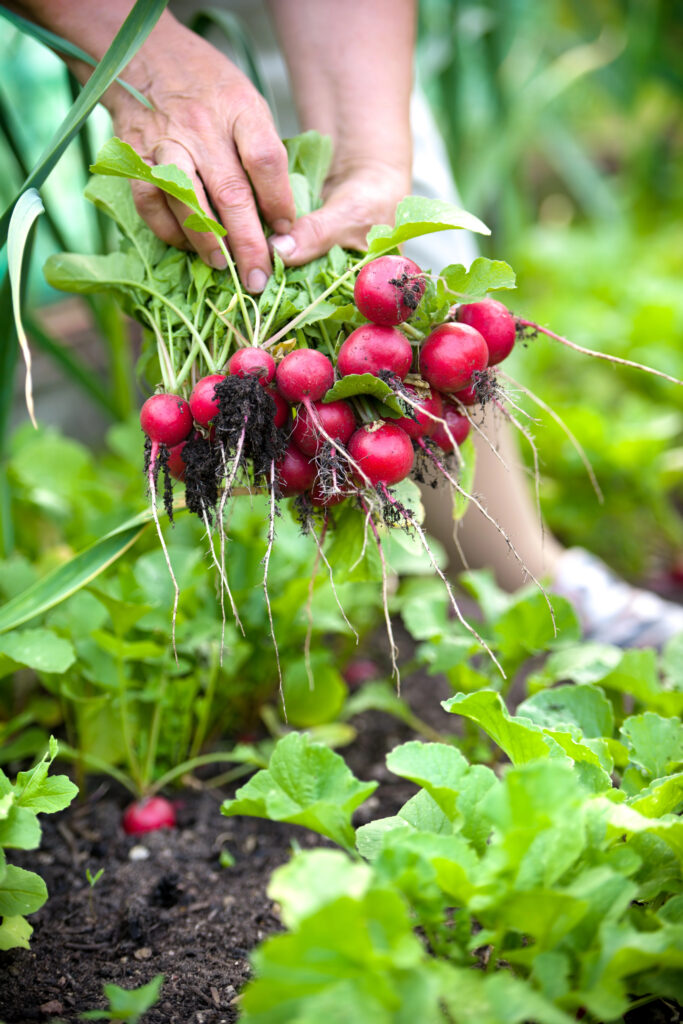
This unexpected pairing can help keep a common pepper pest at bay.
- The Benefit: Radishes are believed to help deter flea beetles, which can chew small holes in pepper leaves. They’re also a quick-growing crop that you can harvest before peppers really take off.
- Grow Together: Plant radishes in rows or scattered around your pepper plants.
General Tips for Companion Planting Success:
- Observe: Pay attention to what works in your garden. Every microclimate is different.
- Diversity: A diverse garden with many different plant types is generally healthier and more resilient to pests.
- Aromatics are Key: Many pest-repelling plants work by releasing strong scents that confuse or deter insects.
- Attract Beneficals: Some companions attract beneficial insects (like ladybugs or lacewings) that prey on pests.
By strategically arranging your edible plants with companion planting in mind, you can create a more resilient, healthier garden that relies less on interventions and more on nature’s own wisdom. Happy growing!