Herb Garden Ideas Outdoor: Cultivating Flavor and Fragrance in Your Yard
An outdoor herb garden can be easy to set up in any home. It offers a convenient source of fresh flavors for your cooking, provides delightful fragrances that can transform your yard, and often attracts beneficial pollinators. Whether you have a sprawling backyard or a modest patio, there are countless ways to incorporate herbs into your outdoor space, blending practicality with beauty.
This post may contain affiliate links. For more information, please see our disclaimer.
Here are some inspiring outdoor herb garden ideas to help you cultivate your own aromatic haven:
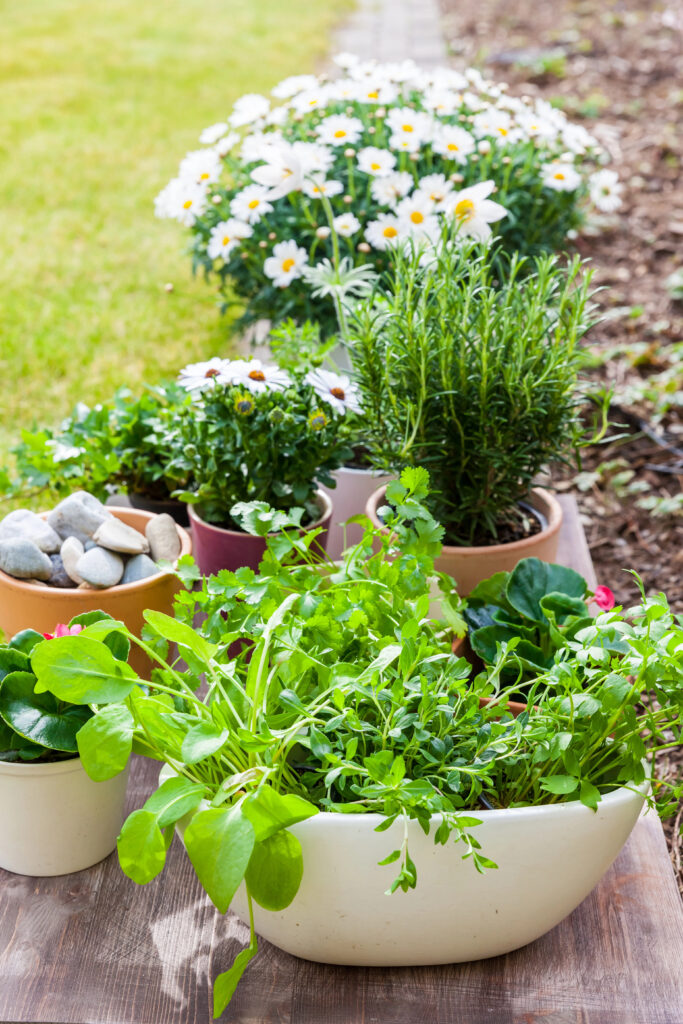
1. The Kitchen Door Convenience Garden
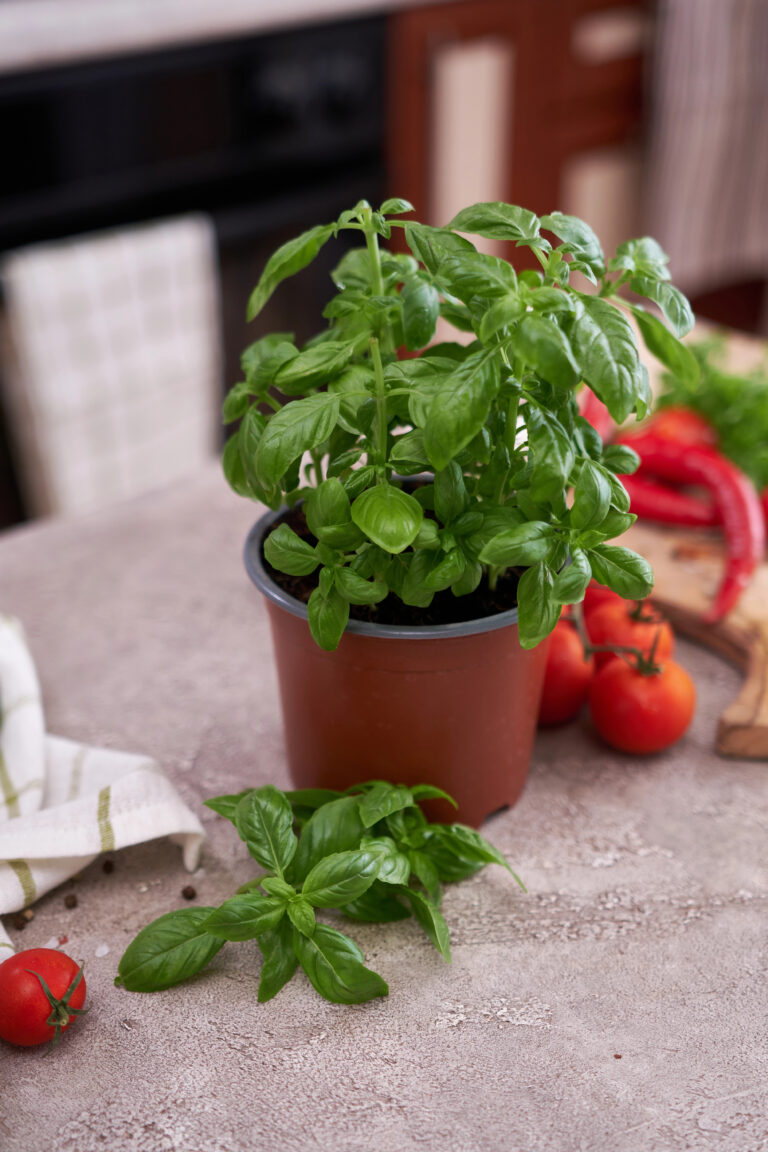
Place your most-used herbs right outside your kitchen door for easy access while cooking.
- How to: Use a collection of attractive pots grouped by the door, or create a small raised bed right outside the back entrance.
- Ideal herbs: Basil, mint (in its own pot!), chives, parsley, oregano, and rosemary are perfect for quick snips.
- Why it works: Maximizes convenience, encouraging frequent use of fresh herbs in your daily meals.
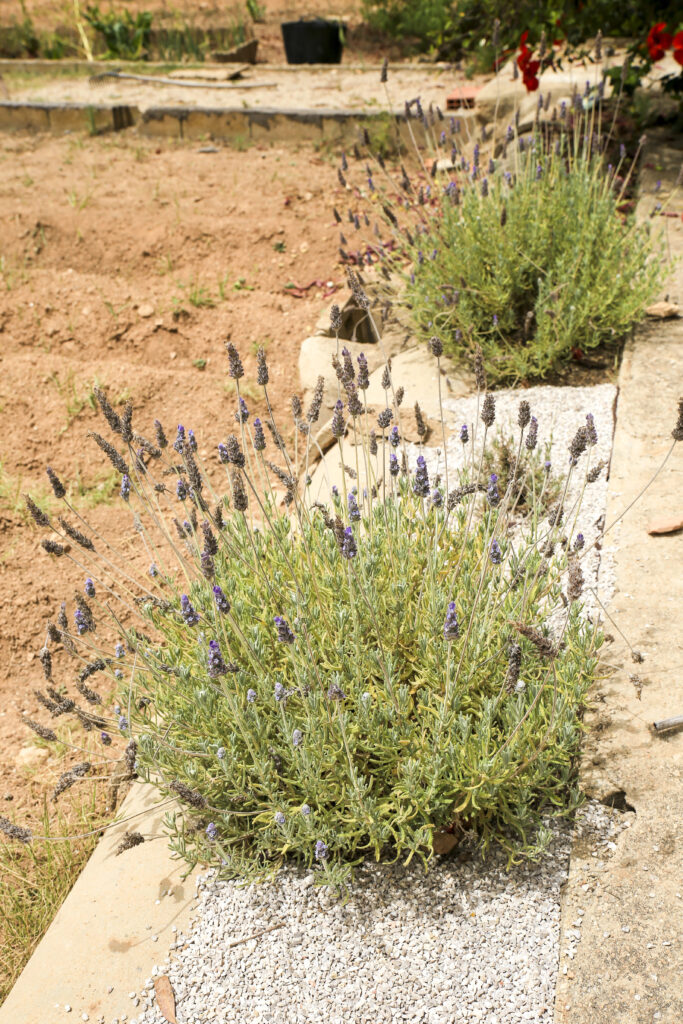
2. The Mediterranean Herb Patch
Embrace the sun-loving, drought-tolerant herbs often found in Mediterranean climates.
- How to: Choose a sunny, well-drained spot in your garden. Incorporate rocks or gravel for a rustic feel and improved drainage.
- Ideal herbs: Rosemary, thyme, oregano, marjoram, lavender, and sage. These herbs thrive in full sun and prefer less water once established.
- Why it works: Creates a beautiful, low-maintenance garden section with intoxicating aromas, perfect for hot, sunny areas.
3. Vertical Herb Walls and Towers
Maximize space and add a decorative element, especially useful in smaller yards or patios.
- How to: Utilize wall-mounted planters, tiered planters, repurposed pallets, or specialized herb towers.
- Ideal herbs: Leafy herbs like lettuce, spinach, cilantro, parsley, and smaller varieties of basil do well in vertical systems.
- Why it works: Saves ground space, makes harvesting easy, and transforms a plain wall or fence into a living, aromatic feature.
4. Edible Landscape Integration
Integrate herbs directly into your existing flower beds or ornamental borders.
- How to: Plant herbs alongside flowers, vegetables, and shrubs. Choose herbs that complement the aesthetics of your existing landscape.
- Ideal herbs: Purple basil, tri-color sage, dill, fennel (adds height and airy texture), and rosemary can be beautiful additions to a mixed border. Lavender and chives have attractive flowers.
- Why it works: Blends functionality with beauty, often attracting pollinators to your whole garden, and you can harvest herbs without needing a dedicated “vegetable patch.”
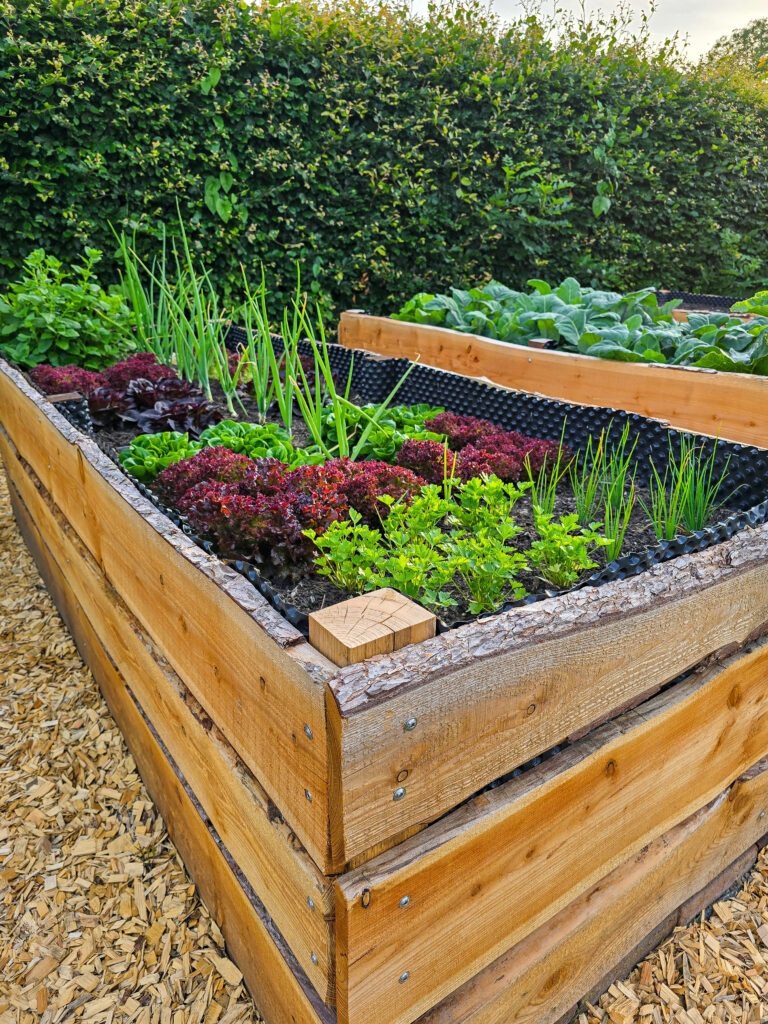
5. Raised Beds for Herb Excellence
Raised beds provide excellent drainage and allow for precise control over soil conditions, making them ideal for many herbs.
- How to: Build or buy a raised bed (8-12 inches deep is often sufficient for herbs). Fill with a good quality, well-draining soil mix rich in compost.
- Ideal herbs: Almost any herb will thrive in a raised bed. Consider grouping them by water needs to make maintenance easier.
- Why it works: Easier on the back for planting and harvesting, keeps herbs contained, and allows for optimal soil for specific herb requirements.
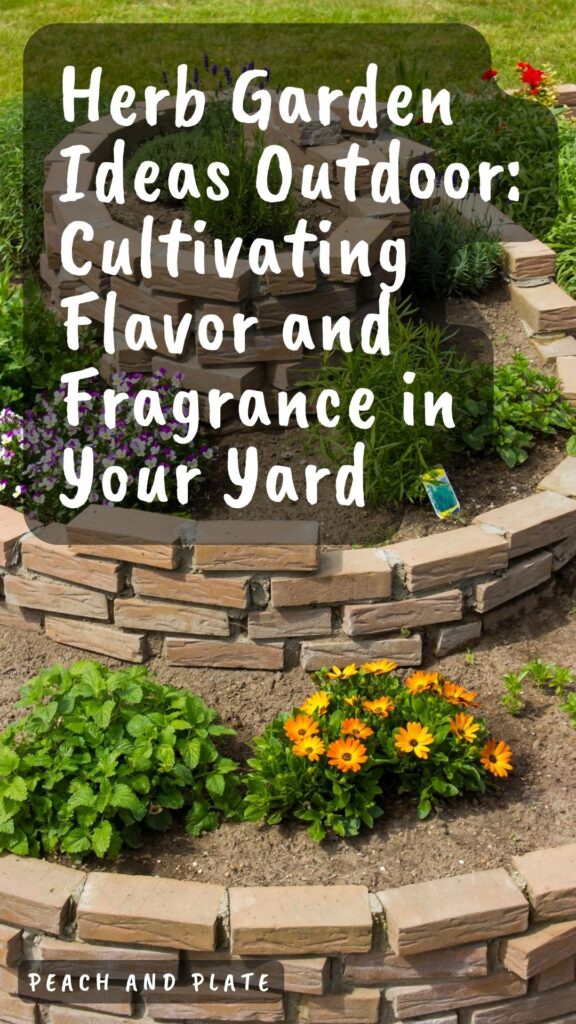
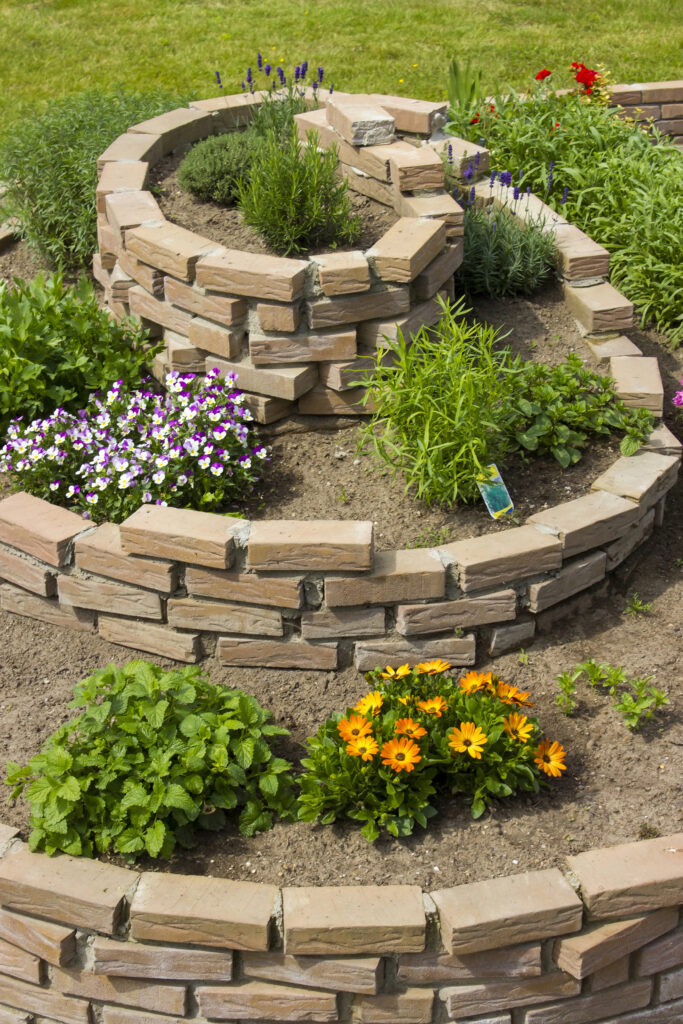
6. The Herb Spiral
A visually striking and highly efficient design that allows you to grow a variety of herbs with different needs in a small footprint.
- How to: Build a spiraling mound of soil and rocks, higher at the center and gradually sloping down. The top is dry and sunny, while the base is moister and shadier.
- Ideal herbs: Place Mediterranean herbs at the top, and water-loving herbs like mint (in its own barrier) or lemon balm at the bottom.
- Why it works: Creates microclimates within a small area, allowing you to grow a wider range of herbs with specific requirements.
7. Fragrant Pathway Edging
Plant low-growing, aromatic herbs along paths or walkways.
- How to: Use creeping thyme, chamomile, or low-growing varieties of oregano as ground cover along the edges of your garden paths.
- Why it works: Releases a pleasant fragrance when brushed against or stepped on, creating an immersive sensory experience in your garden.
Whether you’re a seasoned gardener or just starting out, an outdoor herb garden is a rewarding project that enriches your culinary adventures and beautifies your surroundings. Choose the idea that best fits your space and lifestyle, and enjoy the fresh flavors and enchanting aromas right outside your door.