High Phytic Acid Foods and Low Phytic Acid Foods Explained Simply
Phytic acid, or phytates, is a natural compound found mostly in plant seeds like grains, nuts, legumes, and some vegetables. It can block the absorption of important minerals like iron, zinc, and calcium, which might affect your body if you rely heavily on foods high in phytic acid. Knowing which foods are high in phytic acid and which ones are low can help you make smarter choices about what you eat to get the most nutrition.
This post may contain affiliate links. For more information, please see our disclaimer.
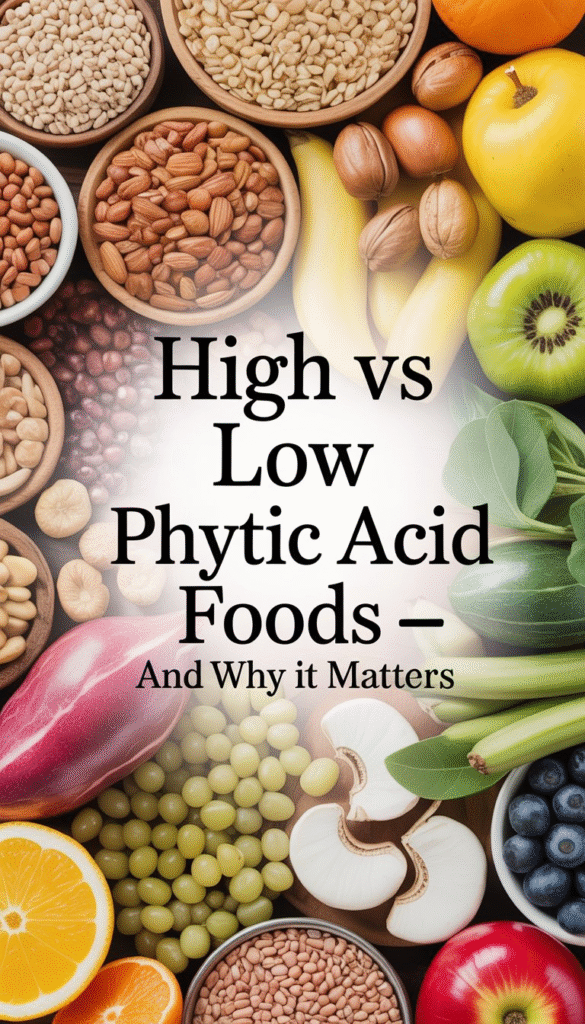
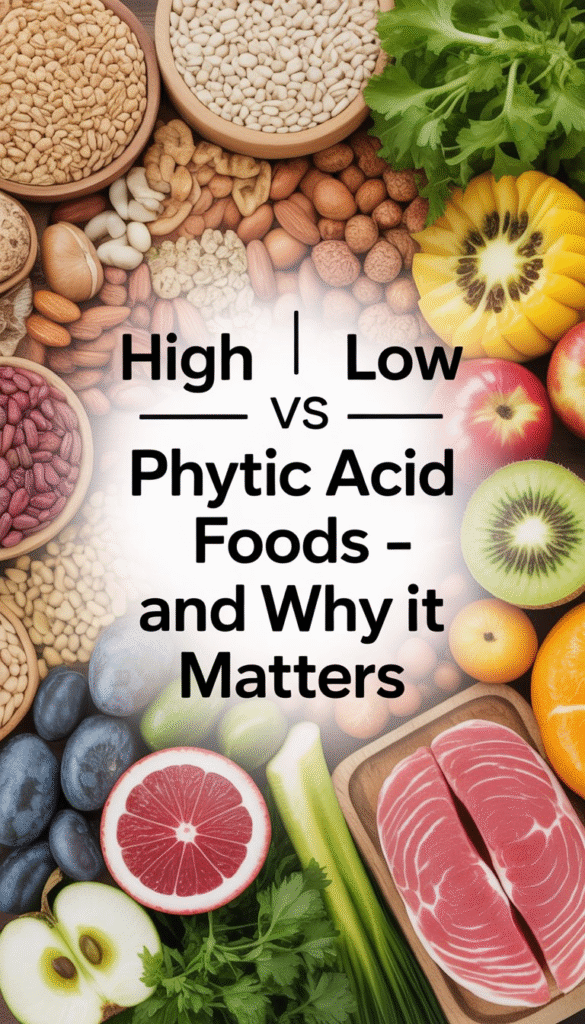
High phytic acid foods include whole grains like brown rice and oats, legumes such as beans and lentils, plus nuts and seeds. On the other hand, low phytic acid foods are often more processed or animal-based, like white rice, refined grains, dairy, and meat. Understanding this can help you balance your diet to avoid blocking essential minerals without cutting out healthy foods completely.
If you’re worried about phytic acid, there are ways to reduce it in high-phytate foods, like soaking, fermenting, or cooking them differently. This way, you can still enjoy those foods while making sure your body can absorb the nutrients it needs.
High Phytic Acid Foods and Their Impact
Some plant foods you eat every day contain phytic acid, which affects how your body absorbs certain minerals. These foods offer nutrients and fiber but can also bind minerals like iron and zinc. Understanding which foods have high phytic acid and what it does can help you balance your diet better.
Common Foods High in Phytic Acid
Phytic acid is mostly found in plant-based foods, especially in seeds, grains, nuts, and legumes. Common examples include:
- Legumes: beans, kidney beans, black beans, chickpeas, soybeans, and tofu
- Nuts: almonds, walnuts, cashews, peanuts
- Grains and seeds: whole grains like oats, barley, wheat bran, rice bran, flax seeds, sesame seeds, and linseeds
These foods often also contain fiber and protein, making them nutritious but still high in phytic acid (sometimes called phytates or IP6). Seeds and bran parts of grains are especially rich in phytic acid because it stores phosphorus for the plant.
Health Effects of Phytic Acid
Phytic acid acts like an anti-nutrient by binding minerals your body needs, which can reduce their absorption. This might lead to mineral deficiencies if your diet has lots of high-phytate foods and low mineral intake.
On the bright side, phytic acid also has antioxidant and anti-inflammatory effects. It may lower the risk of chronic diseases like cancer, diabetes, and heart problems. Phytic acid might help reduce kidney stones and support immune function too. But it can cause digestive issues like flatulence or decrease digestive enzymes if eaten in excess.
How Phytic Acid Impacts Mineral Absorption
Phytic acid binds to minerals like calcium, iron, zinc, and magnesium, forming insoluble compounds your body can’t absorb. This mainly affects people who rely heavily on grains, legumes, and nuts as their main food sources.
Phytates can lower iron absorption, which is especially important if you are prone to iron deficiency or follow a plant-based diet. Zinc and calcium absorption can also drop.
Certain food prep methods, like soaking, fermenting, or sprouting, reduce phytic acid and improve mineral uptake. Combining high-phytate foods with vitamin C-rich foods can help your body absorb more iron. You don’t need to avoid these foods completely, but balancing your meals can protect your nutrient intake.
Low Phytic Acid Foods and Ways to Reduce Phytate Intake
Knowing which foods are low in phytic acid and how to prepare high-phytate foods can help you get more nutrients from your meals. Using simple kitchen methods and balancing your diet with certain foods makes a big difference for your health.
Examples of Foods Low in Phytic Acid
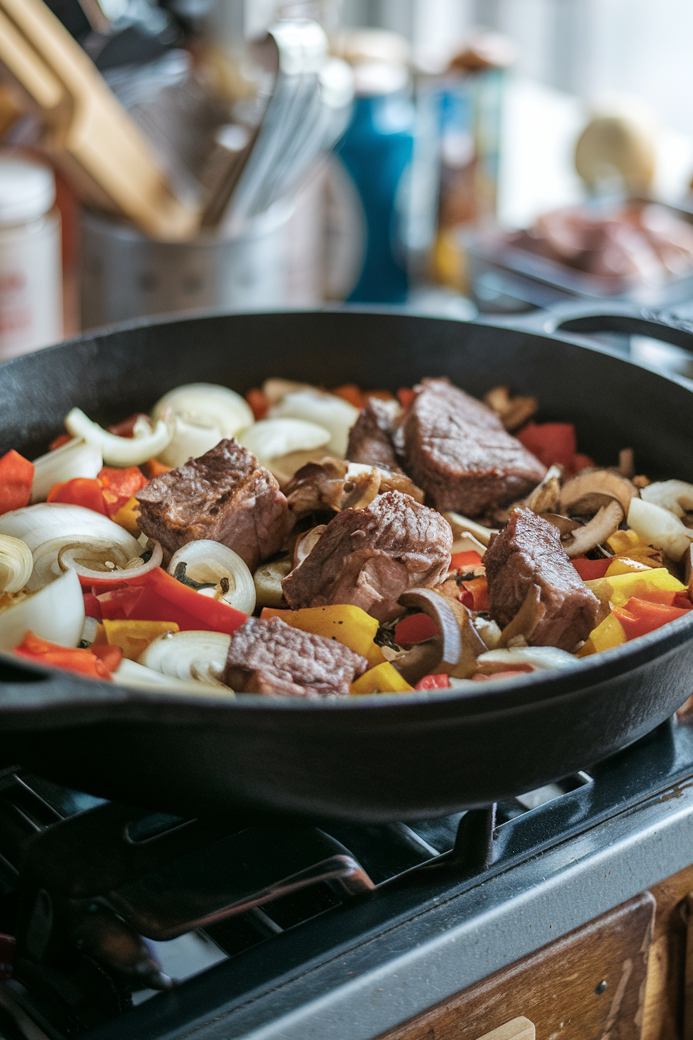
Animal-based foods like meat, fish, and other animal products have little to no phytic acid. Including these in your meals can help balance a diet heavy in plant foods.
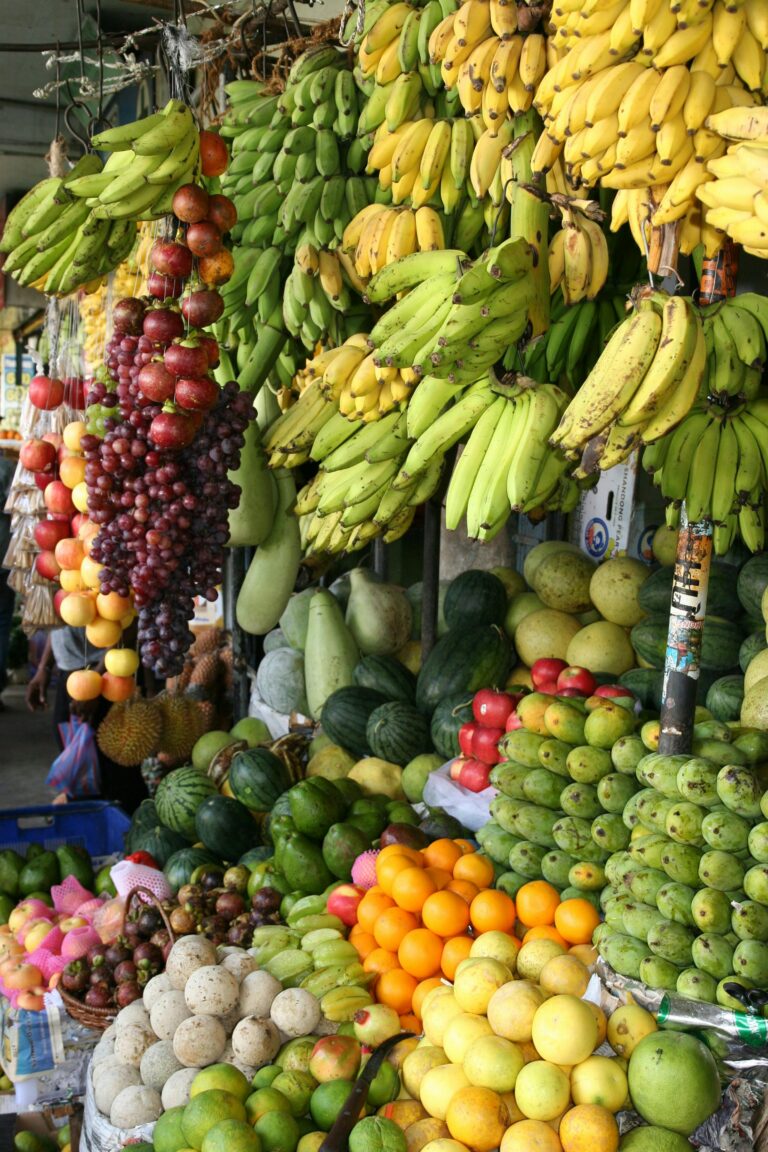
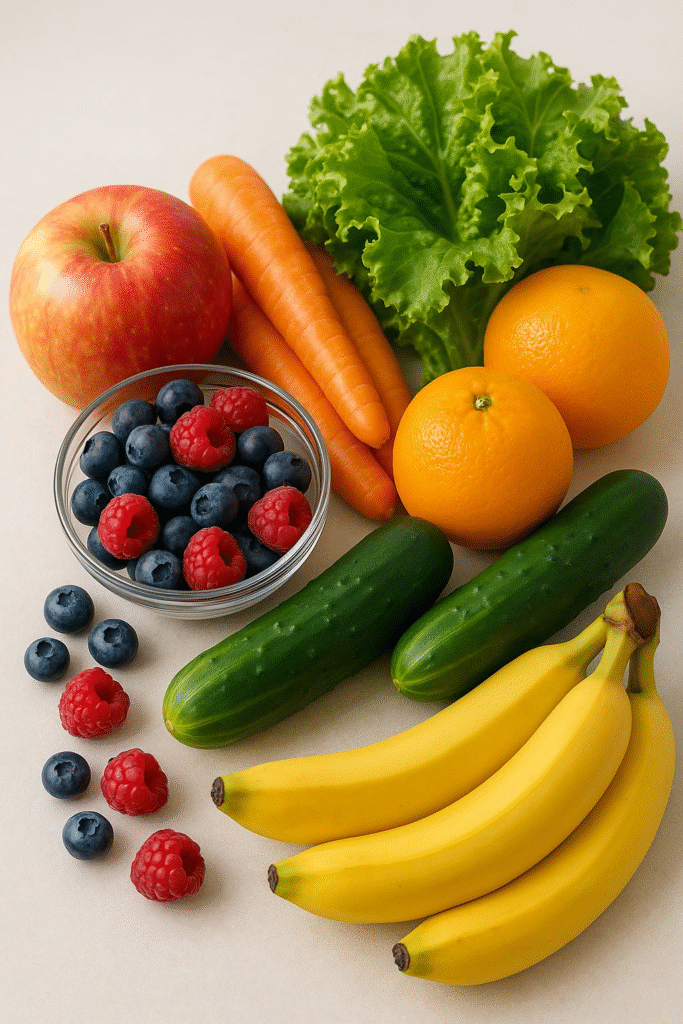
Most fruits and vegetables contain very low amounts of phytic acid. You can eat foods like oranges, bell peppers, broccoli, and papaya safely without worrying about phytates lowering your nutrient absorption.
Refined grains, unlike whole grains, have much less phytic acid because processing removes the bran and germ where phytates are concentrated. Foods like white rice or white bread are lower in phytic acid but also have fewer nutrients than whole grains.
Preparation Methods to Lower Phytic Acid
If you want to eat legumes, nuts, or whole grains, some cooking tricks can reduce their phytic acid content.
Soaking these foods in water for several hours before cooking helps break down phytates. Sprouting or germinating seeds makes enzymes active that lower phytate levels even more.
Fermenting foods like sourdough bread or fermented soy products also cuts down phytic acid. Cooking after soaking or sprouting further reduces it.
Adding vitamin C-rich foods like citrus or bell peppers to your meals improves your body’s ability to absorb minerals, fighting the effects of phytates.
Balancing Phytic Acid in Your Diet
You don’t have to avoid phytic acid completely. It’s about balance. Eating a mix of low and high phytic acid foods within a varied diet helps.
Make sure you get enough nutrients like manganese, which can be affected by phytic acid but is important for your nervous system and overall health.
Combining your plant-based meals with animal foods or vitamin C sources supports your nutrient intake.
Managing phytic acid by food choice and preparation keeps your diet nutritious without cutting out important foods like nuts, beans, or whole grains altogether.