The Ultimate Guide to Horopito: The Jaw-Dropping New Zealand Superherb You Need to Know About
Hidden deep in New Zealand’s rainforests grows a fiery little leaf that’s been treasured for centuries, yet most of the world has never heard of it: horopito.
This post may contain affiliate links. For more information, please see our disclaimer.

This striking red-green shrub doesn’t just look beautiful – it’s packed with powerful plant compounds that may support gut health, yeast balance, skin, and natural resilience.
Whether you’re curious about natural antifungals, exploring native botanicals, or simply want to upgrade your wellness routine, horopito is a fascinating ingredient worth a closer look.
What Exactly Is Horopito?
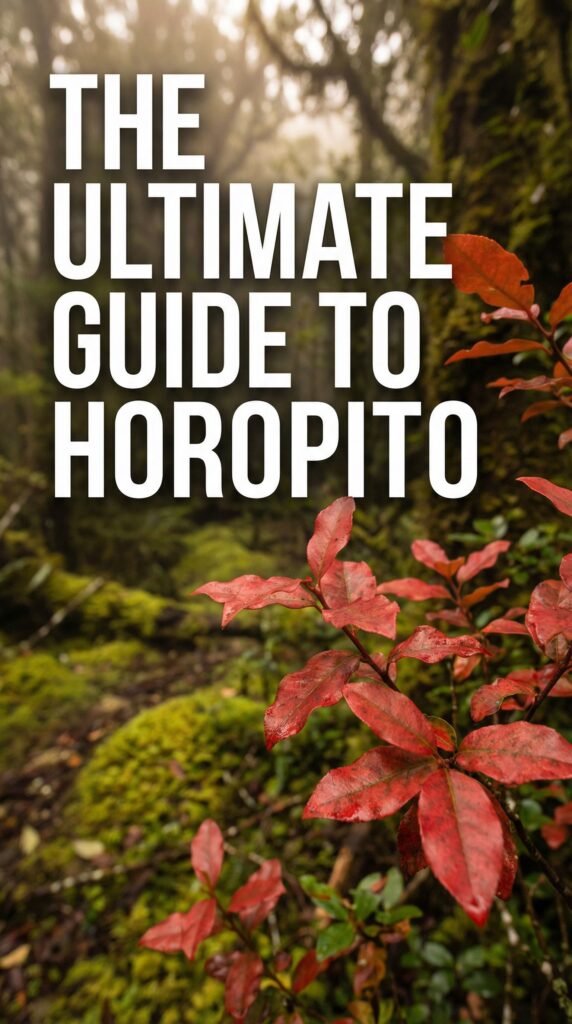
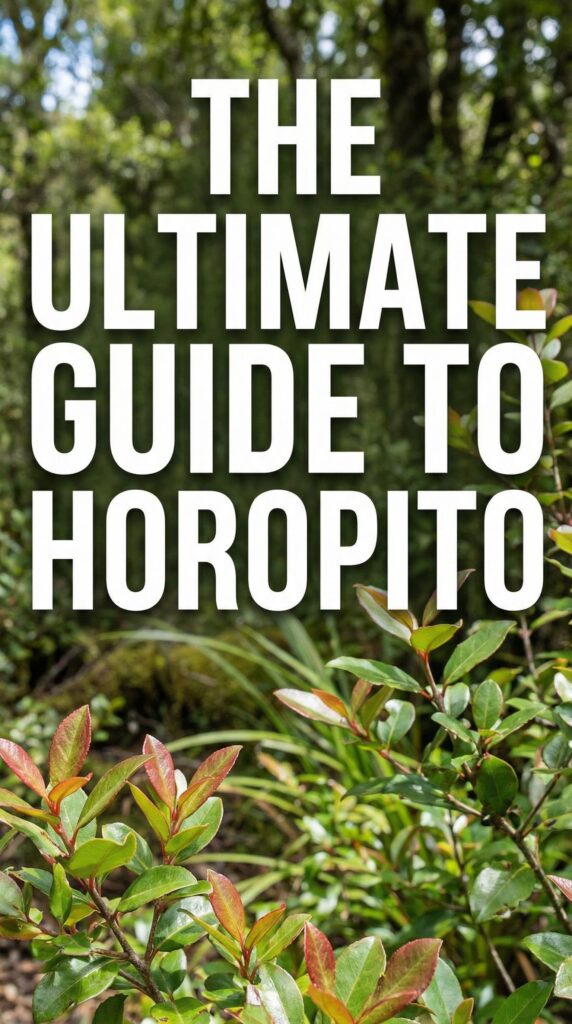
Horopito (Pseudowintera colorata) is a native New Zealand shrub often called the “pepper tree” thanks to its hot, peppery leaves.
You’ll spot it by its mottled red and green foliage and its strong, spicy taste that can numb the tongue slightly.
Key facts about horopito:
- Native to New Zealand’s cool, damp forests
- Traditionally used by Māori for discomfort, skin issues, and general resilience
- Sometimes compared to chili and pepper, but it’s actually a completely different plant family
- Rich in a unique compound called polygodial, linked to its antifungal and antimicrobial activity
In modern herbal products, horopito is usually used as a leaf extract, either dried and encapsulated or turned into liquid tinctures.
Action tip: When shopping for horopito, look for products that specify “Pseudowintera colorata leaf extract” and list the standardization or strength on the label.
Science-Backed Benefits of Horopito You Should Know About
Horopito’s growing popularity comes mostly from its potential antifungal and antimicrobial benefits, especially for people dealing with recurring yeast or digestive imbalances.
While research is still developing, early studies and traditional use suggest some key areas where horopito may shine.
Potential benefits of horopito:
- Antifungal support: Polygodial in horopito has been studied for its activity against Candida species, which are often behind yeast overgrowth and thrush.
- Gut and digestive balance: Some supplements combine horopito with other herbs to help support a healthy microbial balance in the gut.
- Microbial defense: Lab studies indicate horopito may help inhibit certain bacteria and fungi, making it a useful ingredient in natural defense formulas.
- Skin and nail support: Because of its antifungal properties, horopito occasionally appears in topical products for nails, feet, and irritated skin.
It’s important to note that much of the evidence comes from laboratory and small human studies, so horopito shouldn’t replace medical treatment but can be a complementary option.
Action tip: If you’re considering horopito for recurring yeast or gut issues, talk with a healthcare professional, especially if you’re on medications or have ongoing health conditions. If you’ve tried supplements before with garlic and other antifungals and not had much luck it might be worth trying horopito, just as above check with your doctor beforehand.
Top Horopito Products and How They’re Used
Horopito appears in several different product types, from capsules to creams. Understanding the options helps you choose what fits your needs.
Here are the most common ways horopito is used:
- Oral supplements (capsules or tablets): Often blended with other herbs like anise seed, garlic, or oregano to support yeast and gut balance.
- Liquid extracts and tinctures: Provide flexible dosing and can be added to water or juice; ideal for people who dislike swallowing pills.
- Topical creams and gels: Sometimes used for nails, feet, and skin areas prone to fungal irritation.
- Herbal blends and complex formulas: Found in “candida support” or “digestive balance” supplements where horopito is one of several active botanicals.
Typical product combinations you might see:
- Horopito plus aniseed or fennel for digestive comfort
- Horopito plus garlic or oregano oil for broad microbial support
- Horopito plus probiotics for a combined gut and microbiome approach
Because strengths and quality vary, always read labels and check whether the product lists standardized extract amounts or polygodial content.
Action tip: Start with a single, well-formulated horopito supplement rather than multiple overlapping products, so you can clearly see how your body responds.
How to Use Horopito Safely and Effectively
Like any strong botanical, horopito works best when used thoughtfully. Its peppery power means more isn’t always better.
Practical usage tips:
- Follow label directions: Dosages vary widely, so always stick to the manufacturer’s instructions unless advised otherwise by a professional.
- Start low, go slow: If you’re sensitive, begin with the lowest recommended dose and increase gradually.
- Take with food: Horopito’s spicy nature may cause mild stomach discomfort for some people when taken on an empty stomach.
- Watch for Herx reactions: With antifungal herbs, some people notice temporary symptoms like fatigue or headache if yeast dies off quickly.
Who should be cautious:
- Pregnant or breastfeeding women (safety data is limited)
- People on multiple medications or with serious health conditions
- Those with known allergies to New Zealand native plants
If you notice burning, rash, or digestive upset that doesn’t settle, reduce the dose or stop and speak with a qualified practitioner.
Action tip: Keep a simple symptom diary for 1–2 weeks after starting horopito, noting energy, digestion, skin, and any side effects so you can adjust quickly if needed.
How to Choose a High-Quality Horopito Product
Not all horopito supplements are created equal. Quality sourcing and manufacturing make a big difference in both effectiveness and safety.
Key things to look for on the label:
- Clear botanical name: “Pseudowintera colorata” listed, not just “pepper tree” or “New Zealand herb”
- Origin information: Ideally, sustainably harvested in New Zealand
- Standardized extract: If possible, look for indication of polygodial content or specific extract strength
- Minimal fillers: Avoid products with unnecessary additives, artificial colors, or excessive binders
Quality and safety checks:
- Third-party testing: Brands that test for purity, potency, and contaminants (like heavy metals and microbes)
- Transparent manufacturer: Companies that share details about sourcing and testing
- Professional recommendations: Endorsements by naturopaths or health practitioners can be a plus, though not a guarantee
Spending a little more on a reputable brand is often worth it for consistent results and peace of mind.
Action tip: Before purchasing, take 2 minutes to search the brand’s website for lab testing or quality assurance information—if you can’t find any, consider another product.
Conclusion
Horopito may be new to many, but this bold New Zealand native has a long history of traditional use and a growing body of modern interest, especially for antifungal and gut-supportive benefits.
By understanding what horopito is, where it shines, and how to choose quality products, you can decide whether it deserves a place in your wellness toolkit.
If you’re curious about natural ways to support microbial balance and resilience, horopito is a powerful plant worth exploring—ideally with guidance from a qualified health professional and a careful eye on product quality and your body’s response.