Pretty Edible Garden Ideas for Everyday Living
Integrating edible plants into your everyday living spaces can create a garden that’s not just functional, but also beautiful, making your home and garden more charming and sustainable. Imagine stepping outside to snip herbs for dinner or picking fresh berries right from your patio. The key is to blend aesthetics with edibles, creating a feast for both the eyes and the palate.
This post may contain affiliate links. For more information, please see our disclaimer.
Here are some pretty edible garden ideas that genuinely work for everyday living:
1. Edible Borders and Hedges
Replace purely ornamental borders with edible ones.
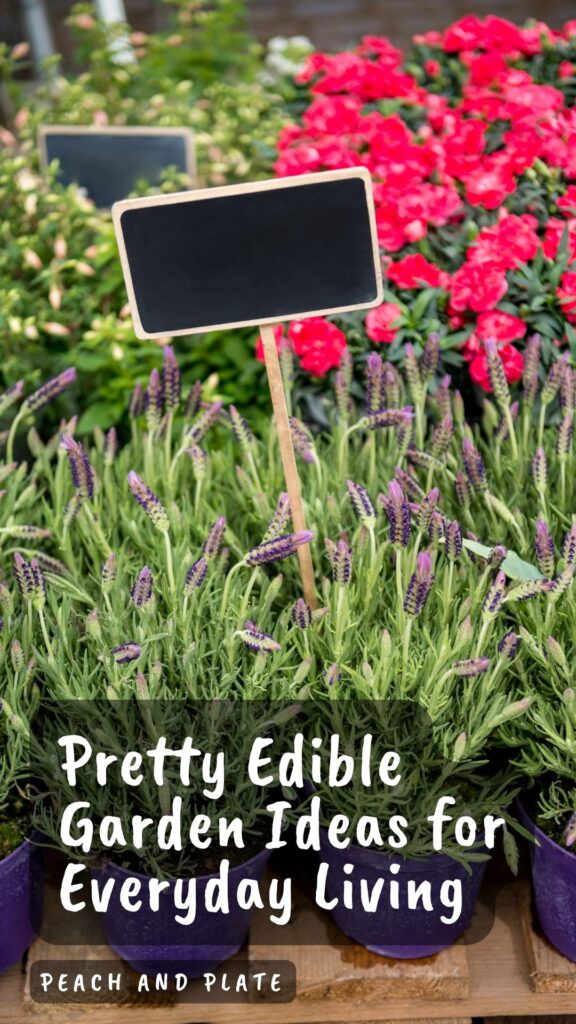
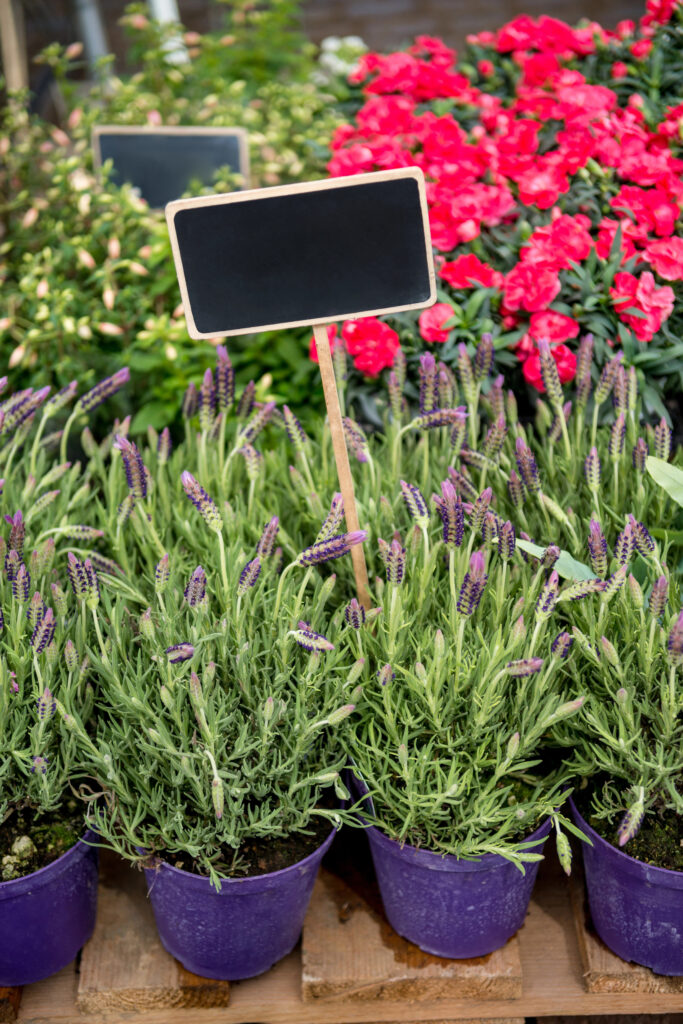
- Low Hedges: Instead of boxwood, consider growing lavender (flowers are edible and great for teas/desserts), rosemary (for savory dishes), or even dwarf blueberries for a low-growing, productive hedge that’s beautiful year-round and provides berries.
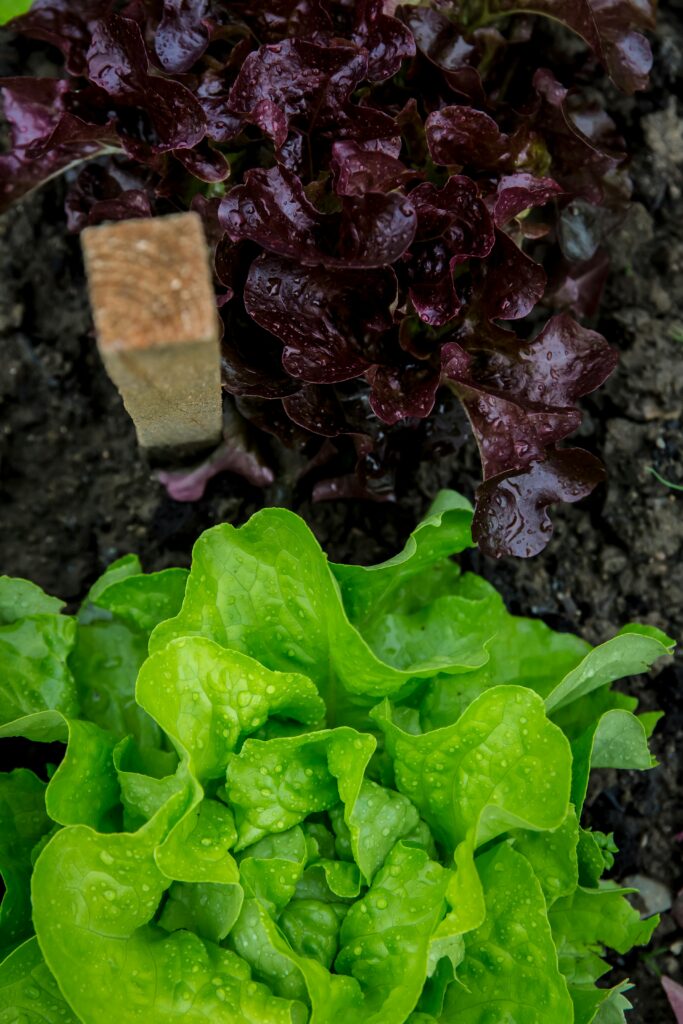
- Flower Beds with Veggies: Interplant colorful Swiss chard, red-leaf lettuce, or purple kale alongside your annual flowers. Their vibrant leaves add texture and color, and you can harvest them for salads.
2. Vertical Gardens for Walls and Fences
When ground space is limited, go up! Vertical gardens are perfect for herbs, greens, and small fruits.
- Pocket Planters: Fabric pocket planters or wall-mounted systems can turn a blank wall on a patio or porch into a living tapestry of lettuce, spinach, strawberries, or various herbs.
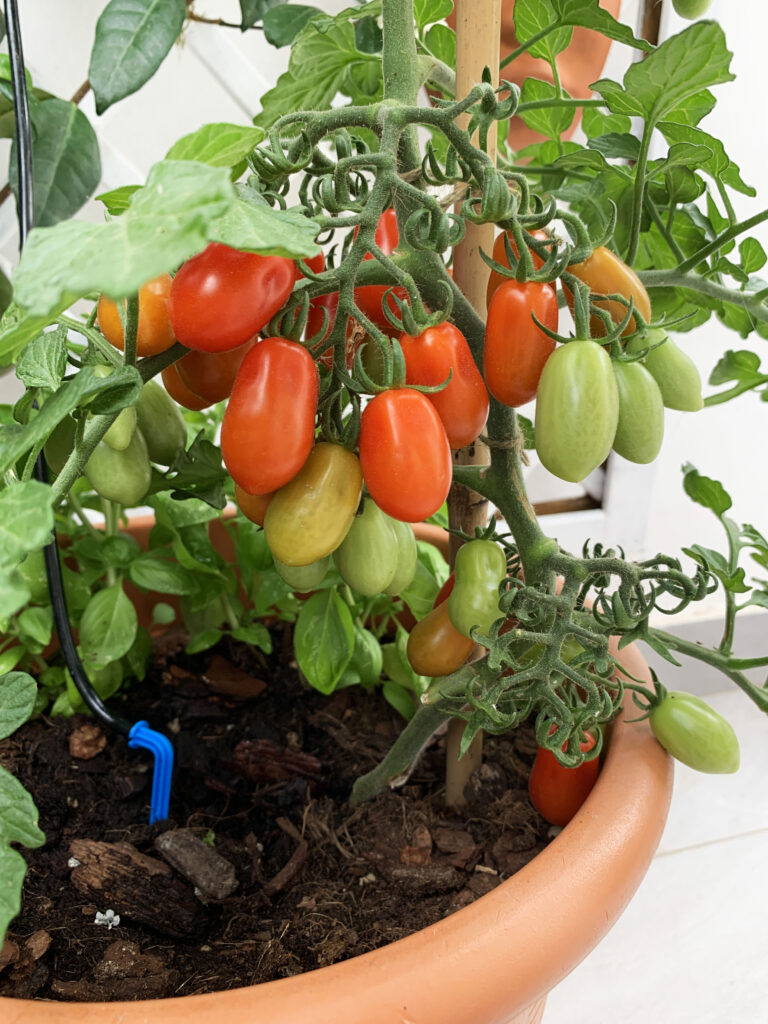
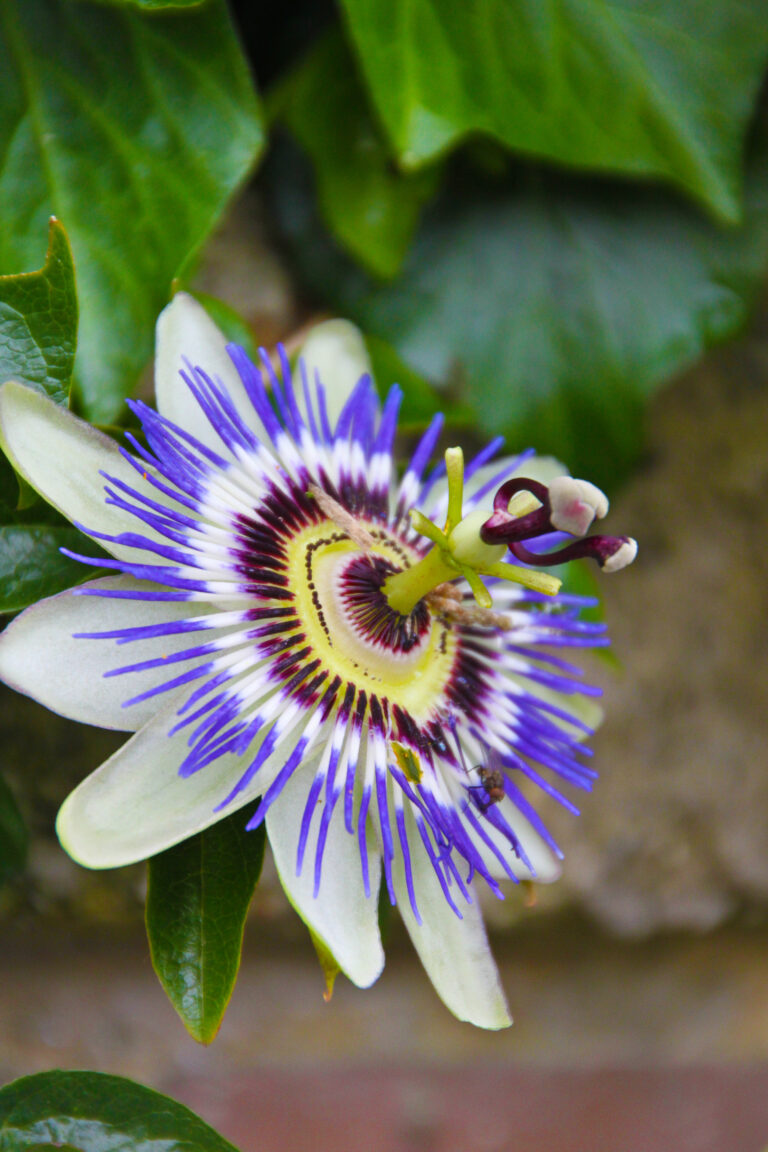
- Trellised Veggies: Train vining plants like cherry tomatoes, cucumbers, pole beans, or passionfruit up trellises or along fences. They provide lush greenery, shade, and easy-to-reach produce.
3. Container Gardening: Decorative and Delicious
Pots aren’t just for flowers. They offer flexibility and bring edibles closer to your home.
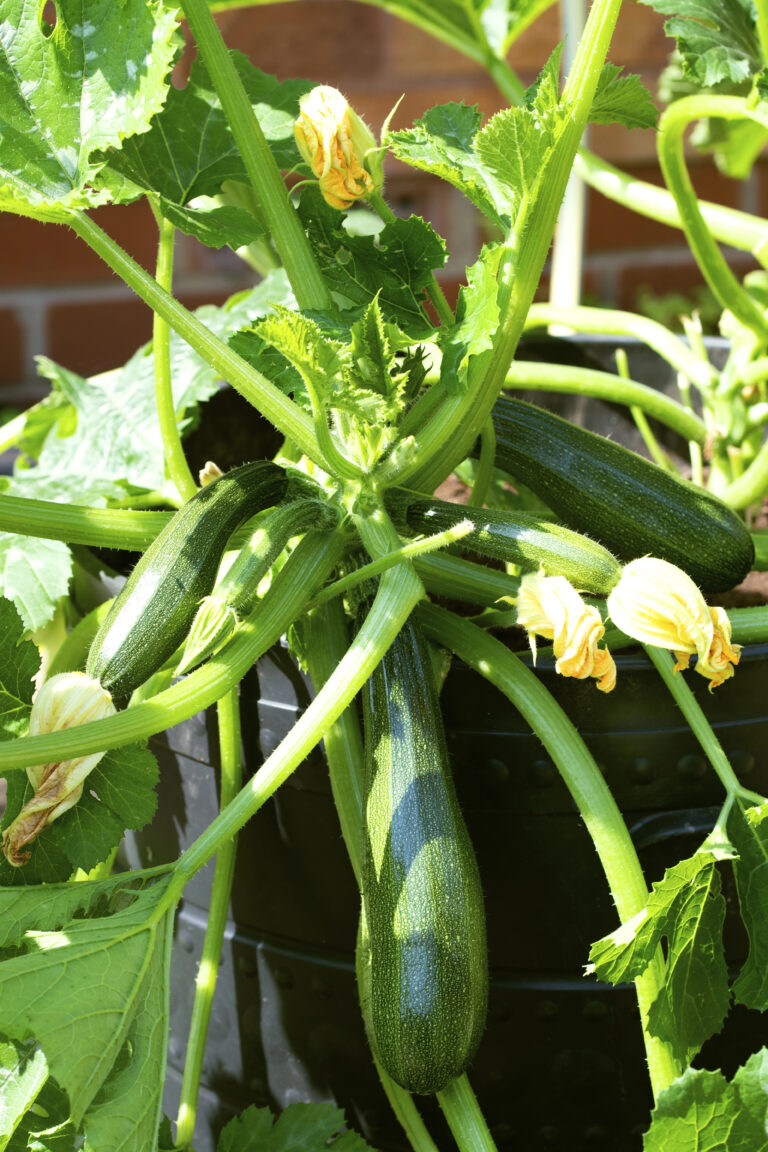
- Mix and Match: Combine different edible plants in attractive containers. A large pot could hold a dwarf tomato plant, surrounded by basil and cascading nasturtiums (whose leaves and flowers are edible).
- Herbal Arrangements: Create stunning herb arrangements in terracotta pots or decorative ceramic planters. Group rosemary, thyme, sage, and oregano for a fragrant and practical display near the kitchen door.
- Edible Centerpieces: Use small, attractive pots of herbs or microgreens as temporary centerpieces on your outdoor dining table.
4. Fruit Trees and Shrubs as Specimen Plants
Choose fruit-bearing trees and shrubs that are also visually appealing for strategic placement.
- Dwarf Citrus Trees: In containers, these can provide beautiful foliage, fragrant blossoms, and fruit, perfect for sunny patios.
- Berry Bushes: Blueberries, raspberries, or currants can be trained to look neat and provide seasonal fruit. Plant them where their growth habit and seasonal color can be appreciated.
- Espaliered Fruit Trees: Train apple or pear trees to grow flat against a wall or fence. This ancient technique is space-saving and incredibly elegant, providing fruit without a large footprint.
5. Edible Groundcovers and Path Edgings
Replace traditional groundcovers with tasty alternatives.
- Creeping Thyme: Not only does it smell wonderful when stepped on, but it’s also a useful culinary herb and creates a soft, green carpet.
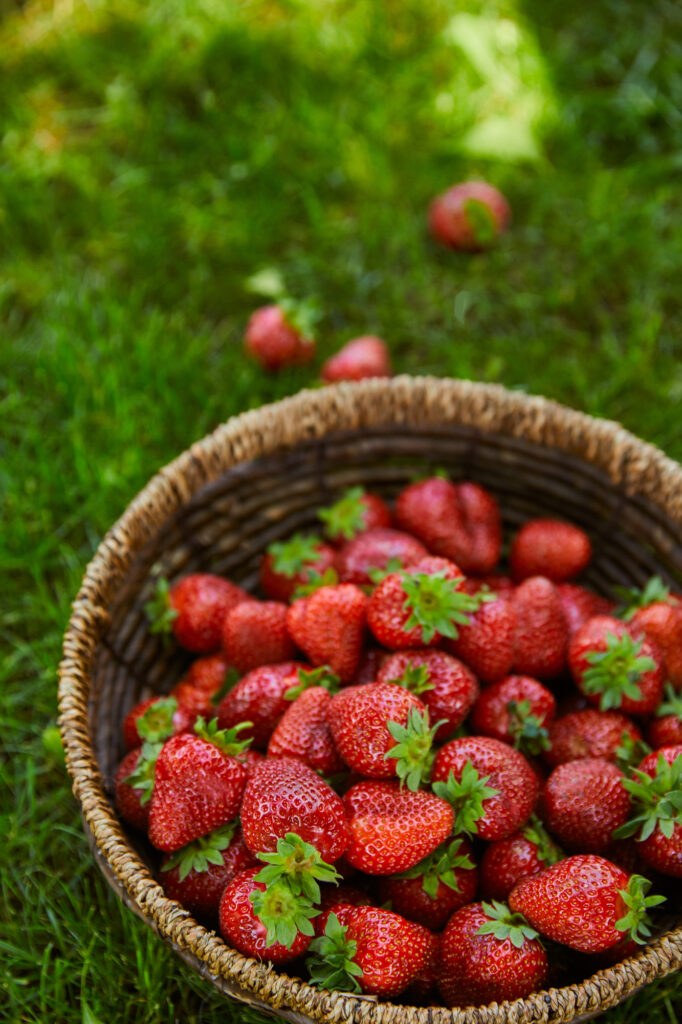
- Strawberries: Instead of just growing them in rows, let them sprawl as a groundcover in sunny areas. Their flowers are pretty, and the fruit is a delightful bonus.
6. Integrating Flowers with Food
Many edible plants have beautiful flowers, and many traditional flowers are also edible.
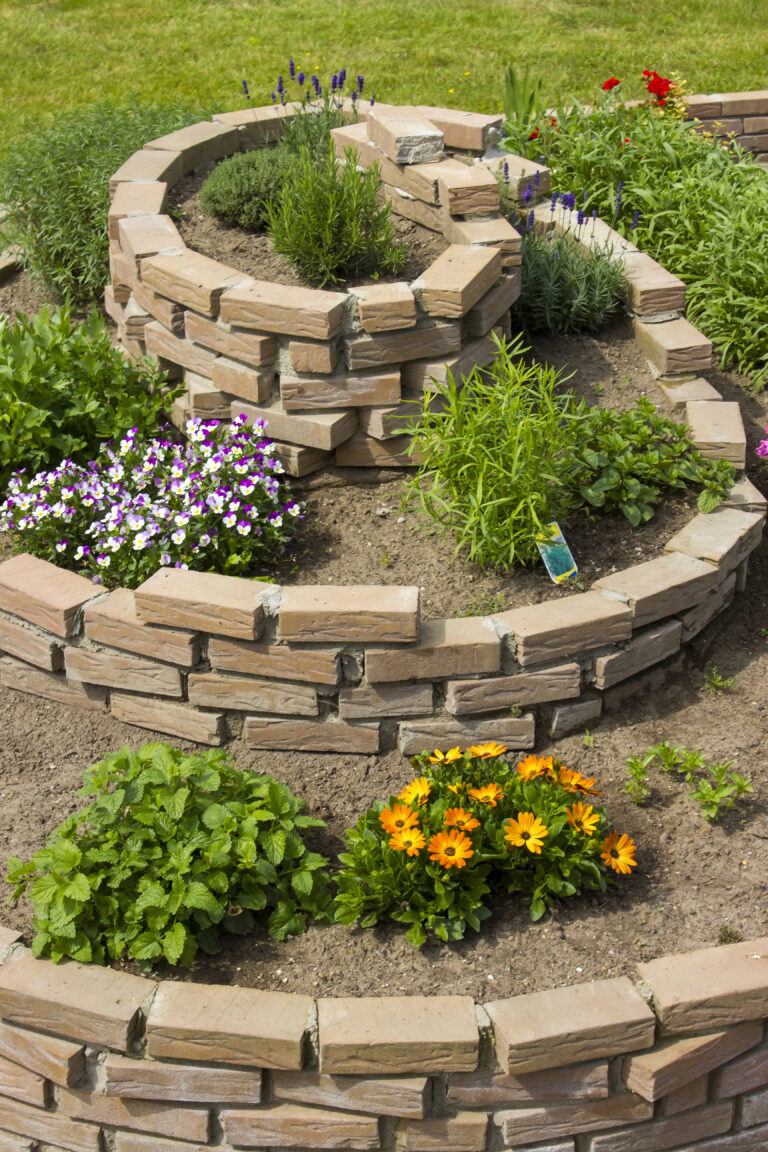
- Edible Flowers: Plant nasturtiums, calendula, borage, pansies, or violas directly into your vegetable beds or containers. Their blooms add color and can be used to garnish salads and desserts. (Always double check if a particular plant/leaves/flowers are edible before consuming)
- Beneficial Companions: Allow plants like dill and cilantro to flower. Their lace-like blooms attract beneficial insects and pollinators, enhancing the beauty and health of your edible garden.
By blending the practical with the pretty, you can create an edible garden that’s not just a source of food, but a continuous source of joy, beauty, and engagement for your everyday life.