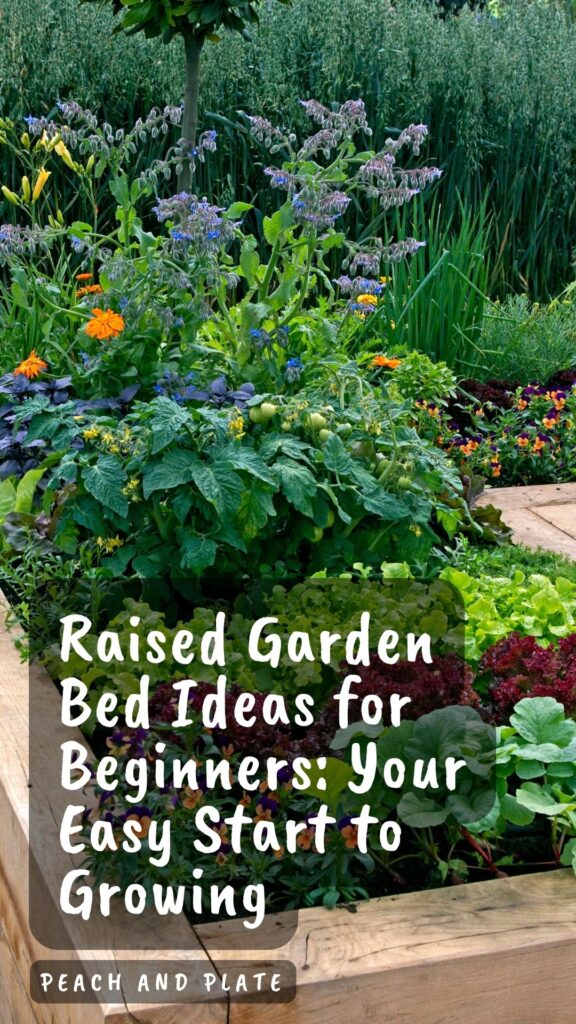
Raised Garden Bed Ideas for Beginners: Your Easy Start to Growing
If you’re new to gardening or have struggled with tricky soil, raised garden beds can be a fantastic way to get started. They offer many advantages, making gardening easier and more productive, especially for beginners. Think of them as giant containers that give you more control over your growing environment.
This post may contain affiliate links. For more information, please see our disclaimer.
Here are some raised garden bed ideas tailored for beginners, focusing on simplicity and success:
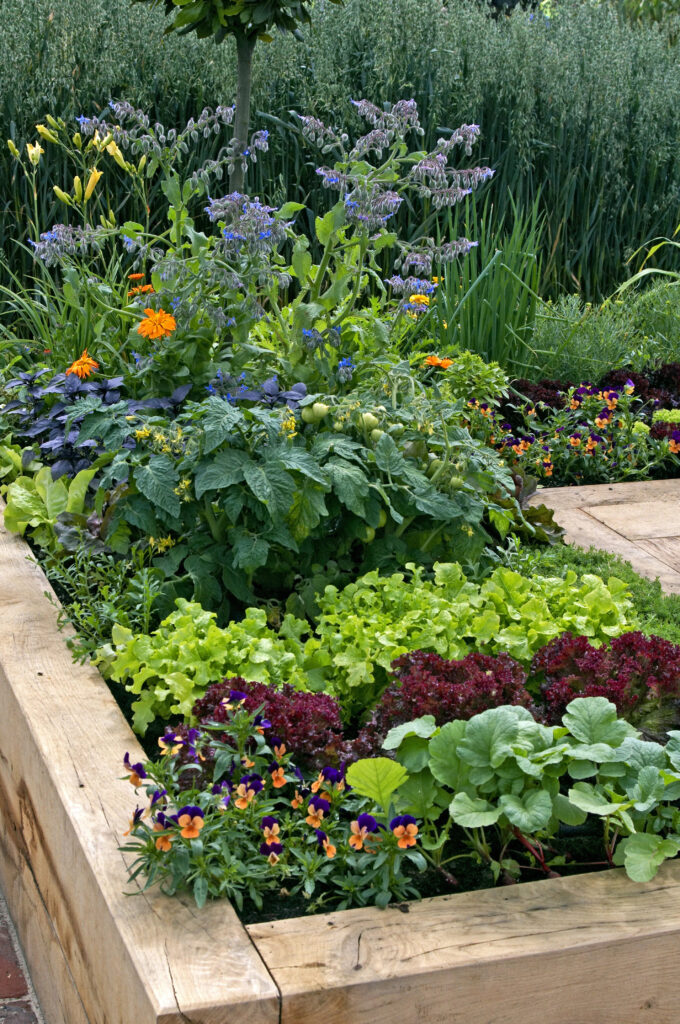
1. Start with a Simple Wood Frame
The easiest way to begin is with a basic wooden frame. Cedar is a popular choice because it’s naturally rot-resistant and lasts a long time without chemical treatments.
- Size: A 4×8 foot bed is a common and manageable size. You can easily reach the center from either side. For smaller spaces, a 4×4 foot bed works well.
- Height: Aim for at least 8-12 inches deep, but 10-12 inches is often ideal for most vegetables. Taller beds (18-24 inches) are great if you have back issues, but they require more soil to fill.
- Construction: You can buy kits that simply screw together, or purchase lumber and build it yourself with basic tools. No complex carpentry skills are needed.
2. Choose the Right Location
Even with a raised bed, location is key to success.
- Sunlight: Most vegetables need at least 6-8 hours of direct sunlight per day. Watch your chosen spot throughout the day to confirm it gets enough sun.
- Level Ground: While not strictly necessary for wood beds, placing it on somewhat level ground makes construction easier and prevents soil from shifting unevenly.
- Access: Place your bed where you can easily reach all sides for planting, weeding, and harvesting. Also, consider access to a water source.
3. Layer Your Soil for Success
Don’t just fill your raised bed with any old dirt. The beauty of raised beds is the control you have over the growing medium.
- Bottom Layer (Optional but Recommended): If placing directly on grass or weeds, lay down a layer of cardboard or newspaper to suppress weeds.
- Middle Layer (Optional Filler): For very deep beds, you can add some coarser organic material like untreated wood chips or logs at the very bottom (but not too much) to reduce the amount of expensive topsoil needed.
- Top Layer (The Crucial Part): Fill the bulk of your bed with a mix of good quality topsoil and plenty of compost. A common mix is 50-60% topsoil, 30-40% compost, and a bit of vermiculite or perlite for aeration. This provides a nutrient-rich, well-draining environment plants love.
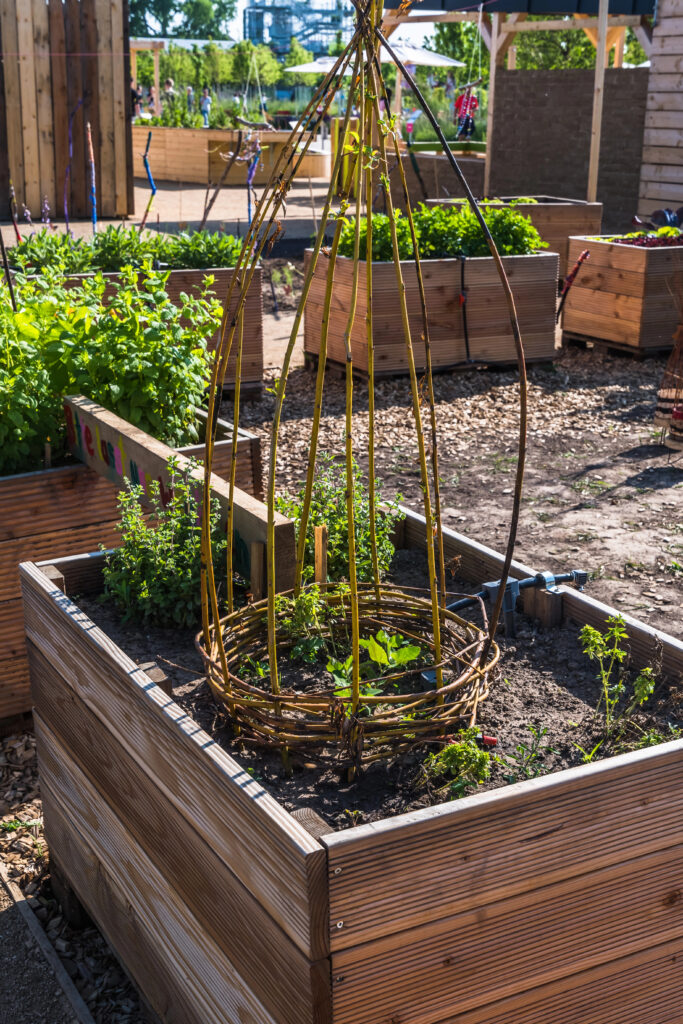
4. Consider “No-Dig” Methods
This technique, also known as lasagna gardening, builds up layers of organic materials directly in your raised bed.
- How it Works: Layer “brown” materials (cardboard, dry leaves, straw) with “green” materials (grass clippings, kitchen scraps, manure). Over time, these layers break down into rich soil.
- Why it’s Easy: It minimizes soil preparation and builds fertility naturally. You can plant directly into the top layers of finished compost or soil mix.
5. Start with Beginner-Friendly Plants
Choose vegetables that are known for being easy to grow and productive in raised beds.
- Leafy Greens: Lettuce, spinach, kale, and Swiss chard are excellent as they tolerate some shade and can be harvested multiple times.
- Root Vegetables: Carrots, radishes, and beets thrive in the loose, stone-free soil of raised beds.
- Bush Beans: Produce well without taking up too much space.
- Herbs: Basil, parsley, cilantro, and mint are perfect for quick access.
- Tomatoes & Peppers: Opt for bush or determinate varieties in raised beds, and provide stakes or cages for support.
6. Plan for Efficient Watering
Raised beds can dry out faster than in-ground gardens, especially if they’re not very deep.
- Soaker Hoses or Drip Irrigation: These are excellent for watering efficiently, delivering water directly to the plant roots and reducing water waste. They save time and ensure consistent moisture.
- Mulch: Once plants are established, add a layer of organic mulch (like straw, shredded leaves, or wood chips) around them. This helps retain soil moisture, suppress weeds, and regulate soil temperature.
By focusing on these beginner-friendly raised garden bed ideas, you can create a successful, productive, and enjoyable gardening experience right from the start.