Red Flower Ideas For Your Garden: Bold Blooms That Steal the Show
Red flowers have a way of instantly transforming a garden. They add energy, drama, and a focal point that draws the eye from across the yard.
This post may contain affiliate links. For more information, please see our disclaimer.
Whether you want a fiery border, a romantic corner, or just a few bold accents, the right red blooms can completely change the mood of your outdoor space. The key is choosing varieties that fit your climate, sunlight, and maintenance style.
Below are practical, beautiful red flower ideas you can mix and match to design a garden that feels vibrant, cohesive, and easy to care for.
Classic Red Perennials That Come Back Every Year
Perennials are the backbone of a red-themed garden because they return season after season. Start by choosing dependable varieties that suit your growing zone and sun exposure.
Great red perennials to consider include:
- Red coneflower (Echinacea) for pollinator-friendly color
- Red daylilies for long-lasting summer blooms
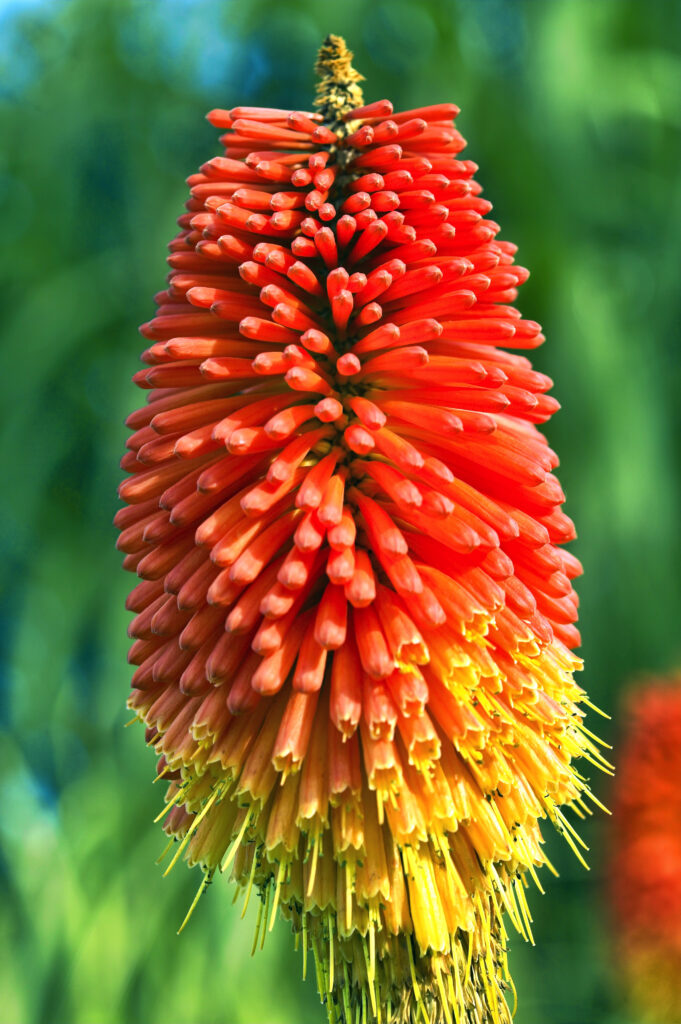
- Red hot poker (Kniphofia) for a bold, architectural look
- Red bee balm (Monarda) for hummingbirds and cottage style
- Red yarrow for drought-tolerant, low-maintenance borders
Plant these in groups of three or five to create dense blocks of color instead of scattered single plants. Combine different bloom times so you always have some red flowers in show throughout the season.
Action tip: Choose 2–3 red perennials that bloom at different times and plant them in repeating clusters along a path or border for a cohesive, professional look.
Show-Stopping Annuals For Intense Seasonal Color
Annuals are perfect when you want instant, high-impact red color without a long-term commitment. They bloom hard, fast, and often brighter than many perennials.
Excellent red annuals for vibrant displays include:
- Red geraniums for containers, window boxes, and entryways
- Red petunias for spilling color over beds and hanging baskets
- Red zinnias for cutting gardens and pollinator patches
- Red salvia for vertical spikes of long-lasting bloom
- Red begonias for shaded beds and porch planters
Mix red annuals into existing beds to fill gaps or highlight key features like a front door, mailbox, or seating area. Refresh containers mid-season with fresh annuals if they start to look tired to keep your garden looking lush.
Action tip: Create one “red statement” container by combining a tall red salvia, medium-height red geraniums, and trailing red petunias, then place it where guests first enter your garden.
Roses, Tulips, and Other Romantic Red Favorites
Some red flowers are timeless garden icons. Roses and tulips instantly add romance and structure, especially when used thoughtfully rather than scattered at random.
Romantic red bloom ideas include:
- Classic red hybrid tea roses for long-stemmed cutting flowers
- Climbing red roses to frame arches, fences, or pergolas
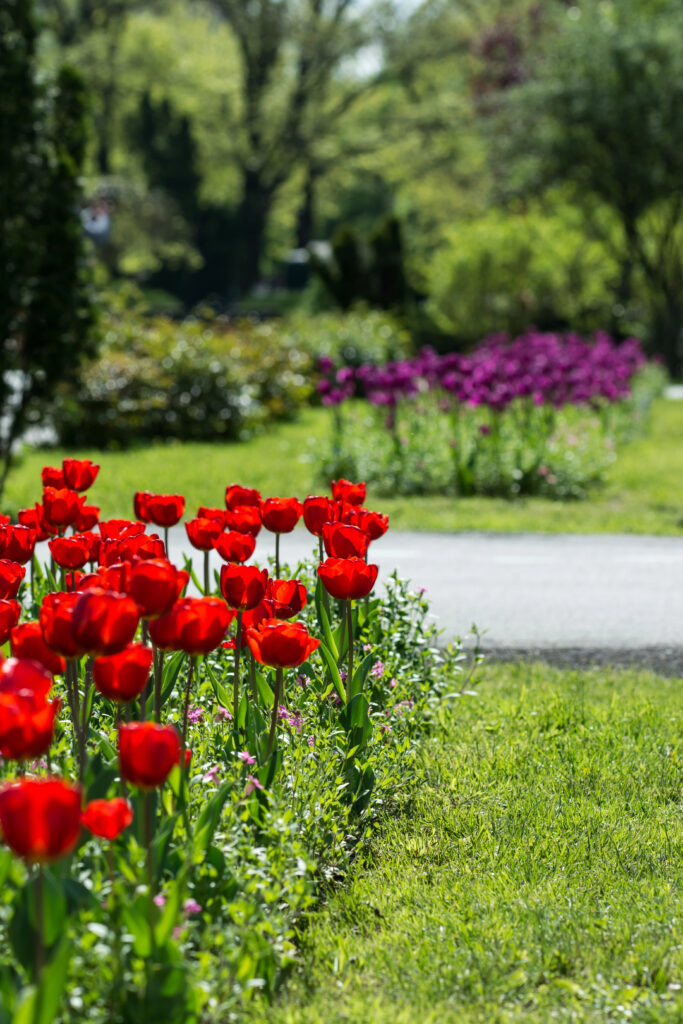
- Red tulips for bold spring displays in beds and borders
- Red dahlias for dramatic late-summer and fall blooms
- Red peonies for lush, early-summer focal points
Plant tulips and other bulbs in generous drifts, not single lines, for a lush, designer look. For roses, ensure good air circulation, full sun, and regular feeding to keep blooms vibrant and foliage healthy.
Action tip: Design a “romantic red corner” with one climbing red rose, a cluster of red tulips in front, and a bench or chair to create an inviting, photo-worthy garden spot.
Tropical Heat: Hibiscus, Cannas, and Other Bold Reds
If you love a dramatic, vacation-like feel, tropical-style red flowers are your best friends. Their large blooms and bold foliage can turn an ordinary yard into a lush retreat.
Tropical-inspired red plants to try include:
- Red hibiscus for huge, eye-catching blossoms
- Red canna lilies for tall, lush foliage and vibrant flowers
- Red mandevilla vines for trellises and railings
- Red bromeliads for unique texture in warm climates or containers
- Red calla lilies for elegant, sculptural forms
In cooler climates, many of these can be grown in pots and overwintered indoors. Group them together on patios or around seating areas for a concentrated, jungle-like effect even in small spaces.
Action tip: Create a “tropical red zone” by grouping 3–5 large containers with red hibiscus, cannas, and mandevilla near your patio or deck for a resort feel at home.
Designing With Red: Balance, Contrast, and Placement
Red is powerful, so a little can go a long way. Thoughtful placement will keep your garden looking vibrant instead of chaotic.
Smart design tips for using red flowers:
- Use red as an accent against green foliage and neutral hardscapes
- Repeat the same red flowers in multiple spots to create harmony
- Pair red flowers with white, silver, or soft pinks for contrast
- Place bold reds near entries, seating, or focal points to draw the eye
- Avoid mixing too many different reds in one small space to prevent clashing
Pay attention to how red flowers look at different times of day. Morning and evening light can make reds glow, while harsh midday sun may wash out some shades, so plant accordingly.
Action tip: Stand at your main viewing point (patio, window, or path) and mark 3 spots where your eye naturally rests, then plan to feature clusters of red flowers in those exact locations.
Conclusion
Red flowers can turn any garden into a vibrant, memorable space when used with intention. By combining reliable perennials, high-impact annuals, romantic classics, and bold tropicals, you can enjoy rich color from early spring through fall.
Start small if you are unsure, adding just a few red focal points and observing how they change the feel of your garden. Over time, you can layer in more varieties and refine your color palette until your outdoor space reflects your ideal level of drama, warmth, and energy.