5 Unique Flowers to Grow in Your Garden
If you want your garden to stand out from every other yard on the block, it’s time to think beyond the usual roses and tulips. Unique flowers add personality, spark conversation, and turn ordinary beds into unforgettable displays.
This post may contain affiliate links. For more information, please see our disclaimer.
The best part? Many unusual-looking blooms are surprisingly easy to grow, even for beginners. With a bit of planning and the right varieties, you can enjoy a garden that feels like a curated botanical collection rather than a standard backyard.
1. Black Bat Flower (Tacca chantrieri)
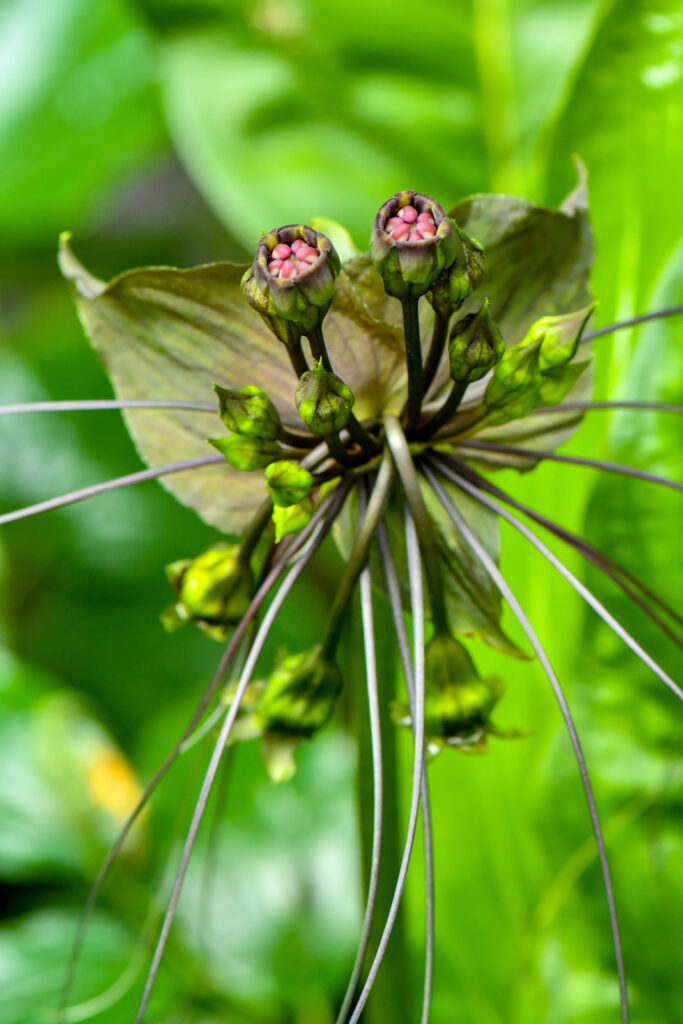
The Black Bat Flower looks like something out of a fantasy novel, with bat-shaped black blooms and long, whisker-like bracts that can reach up to 28 inches. It thrives in warm, humid conditions and brings dramatic, gothic elegance to shaded spots.
- Prefers bright, indirect light or dappled shade
- Needs consistently moist, well-draining soil
- Enjoys high humidity and warm temperatures
- Ideal for containers on shaded patios or indoors
To keep this plant happy, mimic a tropical understory: no harsh sun, no soggy roots, and regular misting if you’re in a dry climate. Feed lightly during the growing season for the best blooms.
Action tip: Place the Black Bat Flower in a large pot with a peat-based mix, keep it in bright but indirect light, and run a small humidifier nearby if your home is dry.
2. Hens and Chicks (Sempervivum varieties)
Hens and Chicks are rosette-forming succulents that look like living mandalas scattered across your garden. They come in unusual shapes and colors, from dusty blues to burgundy-tipped greens.
- Extremely drought-tolerant and low-maintenance
- Perfect for rock gardens, borders, and containers
- Spread naturally by producing baby rosettes (the “chicks”)
- Many varieties change color with the seasons
Plant them in gritty, well-draining soil and avoid overwatering to prevent rot. Mix several cultivars together to create a textured, tapestry-like look in even the smallest spaces.
Action tip: Fill a shallow pot with cactus mix, tuck in multiple Sempervivum varieties, and place it in a sunny spot to create a unique, low-care centerpiece.
3. Passion Flower (Passiflora incarnata and hybrids)
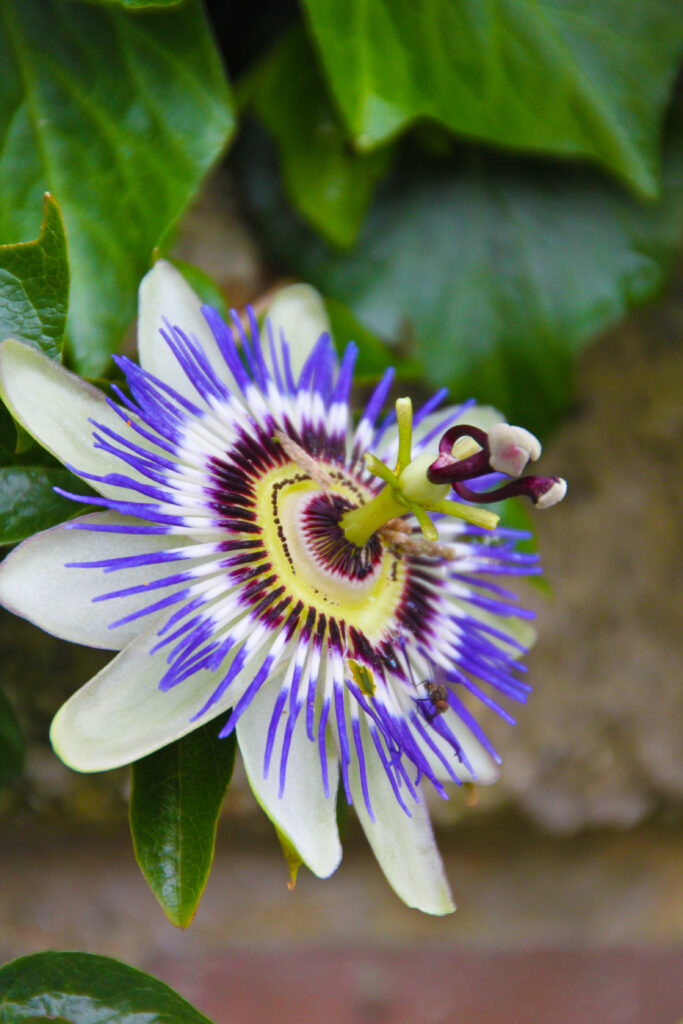
Passion Flowers look intricate and exotic, with layered petals, filaments, and vibrant colors that resemble tiny alien worlds. Many varieties are also fragrant and attract pollinators like butterflies and bees.
- Best grown on trellises, fences, or arches
- Prefers full sun to light shade and well-draining soil
- Some varieties are hardy; others need protection from frost
- Can be grown in containers and overwintered indoors in cold climates
Give passion flower a sturdy support from the start, as it’s a vigorous climber once established. Water regularly during the growing season and prune lightly to keep it within bounds and encourage fresh growth.
Action tip: Install a trellis on a sunny wall, plant a passion flower at the base, and train the vines weekly for a vertical display of unique blooms.
4. Love-in-a-Mist (Nigella damascena)
Love-in-a-Mist is a delicate annual with feathery foliage and star-shaped flowers that seem to float in a cloud of greenery. Its whimsical look makes it perfect for cottage gardens and informal borders.
- Easy to grow from seed directly in the garden
- Prefers full sun and average, well-draining soil
- Self-seeds lightly, coming back year after year in many climates
- Produces ornamental seed pods great for dried arrangements
Sow seeds early in spring where you want them to bloom, as this plant does not transplant well. Scatter them in patches for a natural look, and avoid overly rich soil, which can lead to floppy growth.
Action tip: Broadcast Nigella seeds over a sunny border in early spring, lightly rake them in, and let them naturalize for an effortless, airy display.
5. Spider Flower (Cleome hassleriana)
Spider Flower is a tall, airy annual with spidery blooms and long stamens that create a firework-like effect in the garden. It adds height, movement, and a slightly wild look to flower beds.
- Grows best in full sun with moderate watering
- Can reach 3–5 feet tall, making it a striking backdrop plant
- Attracts pollinators such as bees, butterflies, and hummingbirds
- Tolerant of heat and less-than-perfect soil
Direct sow seeds after the last frost or plant nursery starts once the soil has warmed. Pinch back young plants to encourage bushier growth, and give them space so air can circulate around the stems.
Action tip: Plant Spider Flower in groups of three or five at the back of a sunny border to create a vertical, sculptural focal point.
Conclusion
Choosing unique flowers transforms your garden from ordinary to unforgettable, adding drama, texture, and curiosity to every corner. From the mysterious Black Bat Flower to the airy charm of Love-in-a-Mist, each of these plants offers something special while still being manageable for home gardeners.
Start by picking one or two varieties that match your climate and available space, then build from there as your confidence grows. With a little experimentation, your garden can become a one-of-a-kind sanctuary that delights guests and gives you something new to admire every time you step outside.