21 Easy Wildflower Ideas for a Buzzing, Beautiful Garden!
Want a garden that looks amazing, helps out the bees, and doesn’t demand all your free time? Wildflowers are your secret weapon! They’re tough, pretty, and usually don’t cost an arm and a leg. Here are 21 fantastic ideas, focusing on why they’re great for you and your garden.
This post may contain affiliate links. For more information, please see our disclaimer.
1. Purple Coneflower (Echinacea purpurea)
Why it’s awesome: This one’s a superstar! Big, purple-pink daisy-like flowers look stunning and last a long time. Bees, butterflies, and even birds love them. Plus, once they’re settled in, they barely need water. Super tough and pretty!
2. Black-Eyed Susan (Rudbeckia hirta)
Why it’s awesome: Instant sunshine! These bright yellow flowers with dark centers just make you happy. They’re easy to grow and will often pop up again year after year on their own. Great for sunny spots and bringing in pollinators.
3. Blanket Flower (Gaillardia pulchella)
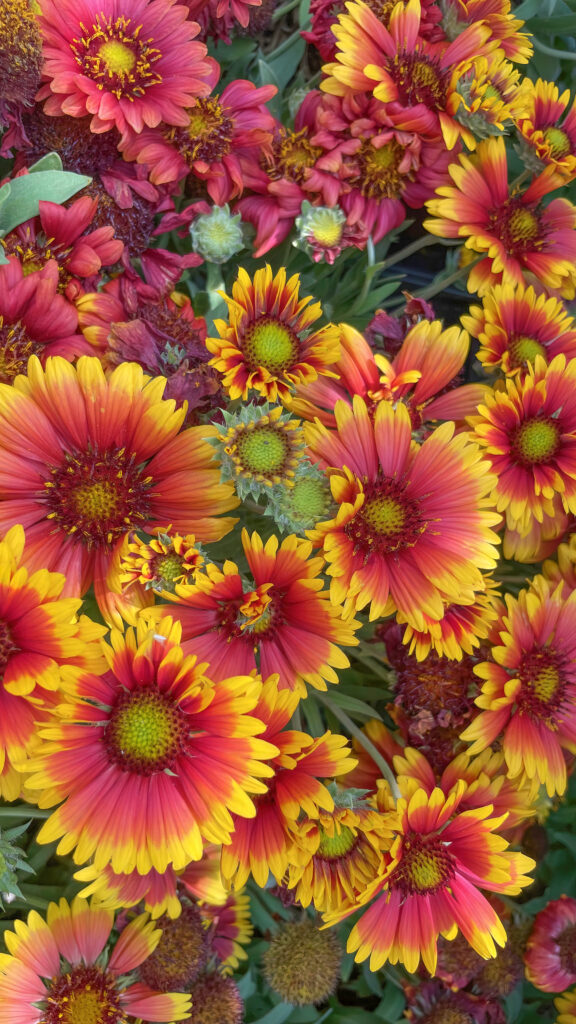
Why it’s awesome: Imagine a sunset in your garden – that’s Blanket Flower! It has fiery red, orange, and yellow petals. Perfect for super hot, sunny places where other plants might wilt. It’s also very drought-friendly and doesn’t care about bad soil.
4. Wild Bergamot (Monarda fistulosa)
Why it’s awesome: Also called Bee Balm, this one has funky, spiky purple or pink flowers that bees and hummingbirds go wild for. It smells amazing if you brush past it, and it’s pretty chill about where it grows – sun or part shade, and most soils are fine.
5. Butterfly Milkweed (Asclepias tuberosa)
Why it’s awesome: If you want Monarch butterflies, you NEED this! It has bright orange flowers that stand out and it’s a crucial food source for Monarch caterpillars. This kind of milkweed is well-behaved and won’t spread everywhere. Plant it in sun and good draining soil.
6. Common Yarrow (Achillea millefolium)
Why it’s awesome: This plant is like the garden’s best friend – super tough and versatile. It has flat clusters of tiny white (sometimes pink or yellow) flowers. It handles dry, poor soil like a champ, and lots of tiny bugs love its blooms.
7. Coreopsis (Coreopsis lanceolata)
Why it’s awesome: Get ready for a ton of bright yellow, daisy-like flowers that just keep blooming, often all summer long! It’s really easy to grow in sun and good draining soil, making it perfect for filling out beds or meadows with cheerful color.
8. Lanceleaf Coreopsis (Coreopsis lanceolata)
Why it’s awesome: Another great Coreopsis, known for its sunny yellow flowers that create a sea of color. Bees and butterflies are big fans. It’s excellent for just letting it do its thing and spread a bit, giving you a lovely, natural look.
9. Wild Lupine (Lupinus perennis)
Why it’s awesome: These tall, stunning spikes of blue-purple flowers are just gorgeous and add a lot of drama. They also help a special butterfly (the Karner Blue) survive. They like sun and sandy soil. Takes a little patience but worth the effort!
10. Ohio Spiderwort (Tradescantia ohiensis)
Why it’s awesome: It has unique, deep blue or purple flowers with three petals that open in the morning. Super adaptable, it can grow in sun or some shade and different soil types. It’s a hardy plant that attracts small bees.
11. New England Aster (Symphyotrichum novae-angliae)
Why it’s awesome: When most things are fading, this plant explodes with purple, pink, or white flowers in late summer and fall. It’s a lifesaver for Monarch butterflies on their long journey! It likes sun and moist soil.
12. Great Blue Lobelia (Lobelia siphilitica)
Why it’s awesome: This one has amazing, intense blue flower spikes that hummingbirds adore. It loves wet spots and some shade, so it’s perfect for those tricky damp areas in your garden where nothing else seems to grow well.
13. Columbine (Aquilegia canadensis)
Why it’s awesome: With its quirky, dangling red and yellow flowers, Columbine adds a touch of magic to shady spots. Hummingbirds are huge fans! It’s easy to grow and will often pop up in new places on its own.
14. Wild Geranium (Geranium maculatum)
Why it’s awesome: This plant gives you lovely lavender-pink flowers in spring and forms a nice carpet of green leaves. Great for shady areas and keeping weeds down. It’s also an early snack for sleepy pollinators.
15. Virginia Bluebells (Mertensia virginica)
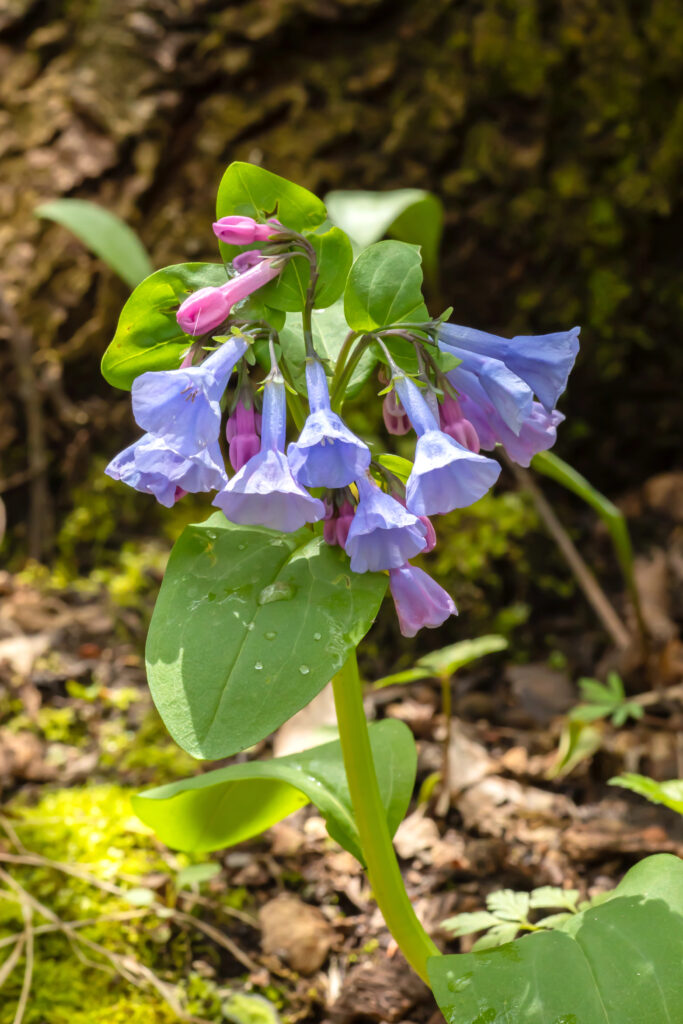
Why it’s awesome: These are spring superstars! They start as pink buds and open into gorgeous sky-blue bell-shaped flowers. They love shady, moist spots. Once they bloom, they disappear for the summer, making room for other plants.
16. False Indigo (Baptisia australis)
Why it’s awesome: This is a big, beautiful plant that looks like a small bush, covered in tall spikes of deep blue flowers in late spring. It lives for ages and hardly needs any care once established. It also helps butterflies and just looks grand!
17. Partridge Pea (Chamaecrista fasciculata)
Why it’s awesome: A cute annual with bright yellow, cup-shaped flowers that bloom a lot in late summer. It actually helps make your soil better and attracts small bees. A sweet addition for natural, sunny areas.
18. Hoary Vervain (Verbena stricta)
Why it’s awesome: Tall, skinny spikes of purple flowers from summer into fall make this plant stand out. It’s super tough, thriving in full sun and dry, poor soil. A great vertical accent and a good food source for many bugs.
19. Culver’s Root (Veronicastrum virginicum)
Why it’s awesome: This plant is all about elegance! It has tall, striking white or pale pink flower spikes that look like candles. It adds height and class to your garden, loves sun to part shade, and bees and butterflies really like it.
20. Wild White Indigo (Baptisia alba)
Why it’s awesome: Like its blue cousin, this one is tough, long-lived, and easy, but it gives you beautiful white flower spikes. It brings a calm, clean look to your garden, thrives in sun, and also helps out local insects.
21. Eastern Redbud (Cercis canadensis)
Why it’s awesome: Okay, this is a small tree, but it acts like a giant wildflower! In early spring, before any leaves show up, it bursts into amazing pink-purple flowers right on its branches. It’s an early feast for bees and gives your garden awesome structure all year.