Low FODMAP foods — the complete guide to what helps digestion
Bloating. Cramps. That uncomfortable, heavy feeling that makes you want to live in pairs of loose joggers forever. If your gut is constantly playing up, you’ve likely stumbled across the term “FODMAP” while doing a desperate late-night search on Google.
This post may contain affiliate links and is not intended as medical advice. For more information please see our disclaimer.
At first glance, it looks like a typo, and the actual meaning sounds like a chemistry lecture. But once you get past the jargon, it is arguably the most effective tool we have for calming an angry digestive system.
If you are sick of guessing which meals will trigger a flare-up, here is your definitive, fluff-free guide to understanding FODMAPs and what you can safely put in your supermarket trolley.
Right, what actually is a FODMAP?
FODMAP is an acronym for a specific group of short-chain carbohydrates and sugar alcohols. The name stands for Fermentable Oligosaccharides, Disaccharides, Monosaccharides, and Polyols.
In plain English? These are types of sugars that your small intestine can struggle to absorb properly. Instead of digesting smoothly, they travel down to your large intestine, where your gut bacteria feast on them. This fermentation process creates gas, pulls water into your bowel, and causes the classic symptoms of Irritable Bowel Syndrome (IBS).
The tricky bit: Healthy foods can be triggers
The most frustrating thing about FODMAPs is that they hide in incredibly healthy ingredients. You could be eating a homemade vegetable soup thinking you are doing your body a massive favour, whilst inadvertently triggering terrible bloating.
High-FODMAP foods aren’t “bad” foods; they are just difficult for sensitive guts to process. The main culprits include:
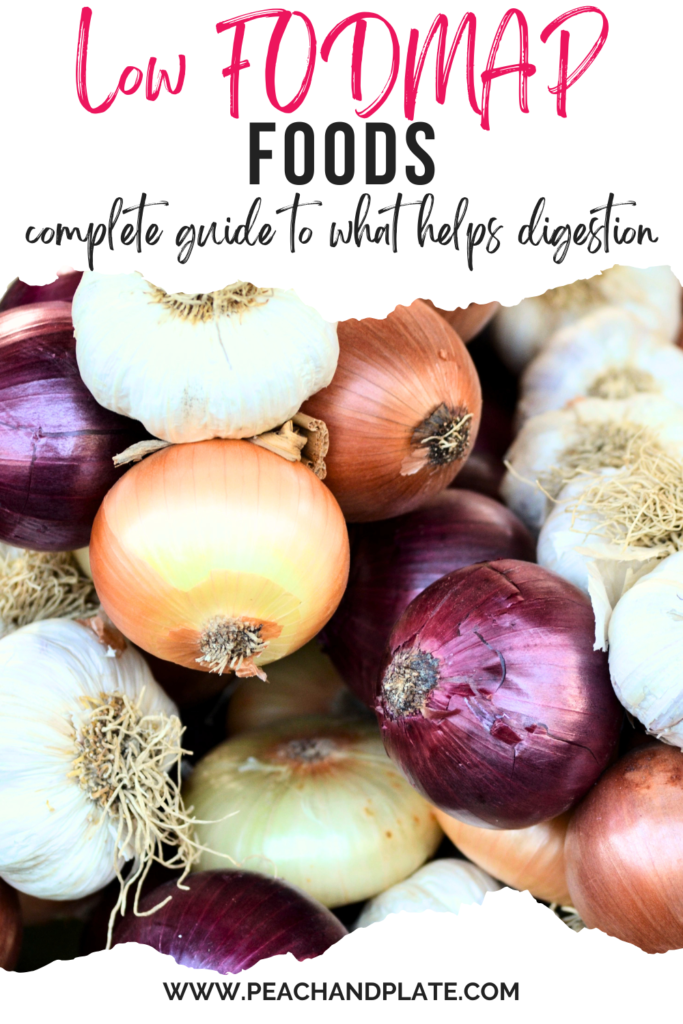
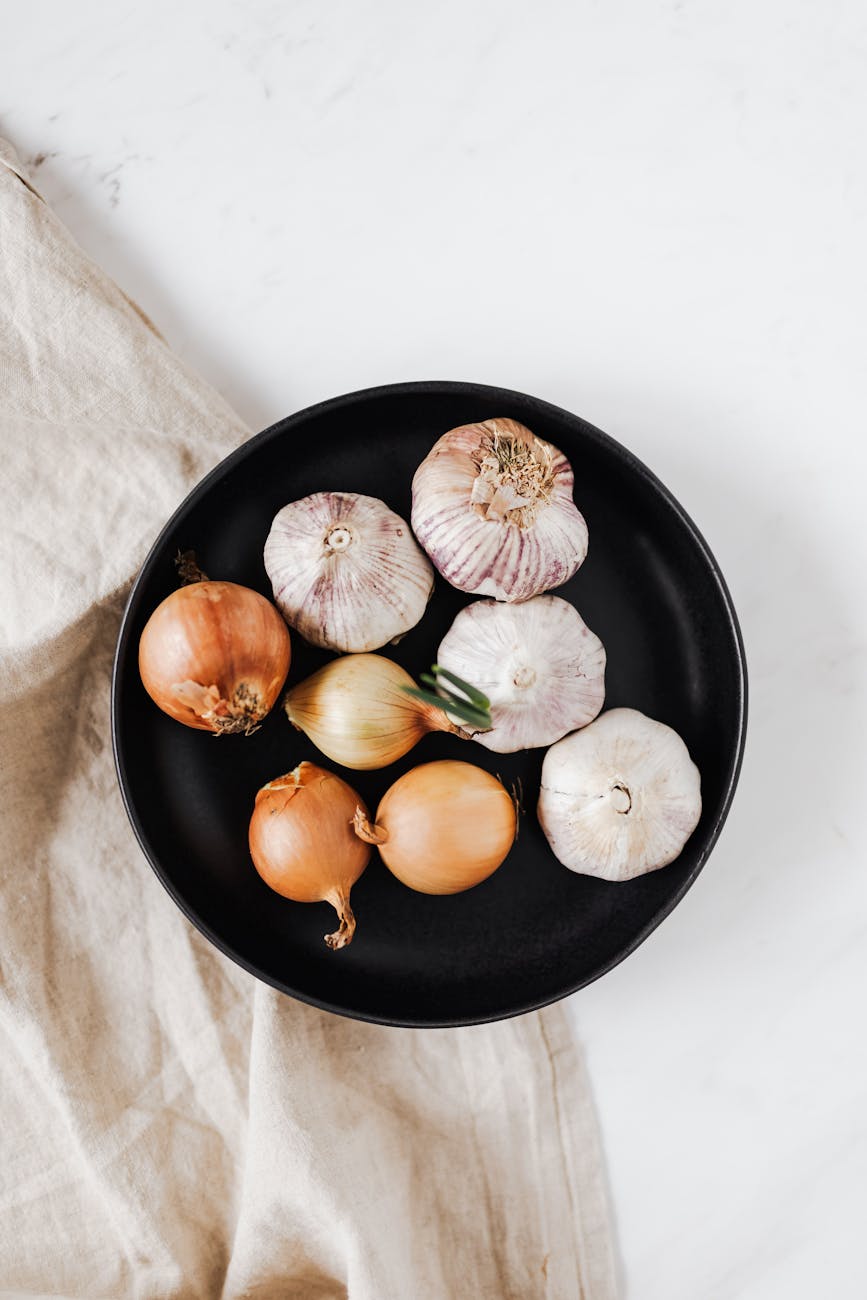
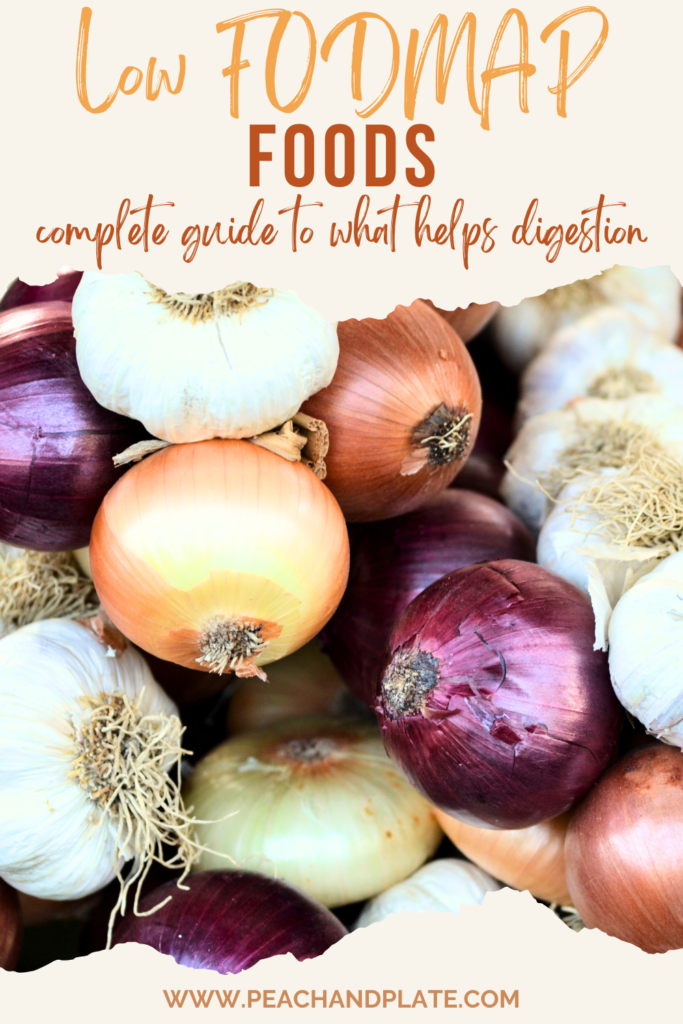
- Fructans & GOS: Garlic, onions, wheat, barley, rye, and baked beans.
- Lactose: Cow’s milk, soft cheeses, and yoghurt.
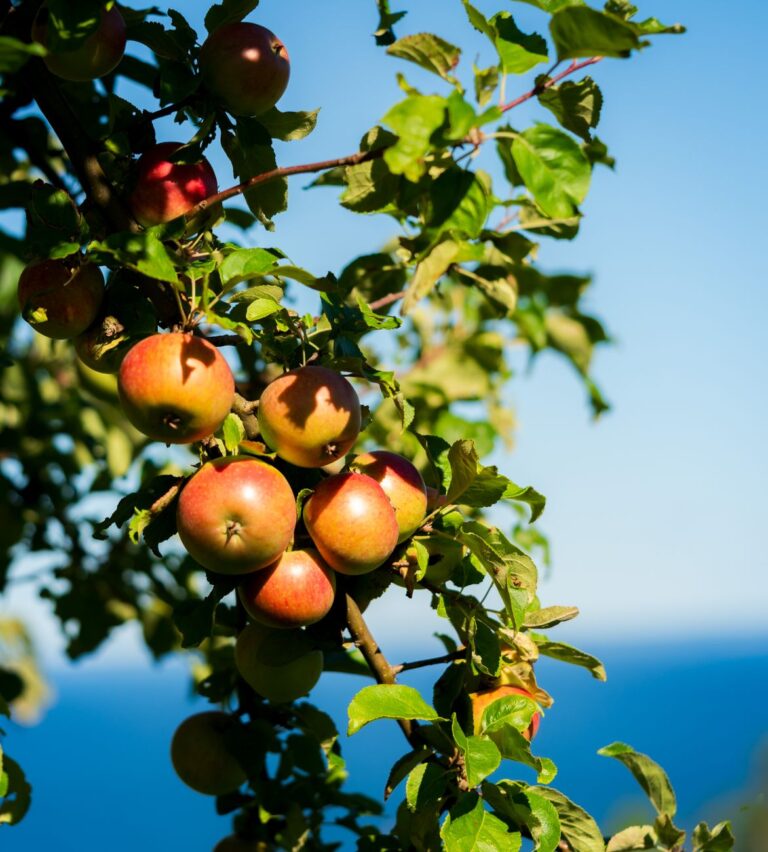
- Fructose: Apples, pears, honey, and high-fructose corn syrup.
- Polyols: Mushrooms, cauliflower, blackberries, and sugar-free chewing gum (xylitol).
The Green List: What you can actually eat
Shifting to a low-FODMAP diet can feel a bit restrictive at first, but there is still plenty of fantastic food you can enjoy. You also might know that it might just be certain sugars that you are sensitive to. The FODMAP diet is meant to be an elimination diet, as in you take ingredients out of your diet, then with the idea of seeing if you need to address other deep underlying gut issues to then re-introduce those foods later on gradually.
When working with a professional either functional nutritionist or dietician, some of the deep underlying issues with gut issues can be: (I’m not medically trained, I use to have terrible IBS so this isn’t an extensive list just from my personal experience of things I’ve learnt about).
- low stomach acid
- bacteria imbalance
- low enzyme production
- leaky gut.
- I was even suggested by a nutritionist that my family could be low in certain enzymes because potentially of genetics (they didn’t seem sure, so from what I can see humans are still trying to learn all there is to know about digestion.)
- mold exposure
- antibiotic use
- candida
- SIBO
Here is your shopping list of gut-friendly staples that are naturally easy on the stomach.
The Green List: What you can actually eat
Shifting to a low-FODMAP diet can feel a bit restrictive at first, but there is still plenty of fantastic food you can enjoy. Here is your extended shopping list of gut-friendly staples that are naturally easy on the stomach.
1. Proteins (Naturally zero-FODMAP)
Pure protein doesn’t contain carbohydrates, meaning plain meat and fish are completely safe zones for your gut.
- Meat & Poultry: Beef, lamb, pork, chicken, turkey, and duck. (Just ensure they aren’t pre-marinated in garlic or onion powder).
- Fish & Seafood: Salmon, cod, tuna, trout, prawns, crab, and mussels.
- Eggs: Poached, scrambled, or boiled—any way you like them.
- Plant-Based Protein: Firm tofu (drain the water well first) and tempeh.
2. Vegetables (Keep to safe portions)
You don’t have to give up greens. Swap out the heavy hitters for these easy-to-digest alternatives:
- Salad leaves: Spinach, rocket, lettuce, cucumber, and radishes.
- Root veg: Carrots, parsnips, swedes, turnips, and white potatoes.
- Greens: Broccoli florets (keep stalks small), courgette (up to 65g), green beans, kale, and bok choy.
- Mediterranean veg: Aubergine (eggplant), red bell peppers, and common tomatoes.
- The onion swap: Use the green tops of spring onions or chives to get that savoury flavour without the pain.
3. Carbs & Grains
You can absolutely keep eating carbs; you just need to avoid the wheat.
- Grains: Oats (brilliant for morning porridge), quinoa, millet, polenta, and white, brown, or basmati rice.
- Pasta: Gluten-free pasta varieties (made from rice, corn, or quinoa) while doing elimination.
- Bread: Authentic sourdough bread made from wheat or spelt is often tolerated well because the fermentation process breaks down the fructans. Gluten-free bread is also safe.
- Crackers & Snacks: Plain rice cakes, gluten-free crackers, and plain popcorn.
4. Dairy & Alternatives
You can still have your morning cuppa; just swap out the standard milk.
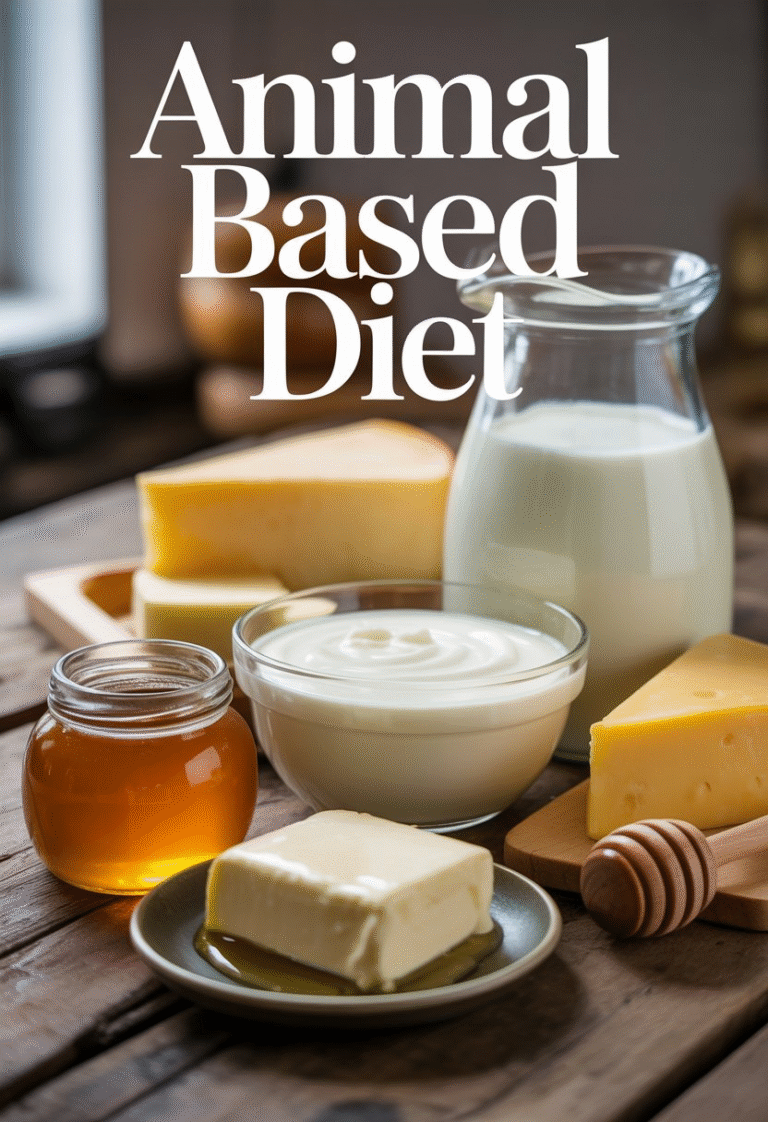
- Lactose-free: Lactose-free cow’s milk, lactose-free yoghurt, and real butter (which is naturally very low in lactose).
- Hard cheese: Mature Cheddar, Red Leicester, Parmesan, Swiss, and Gouda.
- Soft cheese limits: Small portions of soft cheeses like Brie and Camembert are also low enough in lactose to enjoy.
- Plant milks: Almond milk, macadamia milk, or rice milk (check the packaging for any cheeky high-FODMAP thickeners like inulin).
5. Flavor Boosters, Herbs & Spices (The secret to taste)
Ditching onion and garlic doesn’t mean eating bland food. You can build incredible flavour using these gut-safe options:
- The Essentials: Pure sea salt and cracked black pepper are completely safe and contain zero FODMAPs.
- Oils: Garlic-infused olive oil (the fructans in garlic don’t dissolve in oil, so you get the flavour without the gut issues).
- Dried Spices: Cumin, turmeric, paprika, ginger, cinnamon, coriander seeds, and a pinch of asafoetida powder (which mimics the taste of fried onions).
- Fresh Herbs: Basil, fresh coriander, parsley, rosemary, thyme, dill, and mint.
- Condiments: Soy sauce or tamari, fish sauce, Dijon mustard, mayonnaise, and a squeeze of fresh lemon or lime juice.
How to use this guide without losing your mind
The low-FODMAP approach is not a permanent, lifelong diet. It is a three-step process: Elimination, Reintroduction, and Personalisation.
You cut out the high-FODMAP triggers for 2 to 6 weeks until your gut completely settles down. Then, you methodically reintroduce one food group at a time to figure out your specific triggers. You might find that garlic sends your stomach into a frenzy, but you can handle an apple or a bowl of pasta perfectly fine.
Ditching onions and garlic is a proper chore in cooking or eating out, but the payoff of a calm, un bloated, pain-free stomach is entirely worth it.