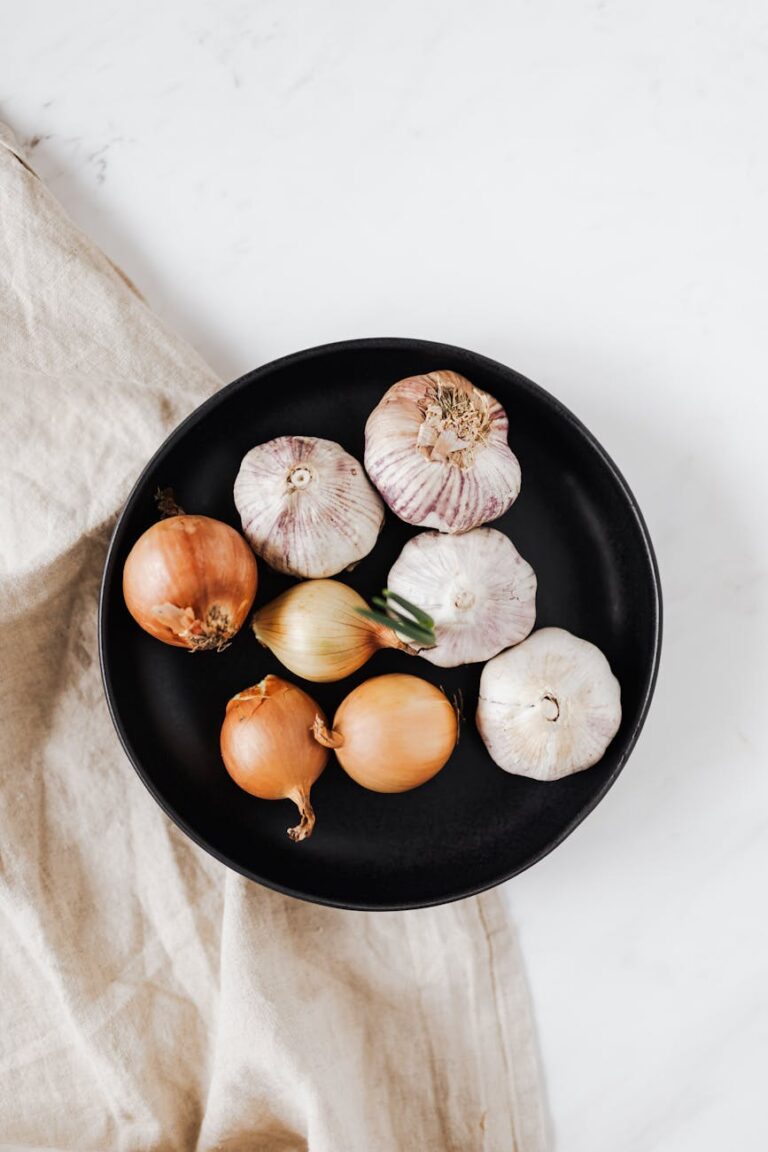
Low oxalate foods list — what to eat for kidney and gut health
A low-oxalate diet is increasingly recognized as a vital tool for managing kidney health and improving digestive comfort. High levels of oxalates—natural compounds found in many plant foods—can bind with calcium in the urinary tract, leading to the formation of painful kidney stones. For individuals with compromised gut health or conditions like leaky gut, oxalates can be absorbed in higher amounts, exacerbating inflammation and physical discomfort.
This post may contain affiliate links and is not intended as medical advice. For more information please see our disclaimer.
Transitioning to a low-oxalate diet does not mean sacrificing flavor or variety. By focusing on nutrient-dense, low-oxalate alternatives, you can support your kidneys, soothe your digestive system, and maintain a vibrant, satisfying diet.
Low Oxalate Foods List — What to Eat for Kidney and Gut Health
When you first hear about a low-oxalate diet, it can feel incredibly restrictive. Many foods traditionally praised as health foods—like spinach, almonds, and sweet potatoes—are actually some of the highest oxalate culprits on the planet.
If you are trying to prevent calcium oxalate kidney stones or settle a sensitive digestive system, shifting your focus to low-oxalate alternatives is a game-changer. This guide breaks down exactly what to put on your plate to optimize both kidney and gut health without sacrificing flavor.
Why Oxalates Matter for Your Kidneys and Gut
Oxalates are naturally occurring compounds found in plants, used as a defense mechanism against pests. In a healthy body with a robust microbiome, specific gut bacteria (like Oxalobacter formigenes) break down these compounds before they can cause trouble.
However, if your gut health is compromised due to antibiotics, inflammation, or leaky gut, your body absorbs far more oxalates than it should. These excess oxalates travel through the bloodstream to the kidneys. When they bind with calcium in the urine, they form sharp, painful calcium oxalate crystals—the most common type of kidney stone.
By lowering your oxalate intake, you reduce the workload on your kidneys and decrease potential irritation in the gut lining.
The Ultimate Low-Oxalate Foods List
To keep your meals varied and nutritious, focus on incorporating these delicious, low-oxalate options into your daily routine.
Vegetables
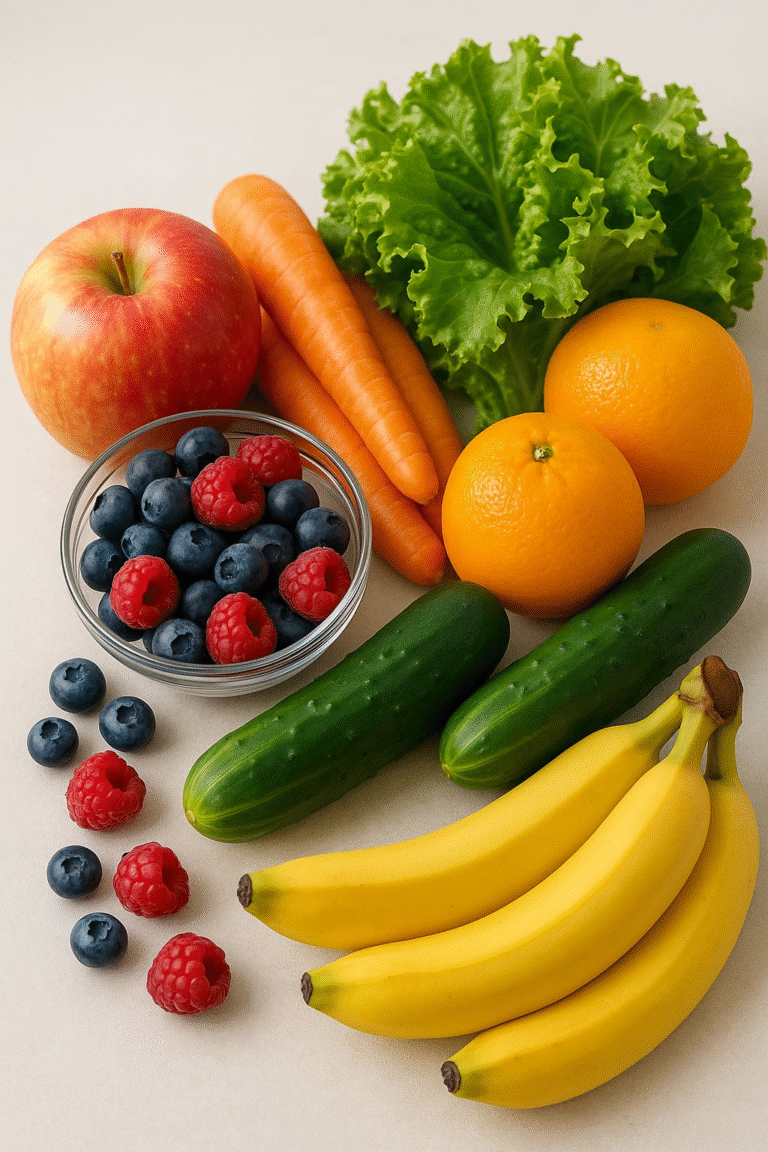
Swap out high-oxalate greens like spinach and Swiss chard for these gut-friendly, low-oxalate alternatives:
- Cruciferous choices: Cauliflower, broccoli florets, and cabbage.
- Salad greens: Arugula (rocket), iceberg lettuce, and romaine lettuce.
- Root veggies & others: Cucumbers, courgettes (zucchini), asparagus, and radishes.
Fruits
Many fruits are naturally low in oxalates and packed with antioxidants that support kidney function:
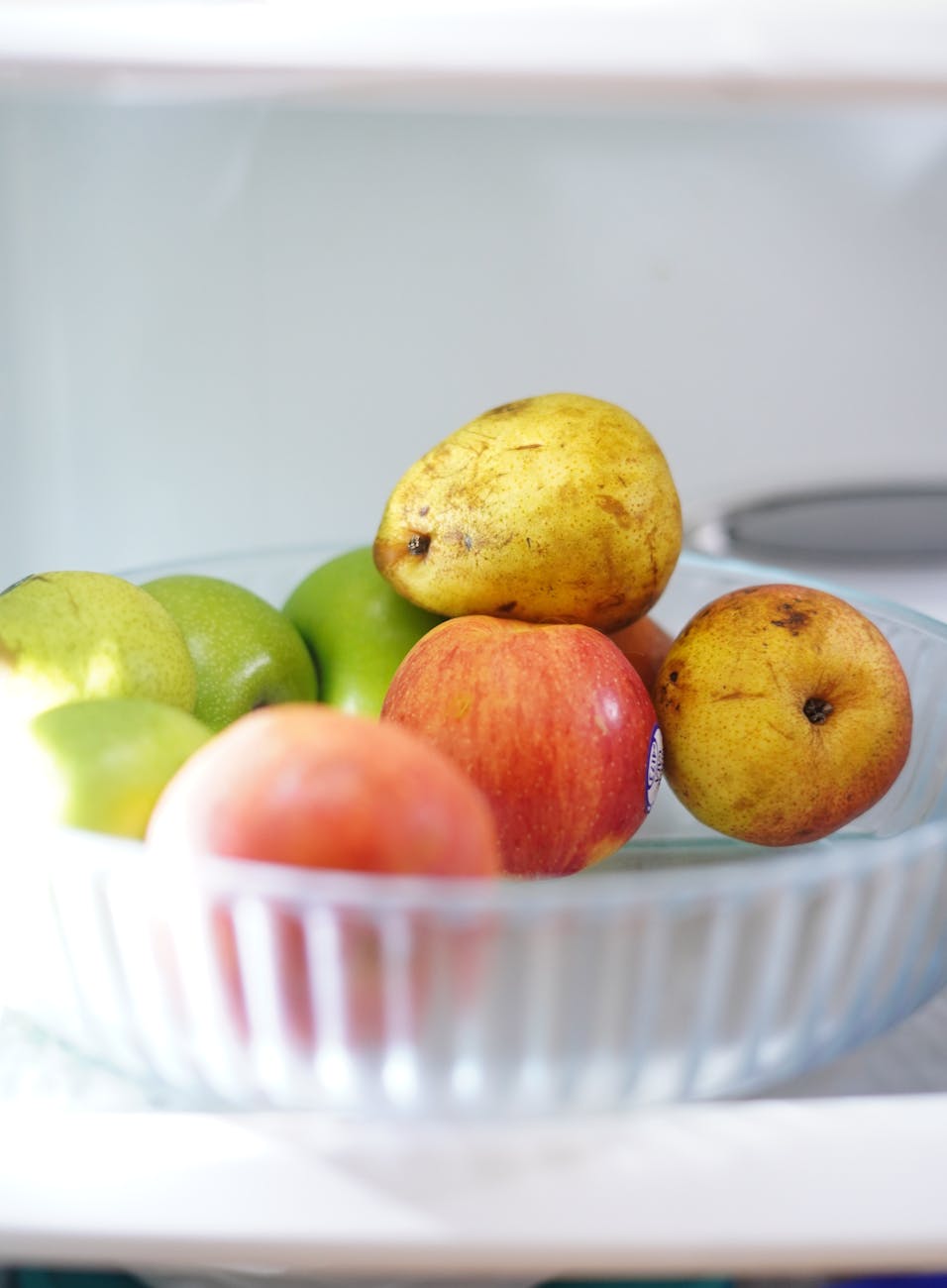
- Orchard fruits: Apples, pears, and plums.
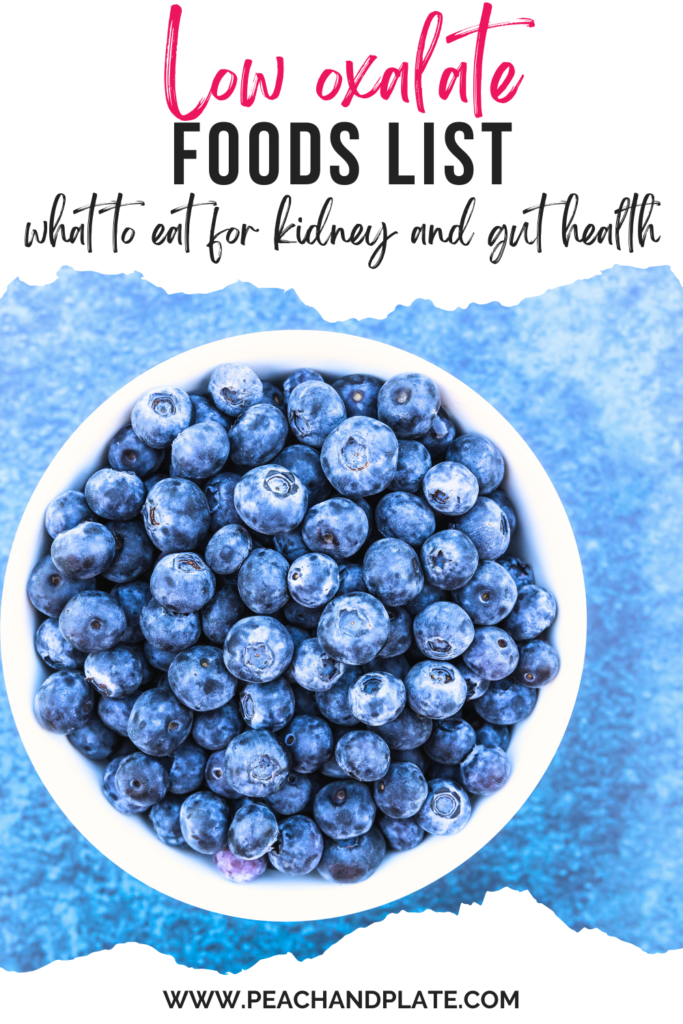
- Berries & citrus: Blueberries, blackberries, lemons, and limes.
- Tropical options: Bananas, melons (watermelon, cantaloupe), and mangoes.
Proteins
Animal proteins contain virtually no oxalates, making them safe options for kidney and gut health. Opt for high-quality, easily digestible sources:
- Poultry & meat: Chicken, turkey, beef, and lamb.
- Seafood: Fresh wild-caught fish, such as salmon, cod, and haddock.
- Eggs: Highly bioavailable and completely oxalate-free.
Grains and Starches
While whole wheat and bran are exceptionally high in oxalates, you can safely enjoy these alternatives:
- Grains: White rice, wild rice, and oats (in moderate portions).
- Alternative starches: Coconut flour and white potatoes (boiled without the skin reduces oxalates further).
Fats and Dairy
Dairy is a secret weapon on a low-oxalate diet. The calcium in dairy binds to oxalates in the gut, preventing them from reaching your kidneys:
- Dairy staples: Whole milk, Greek yogurt, butter, and hard cheeses (like Cheddar).
- Plant fats: Olive oil, avocado oil, and coconut oil.
Top Tips for Success
- Pair Calcium with Oxalates: If you do choose to eat a moderate-oxalate food, consume it alongside a source of calcium (like a splash of milk or a piece of cheese). The calcium binds to the oxalates in your digestive tract so they are excreted safely through your stool rather than your kidneys.
- Stay Hydrated: Drinking plenty of water is the single most important step for kidney health. It dilutes the concentration of minerals in your urine, making crystal formation much less likely.
- Boil Your Vegetables: Boiling high-oxalate vegetables and discarding the cooking water can significantly reduce their oxalate content, making them safer to consume.
The Bottom Line
Protecting your kidney and gut health doesn’t mean eating a boring diet. By swapping out a few high-oxalate foods for nutrient-rich alternatives like cauliflower, berries, and high-quality proteins, you can protect your urinary tract and give your gut the break it deserves.