Why Less Fibre Helped My Digestion — Easily Digestible Foods That Are More Gentle
We are constantly told to eat more fibre. From crisp bran flakes to massive kale salads, the standard health advice implies that if your digestion is struggling, a massive dose of roughage is the ultimate cure.
This post may contain affiliate links and is not intended as medical advice. For more information please see our disclaimer.
But for some of us, that advice backfires spectacularly.
If you suffer from a sensitive gut, bloating, or conditions like Irritable Bowel Syndrome (IBS) and Small Intestinal Bacterial Overgrowth (SIBO), overloading on fibre can feel like pouring petrol on a fire. Here is why stepping back from the fibre hype completely transformed my digestion, and the low-residue, easily digestible foods that actually work.
The Dark Side of ‘Healthy’ Fibre
Fibre is essentially the indigestible part of plant foods. While it can be fantastic for a robust, completely healthy gut, it poses two major issues for a sensitive digestive system:
- Mechanical Irritation: Insoluble fibre (found in whole grains, nuts, and raw leafy greens) acts like a coarse brush scraping against an already inflamed or sensitive gut lining.
- Excessive Fermentation: Soluble fibre and prebiotic carbohydrates (like those in beans, onions, and garlic) feed your gut bacteria. When these bacteria ferment the fibre, they produce gas. If your gut motility is sluggish or you have an imbalance of bacteria, this leads to painful trapping of gas, severe bloating, and unpredictable bowel habits.
By temporarily lowering my fibre intake, I gave my overworked digestive tract a chance to rest, heal, and reset.
Easily Digestible Foods That Actually Work
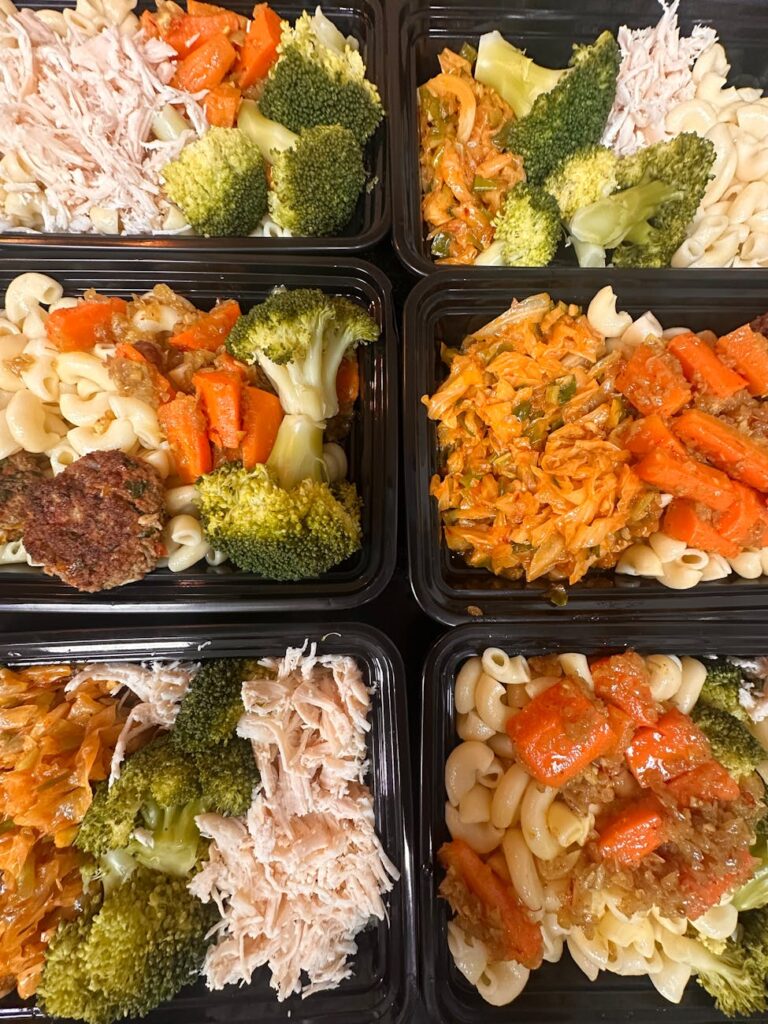
Shifting to a low-fibre or low-residue diet does not mean eating processed junk food. It means choosing nutrient-dense foods that your stomach and small intestine can break down easily, leaving very little waste to ferment further down.
Gentle Proteins
Protein contains zero fibre and is highly bioavailable, making it incredibly gentle on an inflamed gut:
- Poultry: Skinless chicken breast and turkey are excellent, lean, and very easy to digest.
- White Fish: Cod, haddock, and plaice are exceptionally light on the stomach.
- Eggs: Poached, boiled, or scrambled eggs provide top-tier nutrition with absolutely zero digestive strain. (I was told fried eggs are harder to eat due to certain bits getting well cooked and tougher)
Well-Cooked, Low-Fibre Vegetables
You do not have to give up veg entirely. The secret is choosing low-fibre varieties and cooking them until they are incredibly soft, which effectively does some of the digestive work for you:
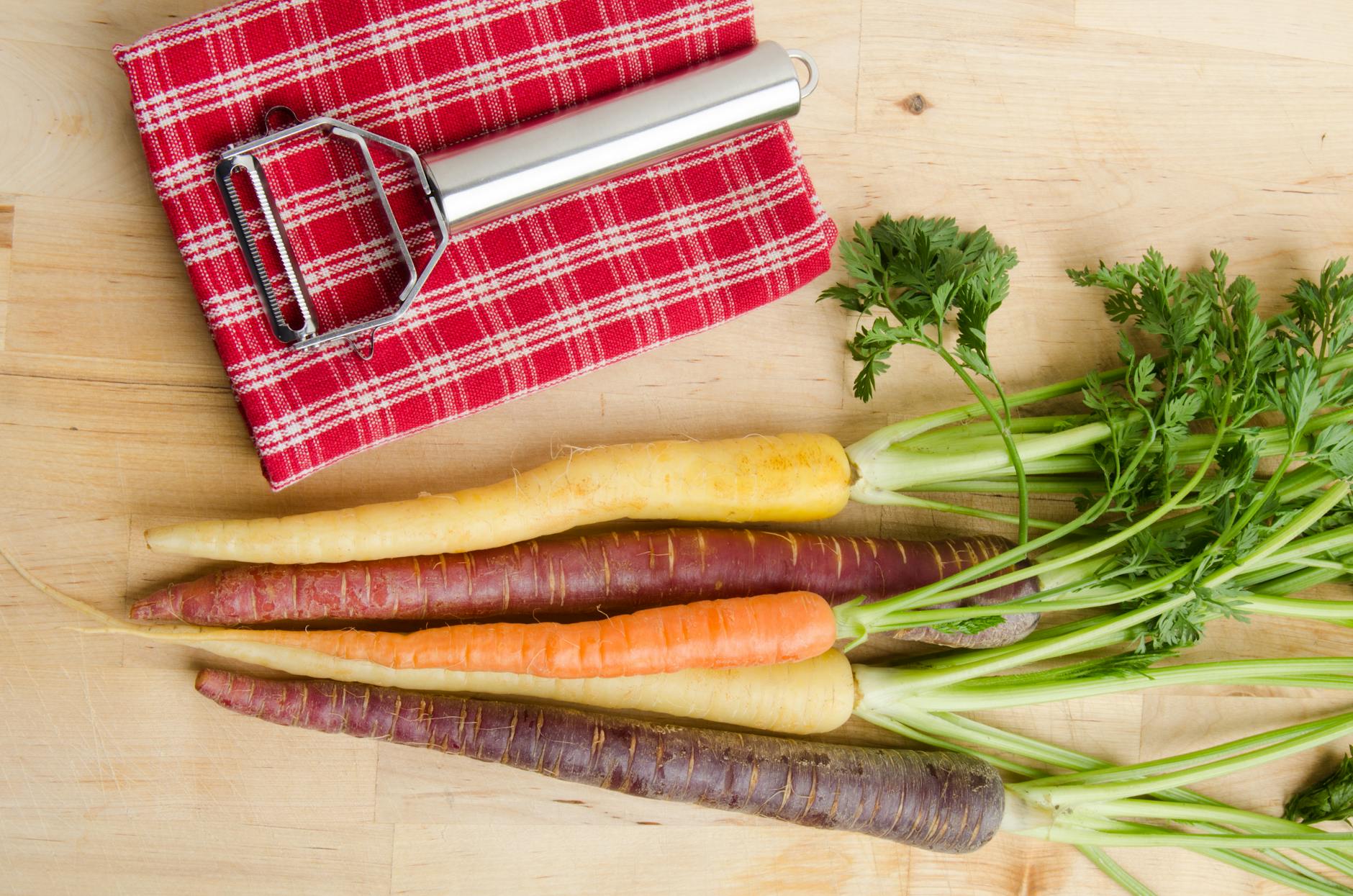
- Root Vegetables: Carrots and parsnips (peeled and boiled until tender).
- Squashes: Courgettes (zucchini) with the skins and seeds removed, or well-cooked butternut squash.
- Purees: Pumpkin puree or smooth vegetable soups.
Low-Fibre Starches
Swap out the brown rice and wholemeal bread for white alternatives that are rapidly absorbed higher up in the digestive tract:
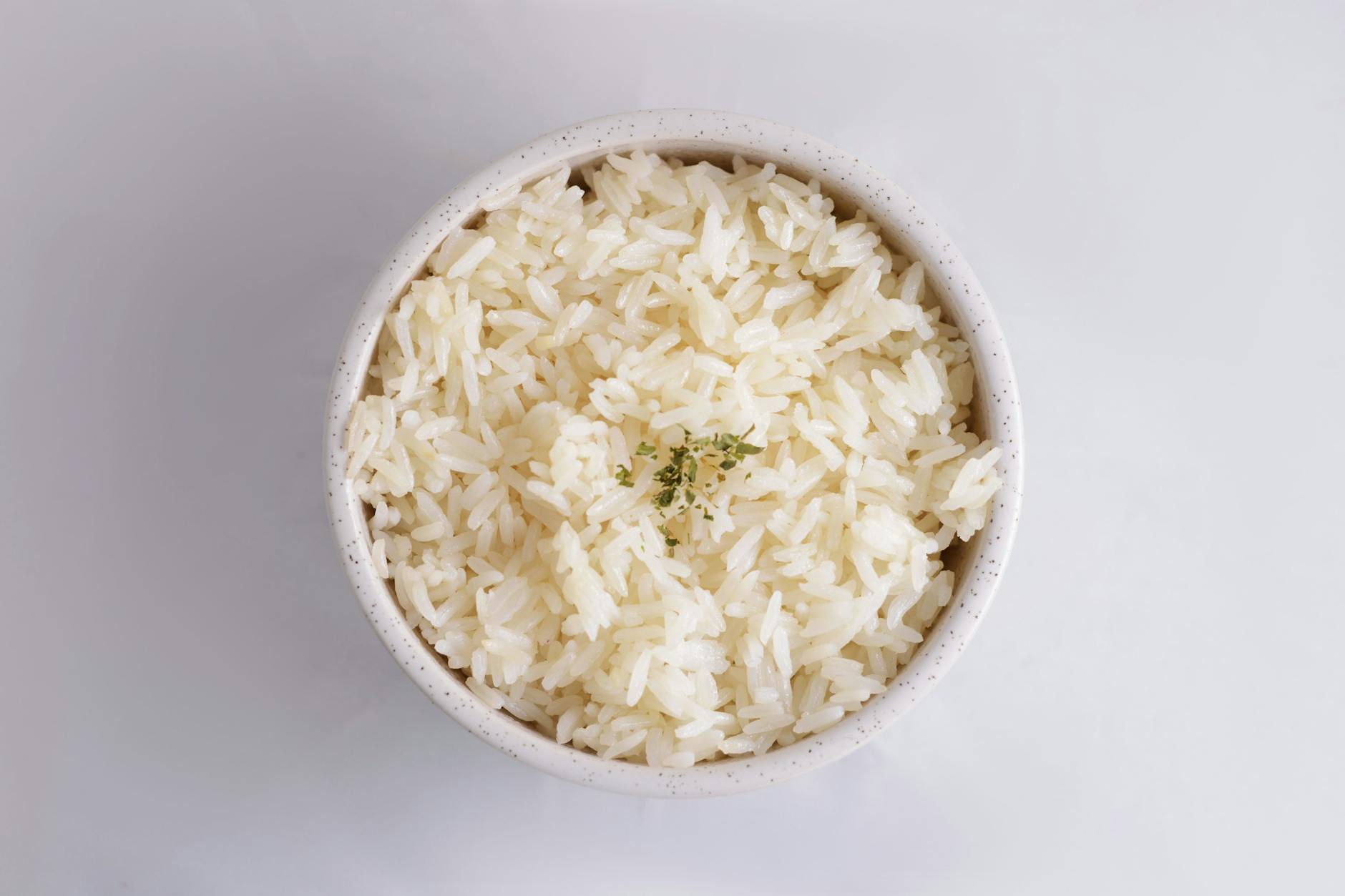
- White Rice: Jasmine or Basmati rice are incredibly easy on the gut.
- Sourdough: Real, traditional white sourdough bread is often well-tolerated because the fermentation process breaks down difficult-to-digest starches before you even take a bite.
- Potatoes: White potatoes, peeled and thoroughly mashed or boiled.
Healthy Fats
Fats provide concentrated energy without the bulk of fibre, helping to keep you full and satisfied:
- Oils: Extra virgin olive oil, avocado oil, and coconut oil.
- Ghee or Butter: Pure fats that contain minimal dairy proteins or sugars, making them incredibly soothing.
How to Successfully Lower Your Fibre
If you want to try this approach, keep these three simple rules in mind:
- Peel and Deseed: Always remove the skins, peels, and seeds from any fruits or vegetables you eat.
- Cook Thoroughly: Avoid raw foods completely. Steam, stew, boil, or slow-cook your food until it is soft enough to mash with a fork.
- Chew Until Liquid: Your stomach does not have teeth. Digestion starts in the mouth, so chew every single bite thoroughly to reduce the workload on your gut.
The Bottom Line
A low-fibre diet does not have to be a permanent lifestyle choice, but it can be a powerful therapeutic tool. By prioritising easily digestible, nutrient-rich foods, you can quieten the bloating, calm the inflammation, and finally give your gut the break it desperately needs.
When I was suffering terrible IBS, another tip I got was I noticed I would have to snack all the time, and if I got hungry then ate I would get so bloated. I was told my digestion being compromised was most likely the reason. So to try to avoid that if I started to eat I would take one bite, then wait for my stomach enzymes to kick in (they thought maybe if I didn’t eat before starving the enzymes would lower so they were too low once I ate but I don’t know if that’s true, next paragraph I talk about what it most likely was for me), a few minutes then eat another mouth full and so on while making sure I chewed my food really well.
For me it appeared to be low stomach acid, but speak with a professional, I found someone who themselves had gone through terrible health and helped themselves so they had learnt from personal experience, but were also professionally trained.
Everyone’s journey will be different I’m not sharing this as medical advice just my personal experience, so please seek professional help before making big lifestyle changes.