Hormone Balancing Foods for Women — What I Eat and Why
If your energy crashes at 3pm, your cycle feels like a rollercoaster, or you’re just tired of feeling off, food is the first place I look. This article is about my personal experience and not medical advice. After I started to get perimenopause systems of hot flushes at night, my sleep started to really get affected that I started to look at what I could do to help reduce them.
This post may contain affiliate links and is not intended as medical advice. For more information please see our disclaimer.
My Personal Story
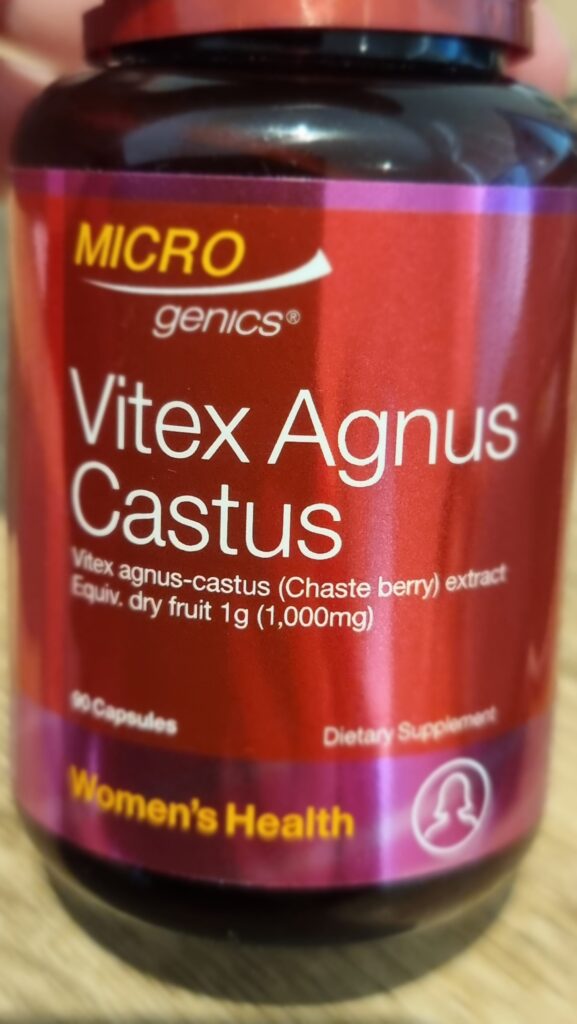
I went to my doctor to have my bloods tested, but was told even if they show as not being in perimenopause that doesn’t mean I wasn’t going through it. I went away with no suggestions so I went to the health food store which I was suggested Vitex, this has basically got rid of my hot flushes at night, and I just take a pill every other day or when I remember. Thank you so much to that lady for sharing this idea.
I started to experience more symptoms like almost arthritis feeling in my joints and sore muscles, it can become so painful. A year later had passed which went very quickly :D, I had my bloods done again but again shows as not in perimenopause. We checked for any auto immune issues, they came back as negative. My doctor suggested I could try HRT, which includes a patch and a pill after going through it with me all the pros and cons, I know for some people they struggle to get HRT approved so I appreciated that my doctor was open to me trying it.
It’s up to you and speaking with your doctor if you choose to try HRT and the pros and cons of it.
Before I try HRT I wanted to see if I could improve my symptoms enough just using every day food due to personal reasons so this is why I wrote this article.
I had spoken to my doctor about alternatives but they said they didn’t have much knowledge so I did do some research online of other people’s experience and thought worth trying. Some places was reddit for people’s personal experiences of using phytoestrogens, I did research people’s experience using HRT too. Dr Axe is another website with a lot of information. Be aware some people might suggest a product because they are trying to promote that product to make money so I was looking for quite a few reviews or some ideas that were suggested in multiply articles.
Again this is a personal decision, for me I felt trying to use foods was a low risk for me to try for the next 3 months.
There are a lot of articles discussing how different cultures experience perimenopause or use to try to improve any symptoms. Here’s one about Japan.
This idea isn’t about restriction. It’s about adding in foods that help my body do what it’s already trying to do: make hormones, detox them, and keep blood sugar steady.
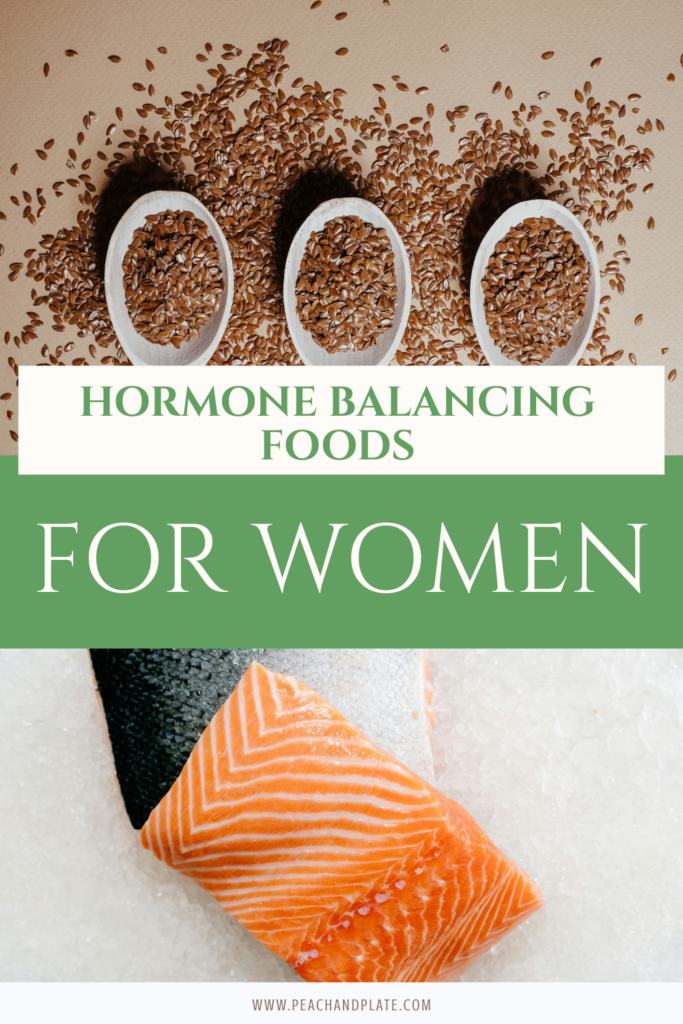
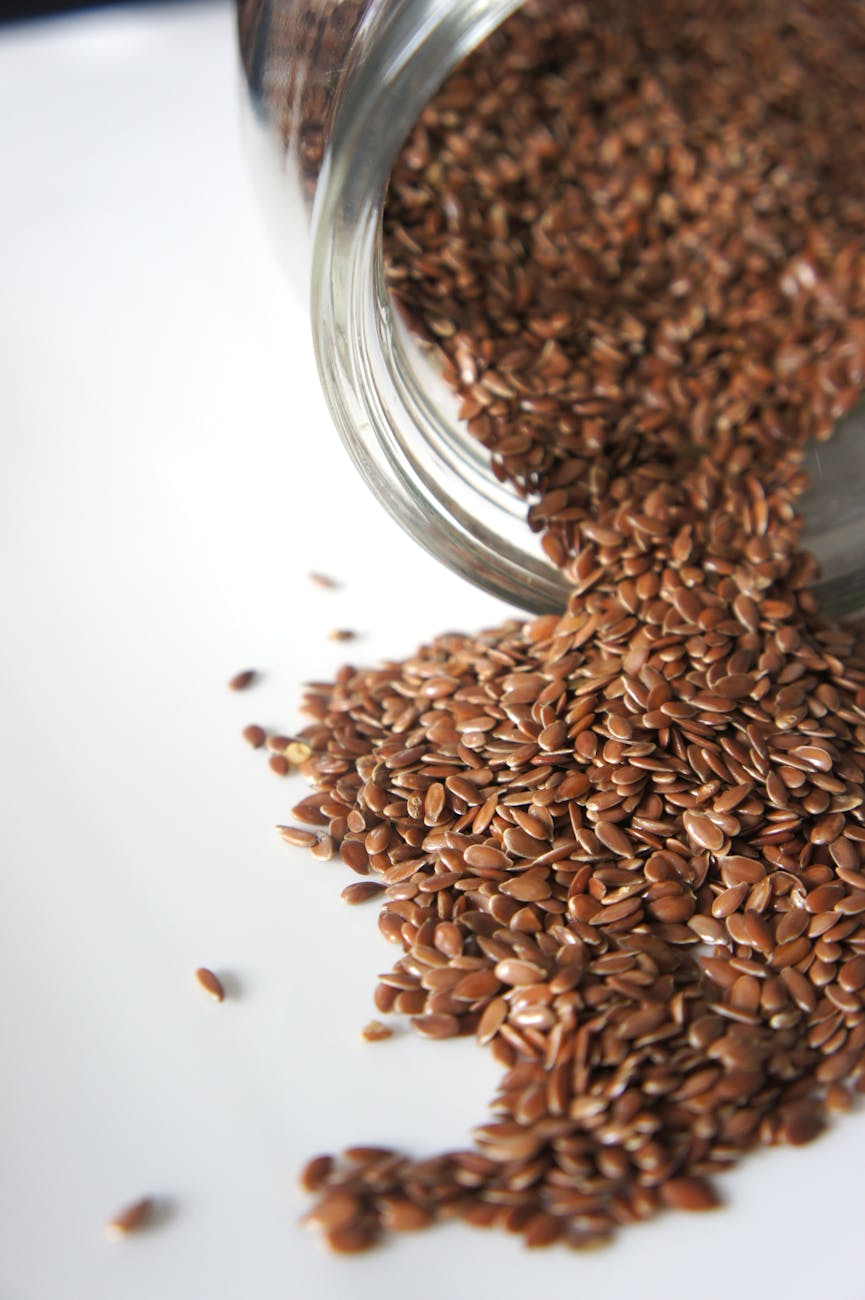
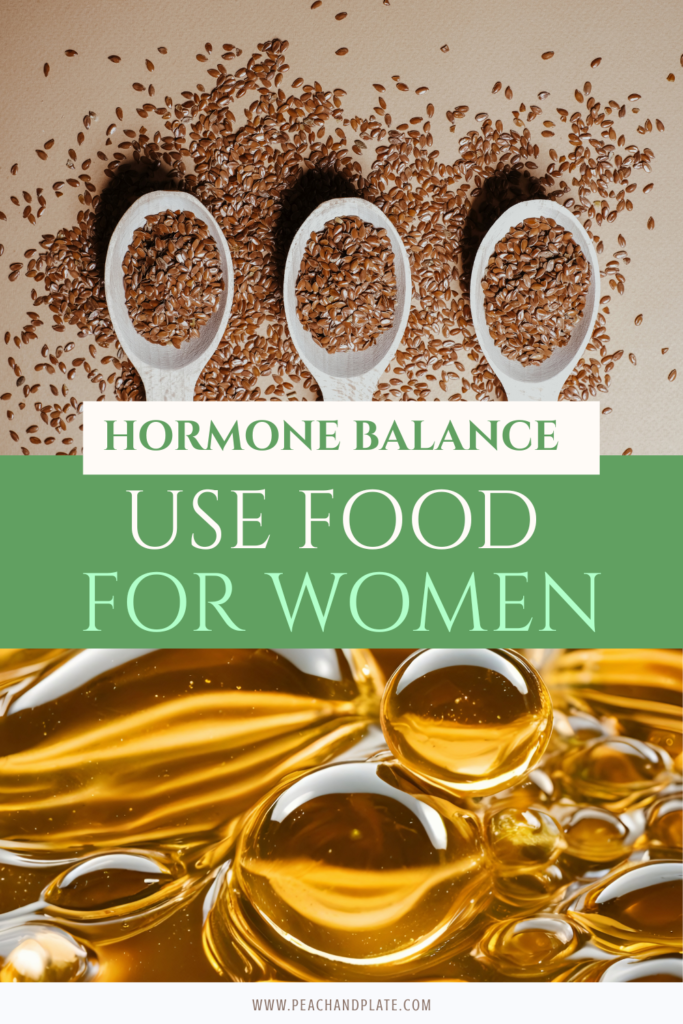
1. Ground Flaxseeds – for estrogen balance
What I eat: I’m building up to 1-2 tbsp of ground flax in oatmeal, smoothies, or sprinkled on yogurt daily. I started with 1/4 tsp and will increase slowly to avoid bloating.
Why: This is where flax gets cool. Flax contains lignans, which are a type of phytoestrogen — plant compounds that are structurally similar to human estrogen. But they’re weak estrogens.
Here’s what that actually means for your body:
If estrogen is HIGH → like during PMS, estrogen dominance, or endometriosis flares:
The lignans bind to estrogen receptors but only weakly activate them. They basically sit in the seat and block stronger, human estrogen from binding. At the same time, they help your liver package up excess estrogen for detox. It’s acting like an estrogen modulator.
If estrogen is LOW → like perimenopause, postmenopause, or post-birth control:
Those same weak phytoestrogens can provide a gentle estrogenic effect by lightly stimulating receptors that aren’t getting much action. Studies on postmenopausal women show ground flax can reduce hot flashes and support bone density for this reason.
So flax is an adaptogen for estrogen: it can help bring you back to balance, whether you’re high or low. It doesn’t just “flush estrogen” or “add estrogen” — it helps regulate.
Other reasons I use it:
- Fiber: 1 tbsp = 2g fiber to feed gut bacteria that help metabolize estrogen. If you’re constipated, estrogen recirculates.
- Omega-3s: ALA form, which is anti-inflammatory. Hormones love low inflammation.
- Blood sugar: The fiber + fat combo blunts glucose spikes, and blood sugar swings wreck hormones.
How I use it:
- You can buy whole and grind yourself to keep them fresher for longer, for convenience I bought ground (flaxseed oil doesn’t contain the lignans) then store in the fridge or freezer.
- Go slow: Too much too fast = bloating. Start at 1/4 tsp/day for a week.
- Seed cycling: Some women do 1 tbsp flax + pumpkin seeds daily in the follicular phase days 1-14 to support estrogen, then switch to sesame + sunflower in the luteal phase. I just do flax daily because it’s what I have.
- Drink water: Fiber needs water or it’ll back you up.
Some people say to be cautious when: If you have a history of estrogen-sensitive cancer, talk to your oncologist first. While most research shows flax is safe and even protective, your doctor should guide you. Same if you’re on tamoxifen or other hormone meds.
2. Cruciferous Veggies – for liver support
What I eat: Broccoli, cauliflower, Brussels sprouts, arugula, 1-2 cups daily, usually steamed with olive oil.
Why: Your liver detoxes estrogen in 2 phases. Crucifers contain sulforaphane + DIM that support phase 2. Pro tip: add mustard powder to cooked broccoli to boost sulforaphane.
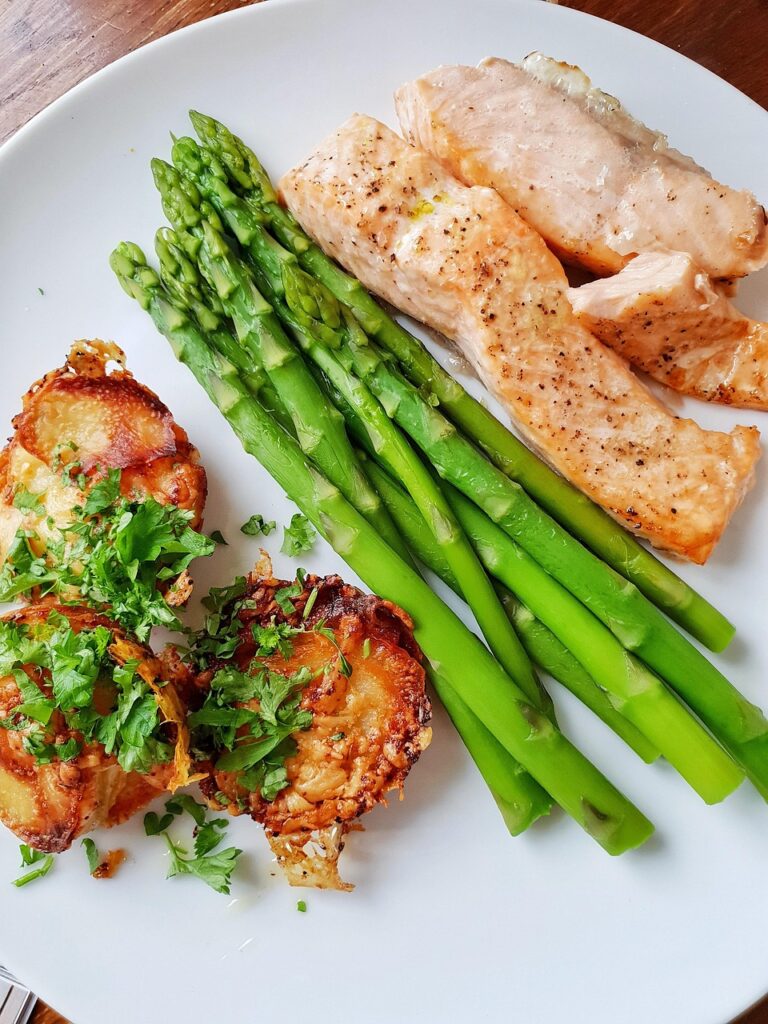
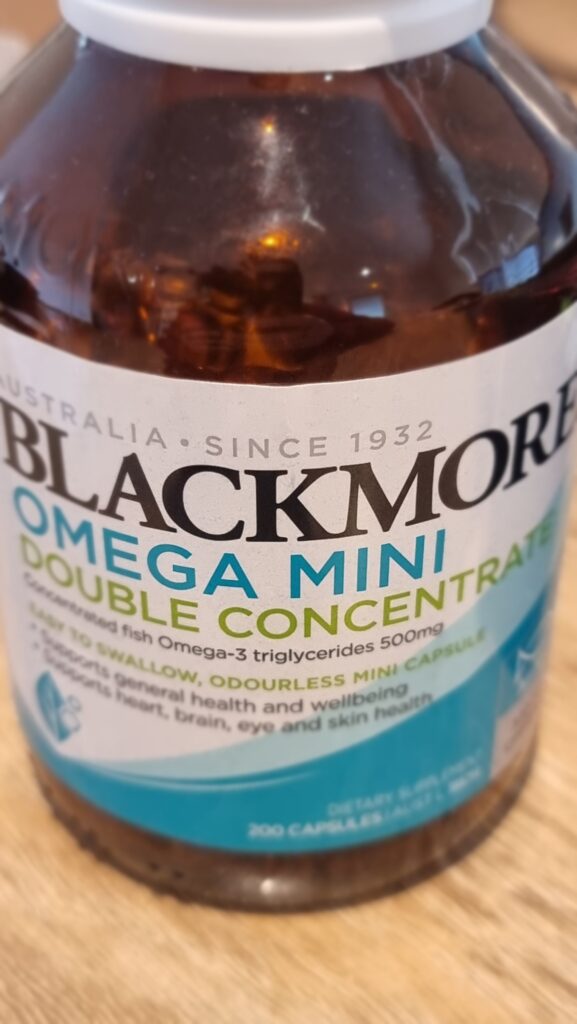
3. Wild Salmon + Sardines – for omega-3s
What I eat: 3x per week. Salmon bowl for lunch, tuna on bread when I’m lazy. Or white fish with milk and garam masala is really yummy.
Why: Omega-3s lower inflammation and are the building blocks for hormones. They also help with period pain.
4. Pumpkin Seeds + Brazil Nuts – for mineral support
What you could eat: 1 Brazil nut + 1 tbsp pumpkin seeds daily, usually with breakfast.
Why: Brazil nuts = selenium for thyroid health. Pumpkin seeds = zinc + magnesium for progesterone production. Your thyroid and ovaries are besties. If one’s off, the other feels it.
5. Berries + Cinnamon – for blood sugar
What you can eat: ½ cup blueberries + ¼ tsp Ceylon cinnamon on Greek yogurt or chia pudding.
Why: Blood sugar spikes = cortisol spikes = hormone chaos. Berries are low-glycemic + antioxidants. Cinnamon improves insulin sensitivity.
6. Quality Animal Protein – for amino acids
What you can eat: Eggs, grass-fed beef, chicken thighs. 25-30g protein per meal.
Why: You literally cannot make hormones without amino acids. Undereating protein can effect energy and cycles.
7. Organic, Fermented Soy – the most misunderstood phytoestrogen
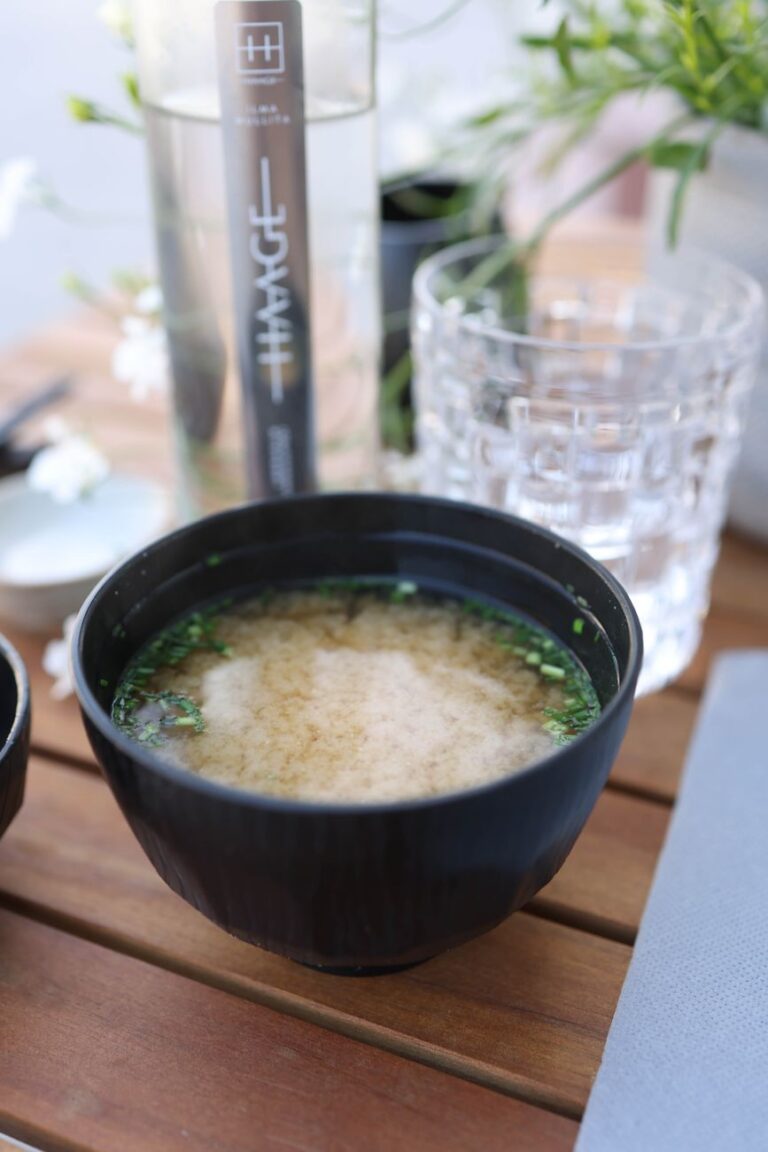
Organic tempeh, miso, natto, or edamame. I don’t drink soy milk daily or eat soy protein isolate in bars/shakes.
Why: Like flax, soy contains phytoestrogens — specifically isoflavones called genistein and daidzein. And like flax, they’re adaptogenic. They bind weakly to estrogen receptors, which means:
If estrogen is LOW → perimenopause, postpartum, post-pill:
Soy isoflavones can provide gentle estrogenic activity. This is why studies show 1-2 servings/day of traditional soy can reduce hot flashes, night sweats, and support bone density in menopausal women. Japan has some of the lowest rates of menopausal symptoms + breast cancer, and they average 30-50mg isoflavones/day from food.
If estrogen is HIGH → PMS, fibroids, endometriosis:
Those same isoflavones can compete with stronger human estrogen and have an anti-estrogenic effect. Plus, they support the enzyme that converts estrogen into “good” 2-OH metabolites vs “bad” 16-OH metabolites.
Why the confusion?
- Type matters: Traditional soy = tempeh, miso, natto, edamame, tofu. These are fermented or minimally processed, contain fiber, protein, and other nutrients.
Highly processed soy = soy protein isolate, soybean oil, “soy lecithin” in 90% of packaged foods. That’s what’s in fake meats, protein bars, and fast food. It’s not the same thing. Most negative studies use high-dose isolated isoflavones, not food. - Your gut matters: About 30-50% of people have gut bacteria that convert daidzein into equol — a super beneficial compound. If you’re an “equol producer,” soy works better for you. You can actually test this.
- Dose matters: 1-3 servings/day of whole-food soy is the sweet spot in research. That’s 10-25g soy protein or 25-50mg isoflavones. A Franken-bar with 20g soy isolate 2x/day is not the same.
Why I choose organic + fermented when I can:
- Organic: 94% of U.S. soy is GMO and sprayed with glyphosate. I avoid that for hormone health.
- Fermented: Tempeh, miso, natto = easier to digest, less phytic acid, more K2 + probiotics. Your gut + hormones will thank you. Tempeh can be quite a strong flavour, if you are also needing it to be lower FODMAP, go for firm tofu which can be lower in FODMAPs than soft tofu.
When to be cautious:
- Thyroid issues: Soy can inhibit thyroid hormone absorption if you’re iodine deficient. If you have Hashimoto’s, eat soy away from meds, ensure iodine intake, and see how you feel. Most studies show no issue with moderate intake but speak to your doctor beforehand for safety.
- Estrogen-positive breast cancer: Talk to your oncologist. Population data shows soy eaters have lower recurrence, but your case is individual.
- Soy allergy/intolerance: Obviously skip it.
My rule: If it doesn’t come as a bean, curd, or fermented block, I treat it like junk food. Edamame > soy burger. Tofu scramble > soy “chicken” nuggets.
Soy isn’t poison and it isn’t magic. It’s a tool. If you tolerate it, 1 small serving/day can be helpful for hormone balance, especially in your 40s+. If you don’t, flax + crucifers cover a lot of the same bases.
What I avoid 80% of the time
I’m not perfect, but limiting these things can help by avoiding: seed oils, added sugar, alcohol in the luteal phase, and caffeine on an empty stomach.
Hormone-friendly day looks like
Breakfast: Eggs + sourdough + arugula + pumpkin seeds + 1 Brazil nut
Lunch: Salmon bowl: quinoa, roasted broccoli, avocado, olive oil, lemon
Snack: Greek yogurt + berries + ground flax + cinnamon
Dinner: Chicken thighs + roasted Brussels + sweet potato
Important: This is what I’m trying, though I’m not able to do all this at the moment I have focused on flaxseed, miso soup, fish oil, and including more fish in general for my body. Hormones are personal. If you have PCOS, endometriosis, or thyroid issues, your food list might look different. Work with a practitioner for testing.
But if you’re overwhelmed, start here: protein + produce + healthy fats at every meal. Consistency > perfection.
Disclaimer: I’m not a medical professional. This is for educational purposes only. Talk to your doctor before making dietary changes, especially if you have a medical condition.