Swede and Parsnip Mash: A Simple, Nourishing Root Vegetable Side Dish
There’s something deeply comforting about a bowl of mashed root vegetables on a quiet evening. This swede and parsnip mash is one of those recipes that barely needs a recipe at all — just two humble vegetables, a little butter, a splash of milk, and a pinch of salt. It’s the kind of slow, unhurried cooking that feels good in your hands and even better on the table.
This post may contain affiliate links and is not intended as medical advice. For more information please see our disclaimer.
What You’ll Need
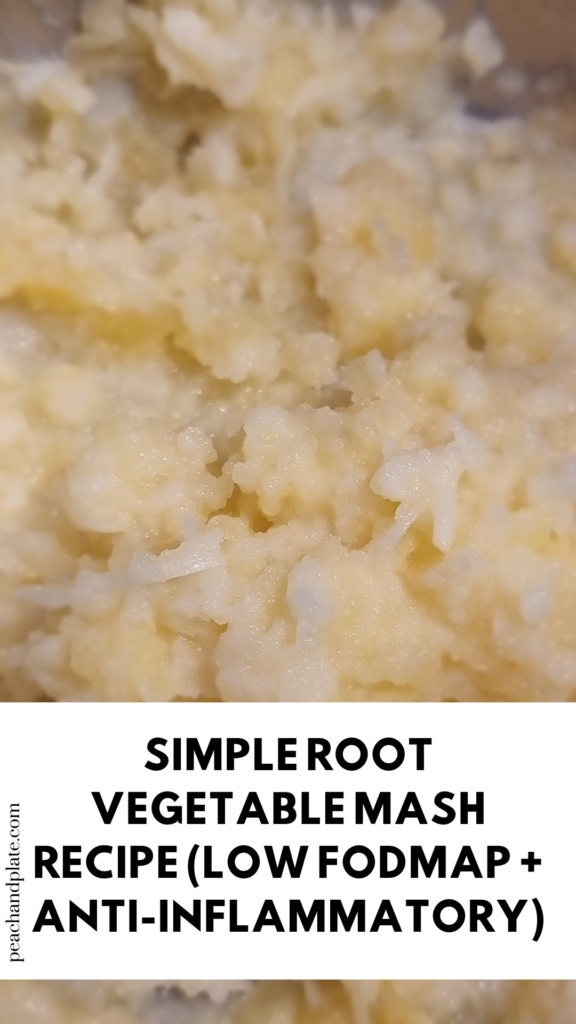
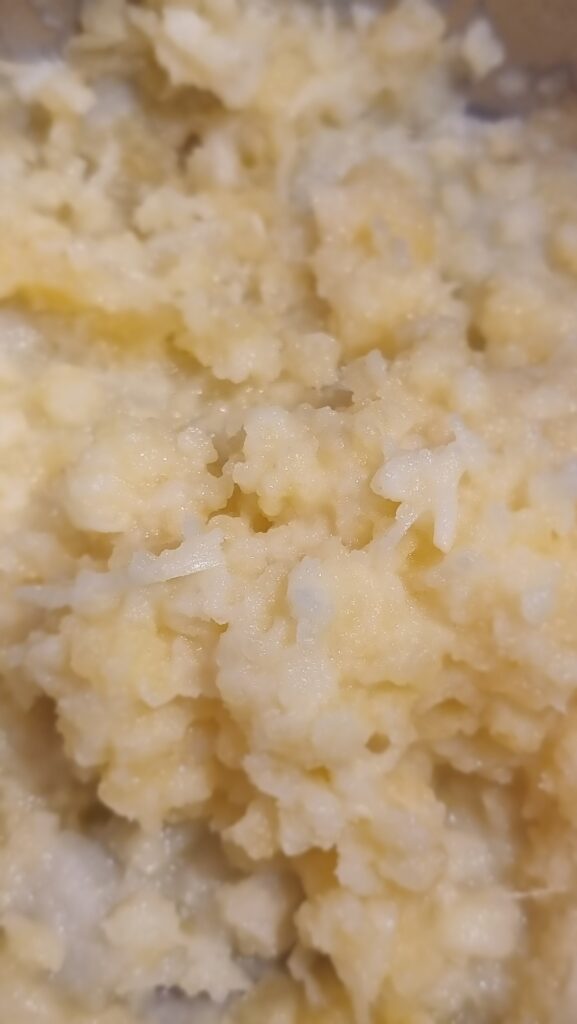
This recipe uses just one swede and one parsnip — simple, seasonal, and easy to find. Peel and chop both into even chunks, then simmer in lightly salted water until completely tender (around 20–25 minutes). Drain well, then mash with a small knob of butter, a little milk, and salt to taste. That’s genuinely it.
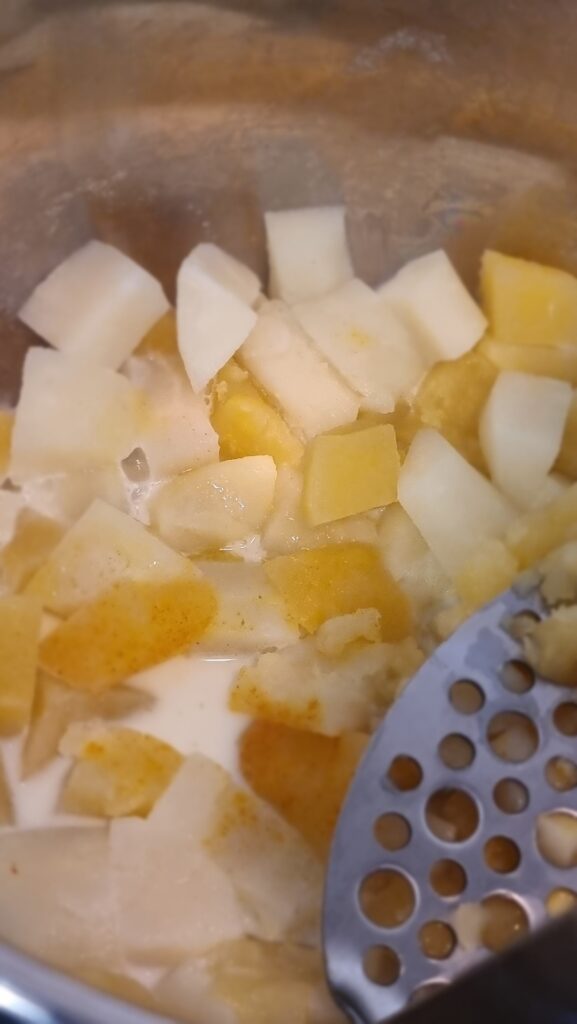
The key is draining really thoroughly before mashing — waterlogged vegetables make for a watery mash. Give them a minute or two back in the warm pot to steam off any excess moisture before you add the butter.
Is It Low FODMAP?
Good news if you’re following a low FODMAP diet: parsnip is low FODMAP in standard serving sizes. Swede (also called rutabaga) is also generally considered low FODMAP and is a great alternative to higher-FODMAP vegetables. This mash uses no garlic, no onion, and no cream — just simple low FODMAP vegetables with butter and a little lactose-free milk if needed. It’s a genuinely safe and satisfying option for sensitive tummies. I did add a little turmeric and black pepper afterwards but that’s up to you.
Is It Anti-Inflammatory?
Both swede and parsnip are worth celebrating from a nutritional standpoint. Parsnips are rich in vitamin C, folate, and antioxidants, while swede contains glucosinolates — compounds found in cruciferous vegetables that are associated with anti-inflammatory benefits. Neither vegetable is processed, neither is high in sugar, and the dish as a whole is free from inflammatory oils or additives. It’s not a superfood smoothie, but it’s honest, whole-food cooking that sits very comfortably in an anti-inflammatory way of eating.
Ways to Serve It
This root vegetable mash works beautifully as a side dish alongside slow-cooked meats, a simple roast chicken, or even just with a generous pour of gravy. It would also be lovely alongside a warming sausage casserole or shepherd’s pie in place of potato mash.
If you want to dress it up a little, a drizzle of good olive oil and a crack of black pepper on top goes a long way. Fresh thyme or flat-leaf parsley scattered over also makes it feel quite special for something so simple.
A Note on Root Vegetable Mash Recipes
Swede and parsnip are a slightly underrated pairing — the sweetness of the parsnip balances the earthy, slightly peppery flavour of the swede beautifully. If you want to experiment, carrot and parsnip mash is another popular variation (and searches well on Pinterest), or you could add a small amount of potato to make it creamier and more filling.
Root vegetable mash recipes like this one are the kind of quiet, nourishing cooking that never goes out of style.