Low Histamine Foods List: What to Eat When Your Body Reacts to Everything
Navigating the world of food can be especially challenging for those with histamine intolerance. A low histamine foods list serves as a vital resource, helping individuals identify safe options when their bodies react adversely to many common ingredients.
This post may contain affiliate links and is not intended as medical advice. For more information please see our disclaimer.

Histamine is a compound involved in immune responses, but for some, consuming foods high in histamine can lead to uncomfortable symptoms like headaches, rashes, and gastrointestinal distress. By focusing on a curated list of low histamine foods, people can enjoy a diverse diet while minimizing adverse reactions, ultimately leading to improved well-being and quality of life.
1. Understanding Histamine and Its Effects
Histamine is a natural compound involved in your immune and digestive systems, but problems arise when your body cannot break it down fast enough. For those with histamine intolerance, eating foods high in this compound can cause a rapid overflow, leading to headaches, rashes, and digestive pain. Levels can also change drastically depending on how ripe a food is or how it was prepared.
- Tip: Focus on how foods are handled, as even a safe ingredient can become high-histamine if left in the fridge too long.
2. Categorizing Low Histamine Foods
Building a safe menu means separating foods into clear groups based on how fast they accumulate biogenic amines. Your daily meals should center around exceptionally fresh fruits and vegetables, flash-frozen proteins, and non-fermented grains. Keeping a systematic list ensures you maintain a balanced, nutrient-dense diet without triggering a flare-up.
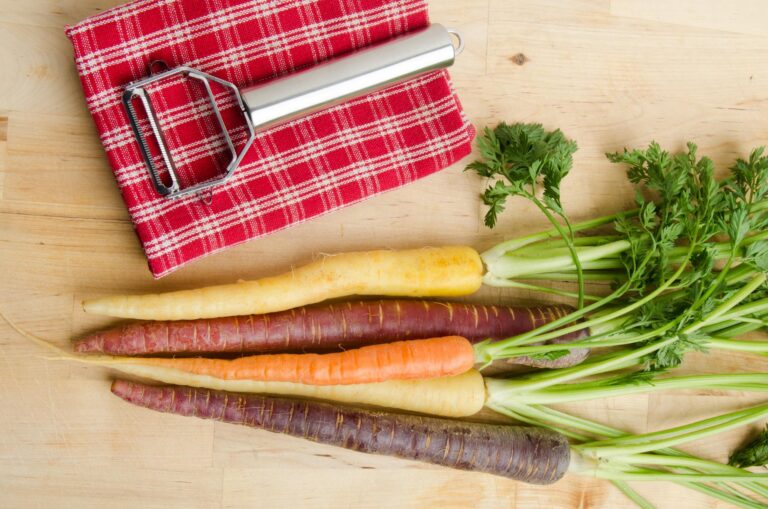
- Tip: Prioritize fresh-picked produce like carrots, zucchini, apples, and pears, alongside fresh-caught un-aged poultry and fish.
3. Incorporating Low Histamine Foods into Your Meals
Shifting to a low-histamine lifestyle is much easier when you plan ahead. Focus on simple, clean cooking methods like steaming, boiling, or baking, which keep histamine levels low. Avoid slow cookers or long braises, as the extended cooking times allow histamine to build up.
- Tip: Map out a simple weekly shopping list filled with quick-cooking proteins and fresh vegetables to keep your kitchen stress-free.
4. Monitoring Your Body’s Reactions
Because everyone’s gut health and enzyme levels are unique, personal tolerance can vary. Keeping a daily food diary is the best way to uncover hidden triggers that might not be obvious at first glance. Tracking your symptoms helps you customize the generic lists to fit your specific body.
- Tip: Log everything you eat alongside any physical symptoms, and review your notes at the end of each week to find your personal baseline.
5. Seeking Professional Guidance
Navigating chronic food reactivity can feel incredibly isolating and overwhelming. Partnering with a registered dietitian who specializes in histamine intolerance and gut health ensures you stay safely nourished. A professional can help expand your food list so you do not restrict your diet more than necessary.
- Tip: Discuss any nutritional concerns or vitamin deficiencies with your practitioner to build a sustainable, long-term healing plan.
By following these steps, you can create a sustainable low histamine foods list that empowers you to enjoy meals without fear of adverse reactions. Embracing this approach can lead to a more comfortable and fulfilling eating experience.
Here’s a full list of low histamine foods to trial:
When managing histamine intolerance, the golden rule is freshness. Because bacteria create histamine as food ages, fresh or flash-frozen items are naturally the lowest in histamine.
The following list is compiled based on medical guidance from standard clinical elimination protocols and the Swiss Interest Group Histamine Intolerance (SIGHI).
🥩 Fresh Proteins
- Fresh Poultry: Chicken, turkey, and quail (must be cooked fresh or frozen immediately).
- Fresh Meat: Packaged, un-aged cuts of beef, pork, lamb, and veal.
- Fresh or Flash-Frozen Fish: White fish (like cod, trout, and hake) caught and frozen immediately at sea.
- Fresh Eggs: Whole fresh eggs are well-tolerated (though some highly sensitive individuals limit raw egg whites).
- Strictly Avoid: Aged steaks, deli slices, salami, pepperoni, bacon, sausages, and canned fish like tuna.
🥦 Fresh Vegetables
- Cruciferous: Broccoli, cauliflower, cabbage (green, red, and Napa), and Brussels sprouts.
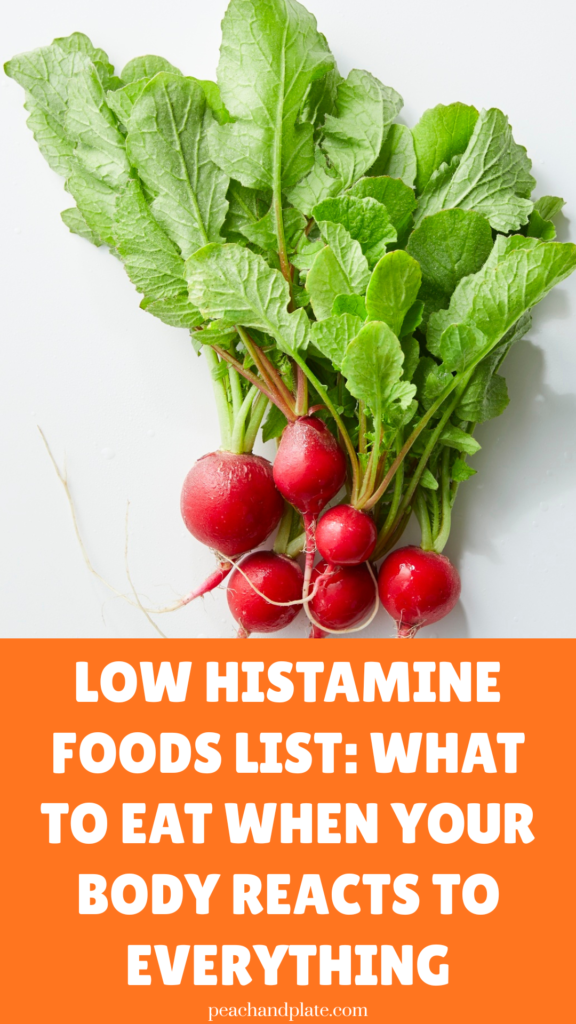
- Root Vegetables: Carrots, sweet potatoes, parsnips, radishes, and beets.
- Gourd & Squash: Zucchini, summer squash, butternut squash, and cucumbers.
- Greens: Iceberg lettuce, romaine, butter lettuce, kale, and arugula.
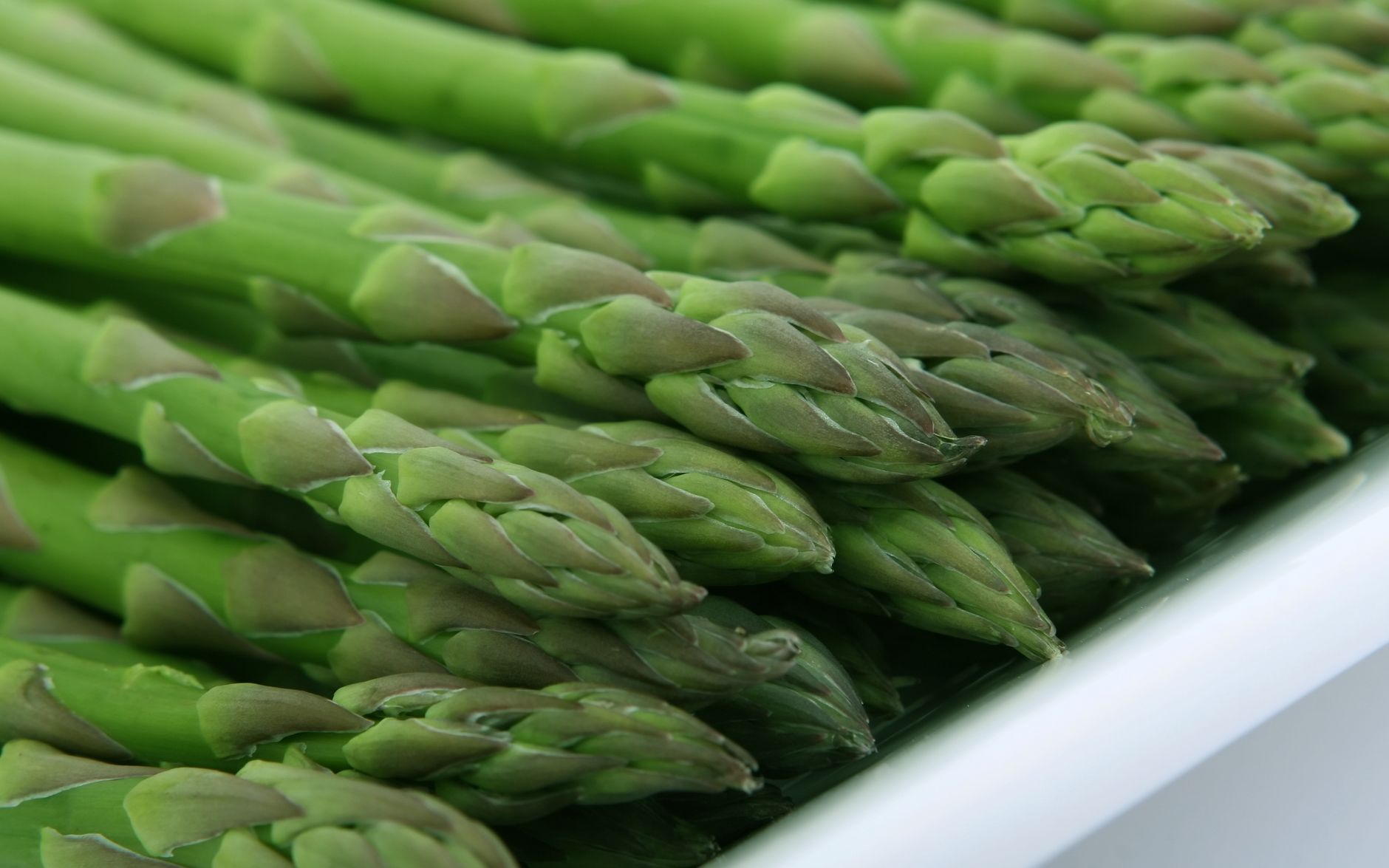
- Alliums & Aromatics: Onions, garlic, celery, and asparagus.
- Strictly Avoid: Tomatoes, spinach, eggplant, avocado, mushrooms, and anything pickled or fermented like sauerkraut.
🍎 Non-Citrus Fruits
- Core Fruits: Apples and pears.
- Stone Fruits: Peaches, nectarines, apricots, and mangoes.
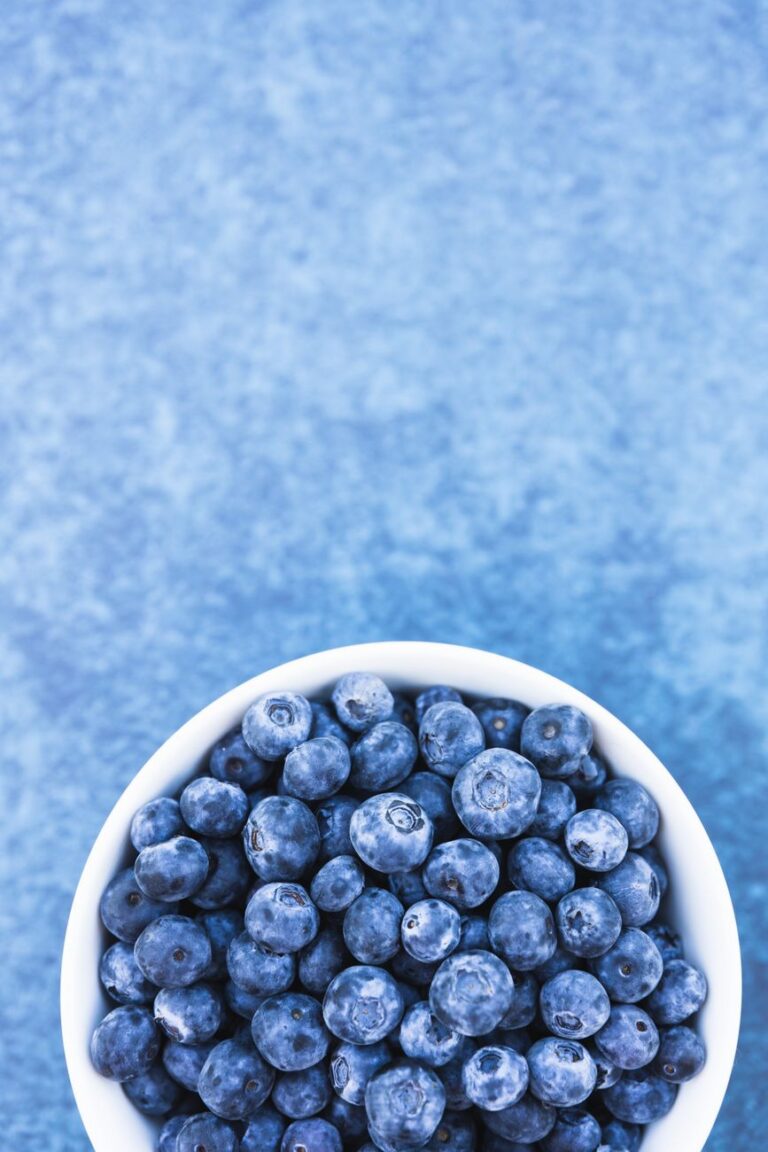
- Berries & Melons: Blueberries, blackberries, watermelon, cantaloupe, and honeydew melon.
- Strictly Avoid: Oranges, lemons, limes, grapefruit, strawberries, raspberries, bananas, pineapples, and papayas.
🌾 Grains & Starches
- Safe Grains: White rice, brown rice, quinoa, millet, buckwheat, and tapioca.
- Oats: Pure rolled oats or steel-cut oats are generally well-tolerated.
- Tubers: White potatoes and sweet potatoes.
- Strictly Avoid: All wheat-based products (as wheat acts as a histamine liberator in the body) and any breads or baked goods made with baker’s yeast.
🧀 Dairy & Dairy Alternatives
- Fresh Cheeses: Ricotta, cottage cheese, mascarpone, cream cheese, and fresh mozzarella.
- Milks: Fresh pasteurised cow’s milk, goat’s milk, and sheep’s milk.
- Plant Milks: Unsweetened coconut milk, almond milk, rice milk, and oat milk.
- Strictly Avoid: Aged cheeses (parmesan, cheddar, gouda, blue cheese), yogurt, kefir, and sour cream.
🫒 Fats, Oils, & Condiments
- Safe Cooking Oils: Extra virgin olive oil and coconut oil (pure canola or sunflower oil for highly reactive individuals).
- Flavoring & Sweeteners: Salt, fresh herbs (basil, parsley, oregano, rosemary), spices (ginger, turmeric), honey, maple syrup, stevia, and coconut sugar.
- Avoid: Soy sauce, fermented vinegars (use distilled white or small amounts of apple cider vinegar instead), and cocoa.
☕ Hydration & Drinks
- Water: Still or sparkling mineral water.
- Herbal Teas: Chamomile, peppermint, and rooibos tea.
- Strictly Avoid: Alcohol (wine, beer, liquor), kombucha, energy drinks, and heavily caffeinated black or green teas.
💡 Crucial Histamine Kitchen Hacks
- Freeze Leftovers Immediately: Histamine levels climb rapidly in the fridge. Freeze leftovers right away and thaw them quickly when ready to eat.
- Avoid Slow Cookers: Long, low-temperature cooking styles give bacteria too much time to build histamine. Opt for fast cooking like flash-frying, boiling, or baking instead.
Save on Pinterest!